Fly Focus: The Bad Hair Day
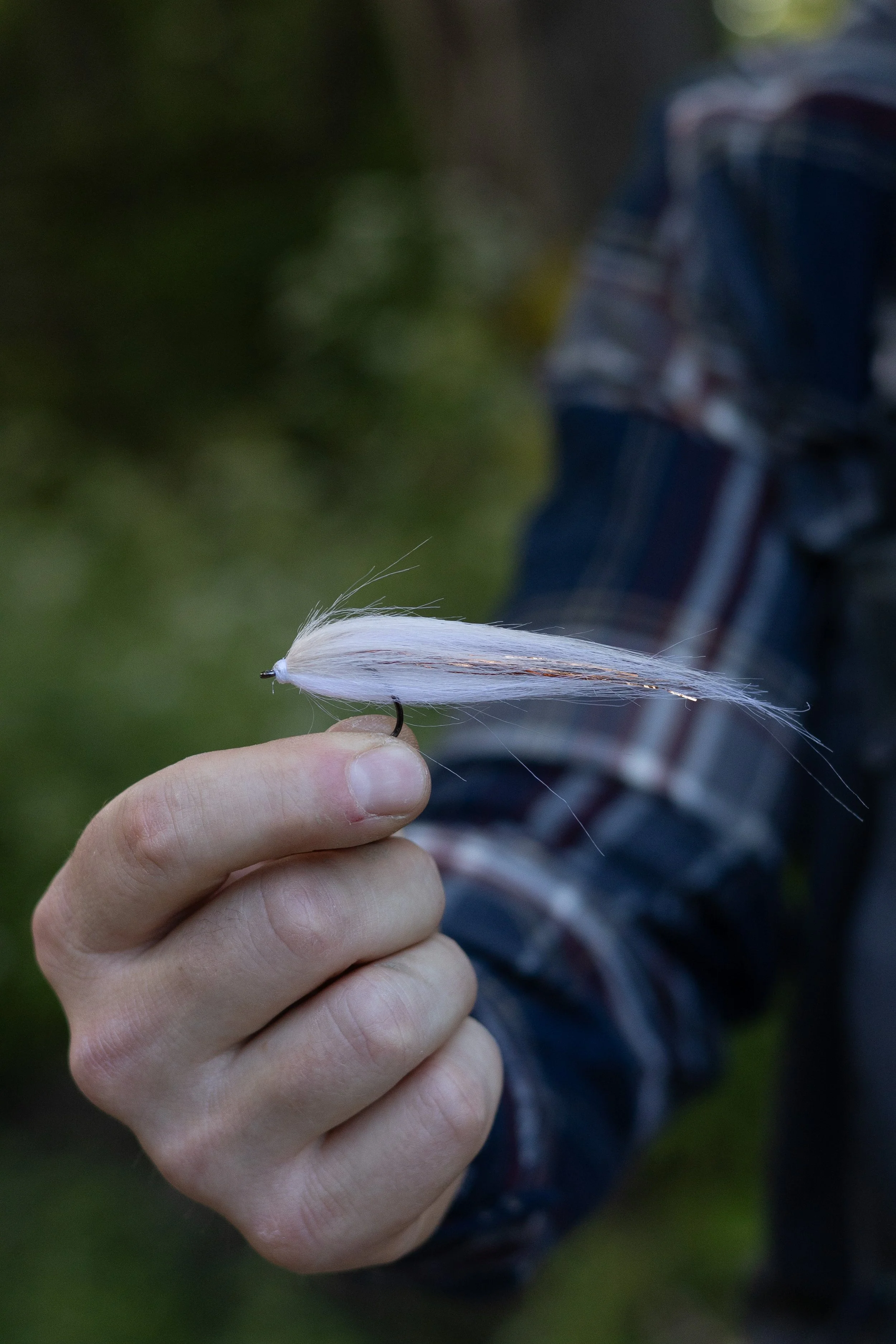
Simplicity tends to be the exception in modern streamer fishing, where articulated flies sporting multiple hooks dominate the landscape. While these flashy, complex offerings garner most of our attention, there are some basic patterns that offer a great deal of value to anglers – and they still fool plenty of fish. One such pattern is the Bad Hair Day.
Designed by Wisconsin guide Dave Pinczkowski, the Bad Hair Day has become a stalwart pattern in the boxes of many Great Lakes fly anglers for both its effectiveness and its simplicity. With a recipe requiring only a few steps, tiers can bang out half-a-dozen BHD’s in the time it takes to complete one of the more involved streamer patterns we commonly see in warmwater fly fishing. Jerry Darkes, a long-time Great Lakes fly fishing expert and close friend of mine, turned me on to this pattern over the course of a few seasons when I watched him consistently slay fish with it in multiple fisheries.
It’s constructed almost exclusively of Hareline’s Extra Select Craft Fur with a tail tied in behind three reverse-tied stacks of increasing density and flair on a single streamer hook. A little flash can be incorporated by adding Angel Hair or Kreelex to each stack of fur. Wide gap streamer hooks like the Gamakatsu B10S and the Ahrex TP610 are great options in sizes 1 and 2, as they position the hook point near the center of the fly and allow it to extend down past the belly of the completed fly. I also tie them on the Ahrex Universal Curve hook in size 2 - especially when fishing for smallmouth bass, which inhale the entire fly.
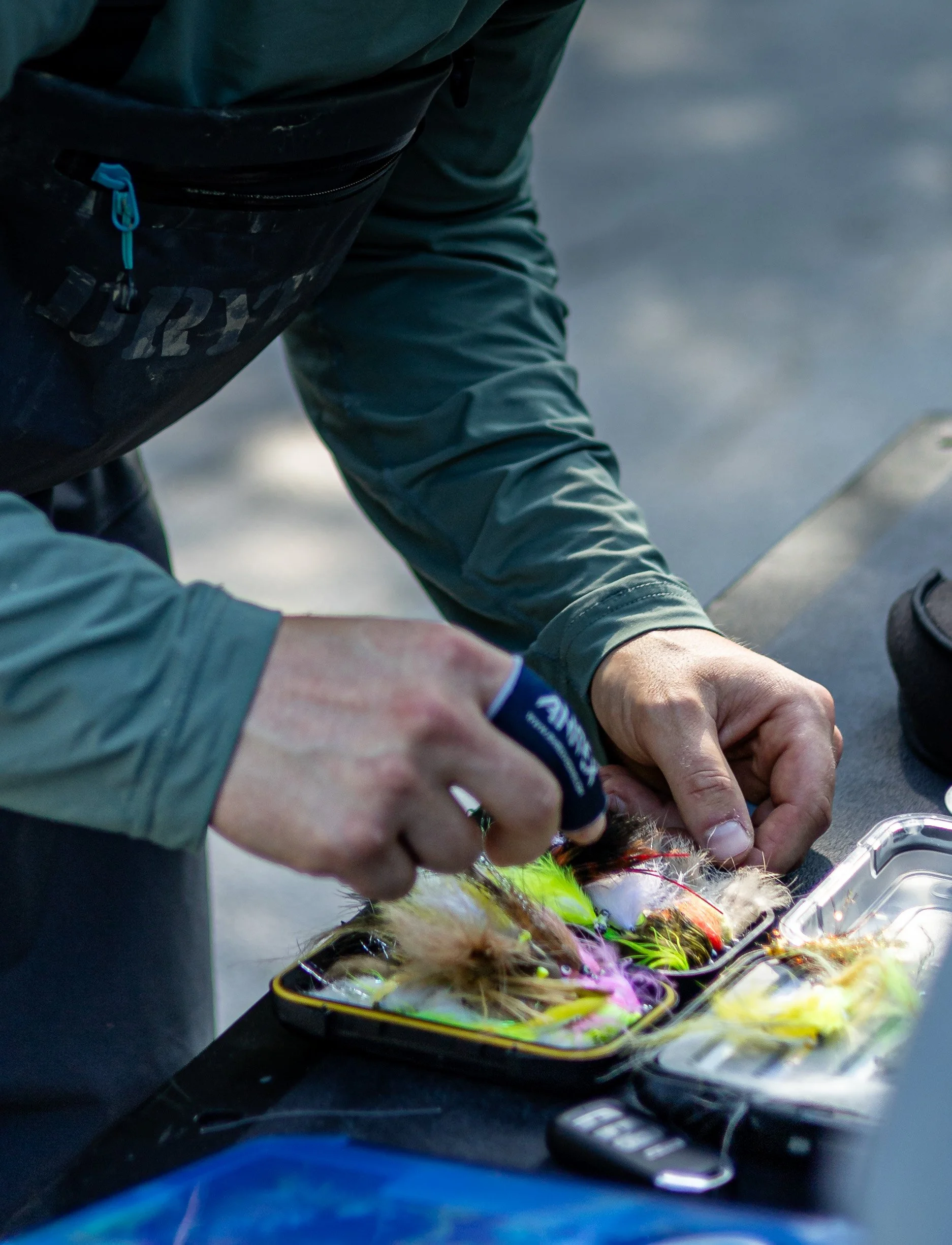
A minimal investment of time and materials when tying the BHD means anglers can fish them ultra-aggressively, casting them into structure without fearing their loss. It also means anglers can whip up a variety of colors in short order to cover their bases in a variety of water conditions.
This 3-inch baitfish imitator is versatile in how it can be fished and its propensity to attract eaters of many species, making it a powerful tool in regions like the Great Lakes where prolific predators of many species share water. With a tear drop profile, its craft fur tail undulates and kicks in current, functioning as an excellent swim fly with movement resembling albeit not quite matching that of a feather game changer. This action is most pronounced in currents of slow and moderate speeds as well as in still water. It also, however, boasts some jerk fly characteristics with a subtle side-to-side wobble when stripped and paused on a slack line. This dual-action lets anglers attack a wide variety of on-water environments – a huge plus for wade anglers with limited cargo space.
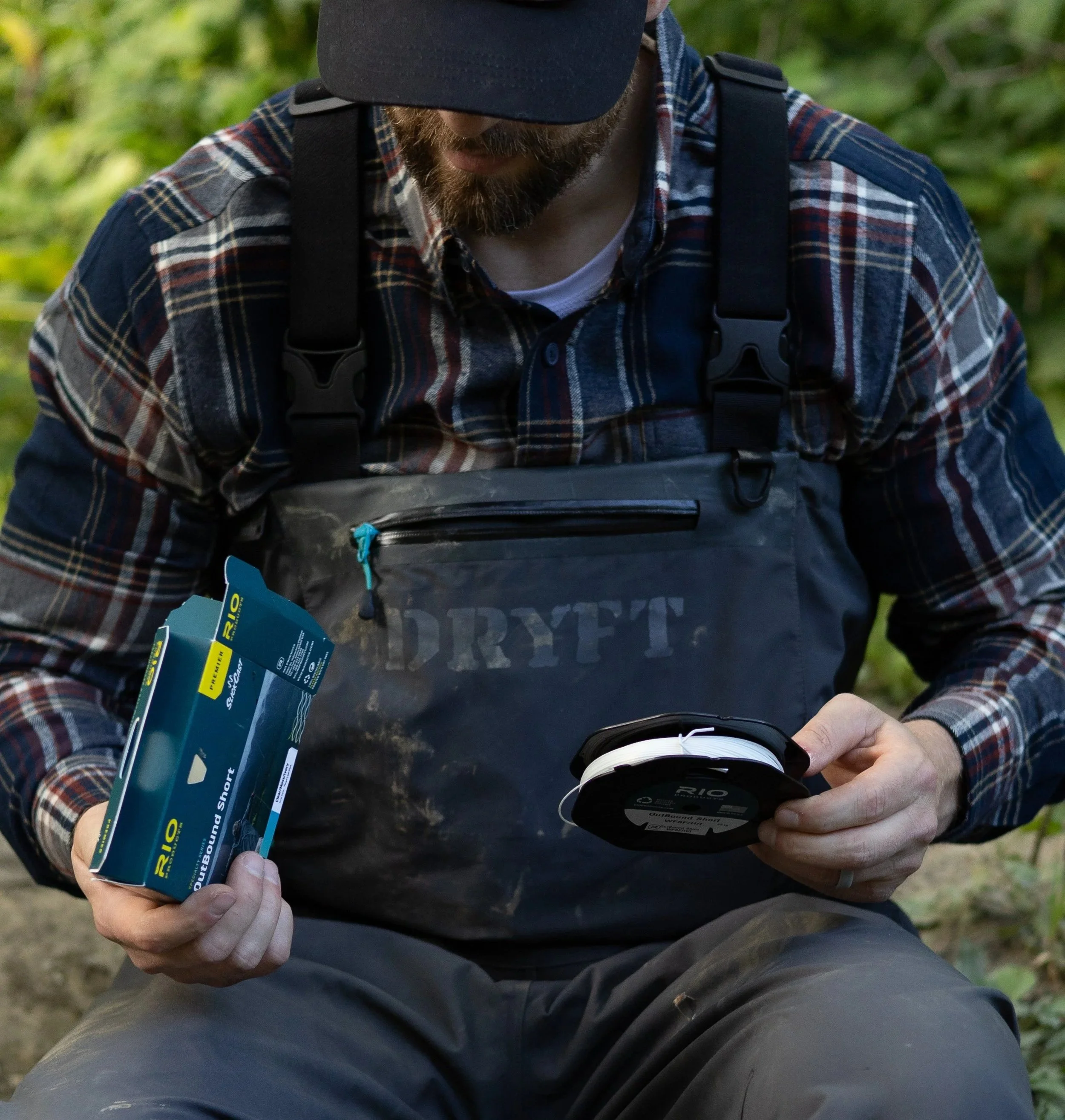
While weight can be added to the BHD, it performs incredibly well in a variety of settings when fished unweighted on sinking lines of various densities. RIO’s slow-sinking offerings like the Premier Outbound Short in the float, hover, intermediate configuration allow anglers to twitch and dance the fly slowly in still water above weeds and submerged wood, incorporating long pauses. The same lines can be used in rivers to strip or swing through juicy runs or slash it like a jerk bait along current seams and eddies – a positively deadly tactic for drawing the attention of nearby predators. When more depth is required, fast-sinking lines like the RIO Elite Warmwater Predator are excellent options.
Tying in a second color for the final stack of craft fur adds contrast to the fly – an important consideration in many conditions. Chartreuse over white or olive are hard color schemes to beat, but many combinations can work depending on water color. If you haven’t already done so, I’d highly encourage you to add the BHD to your arsenal. Its versatility may secure for it a permanent spot in your multi-species streamer box.