FLIES AND FLY TYING
EXPLORE
INSTRUCTION
Fly Tying
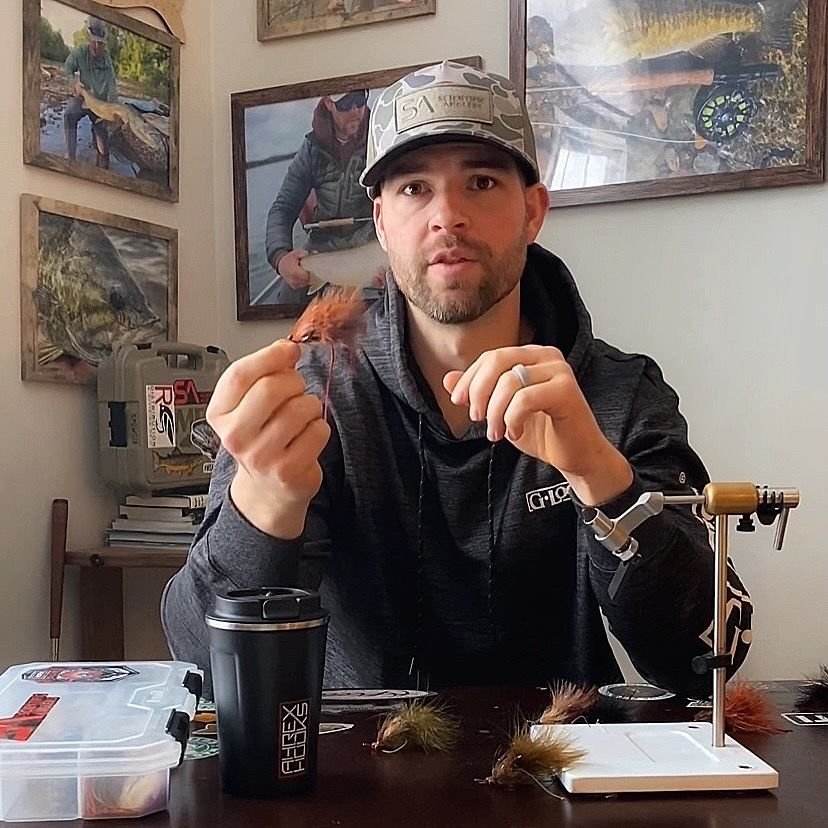
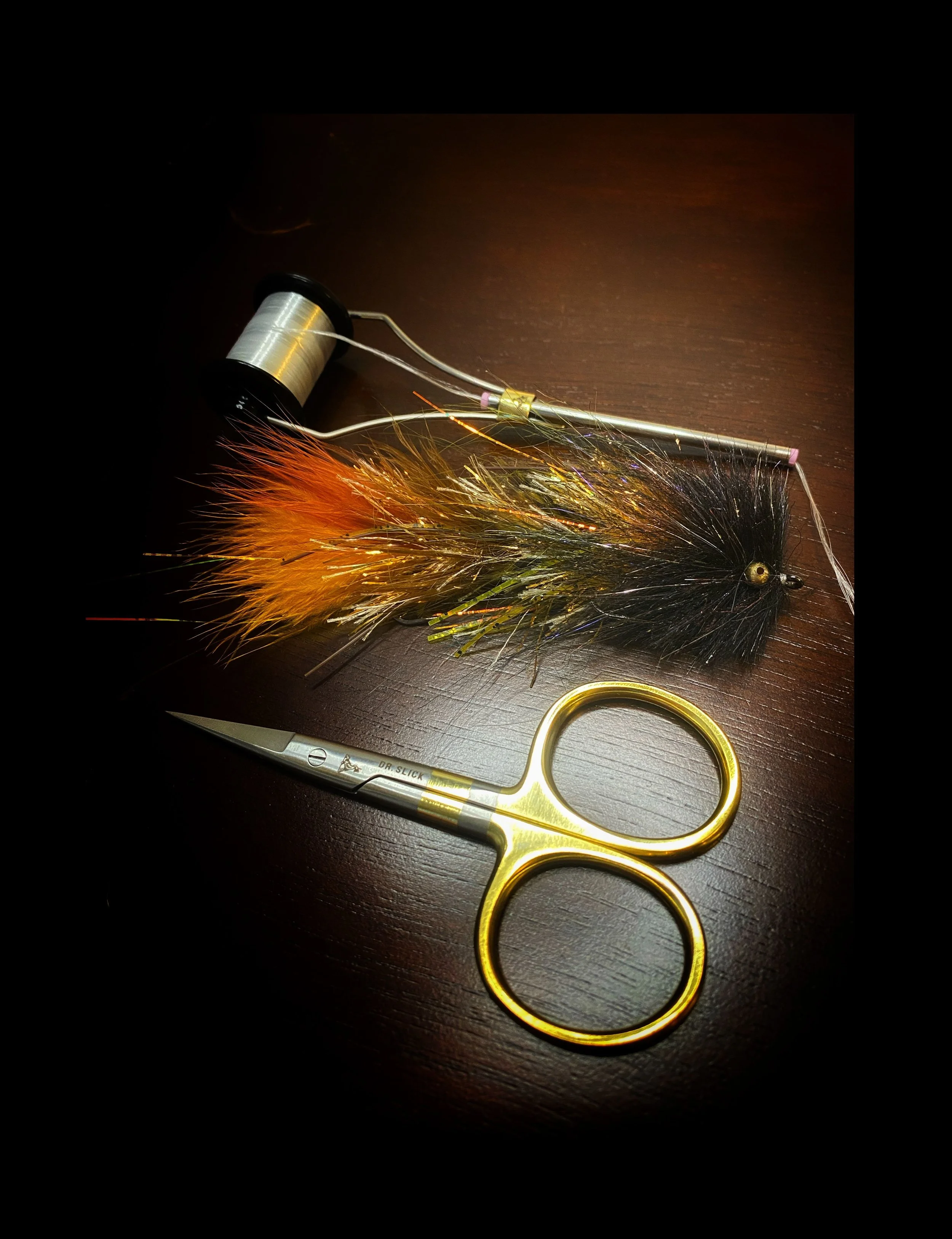
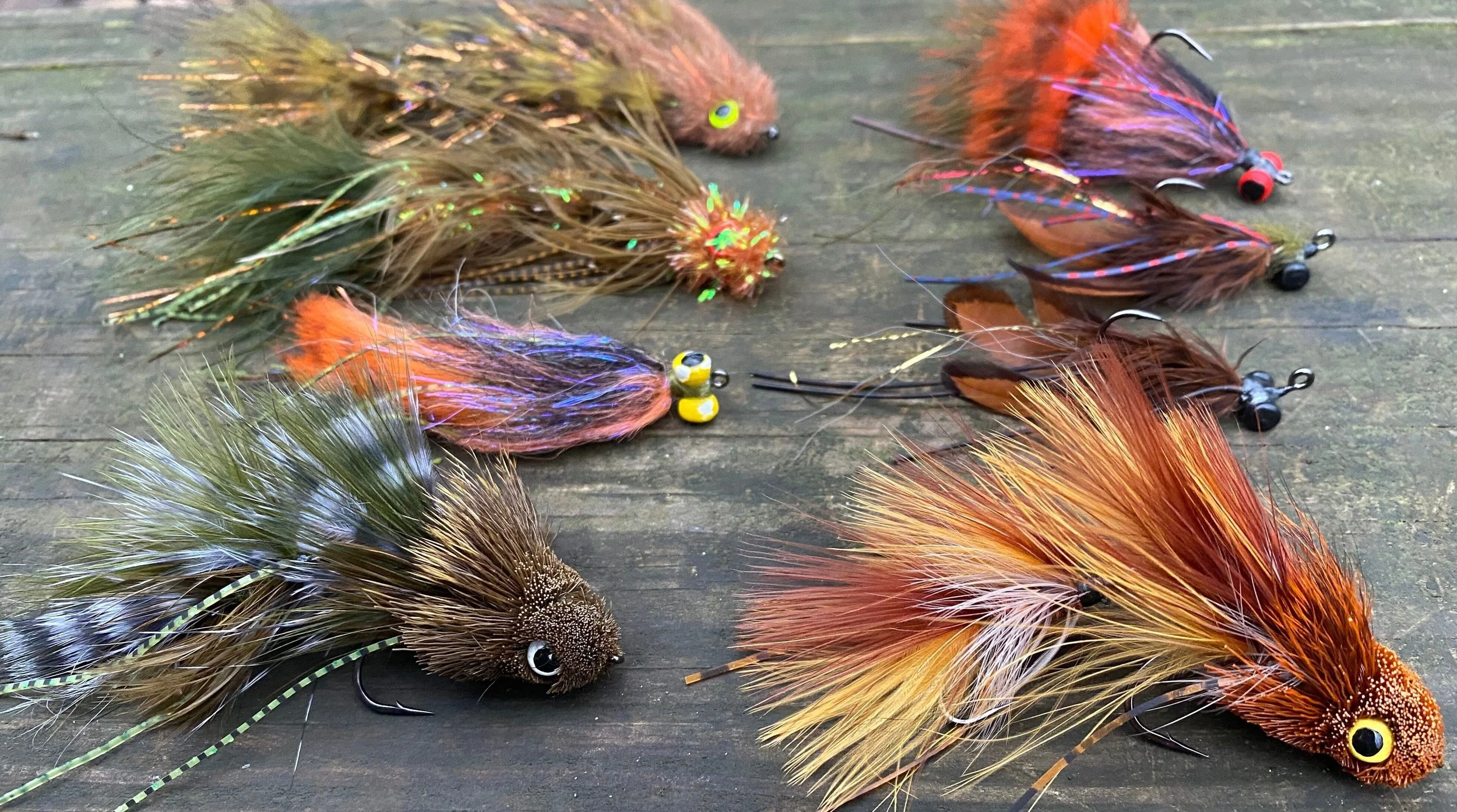
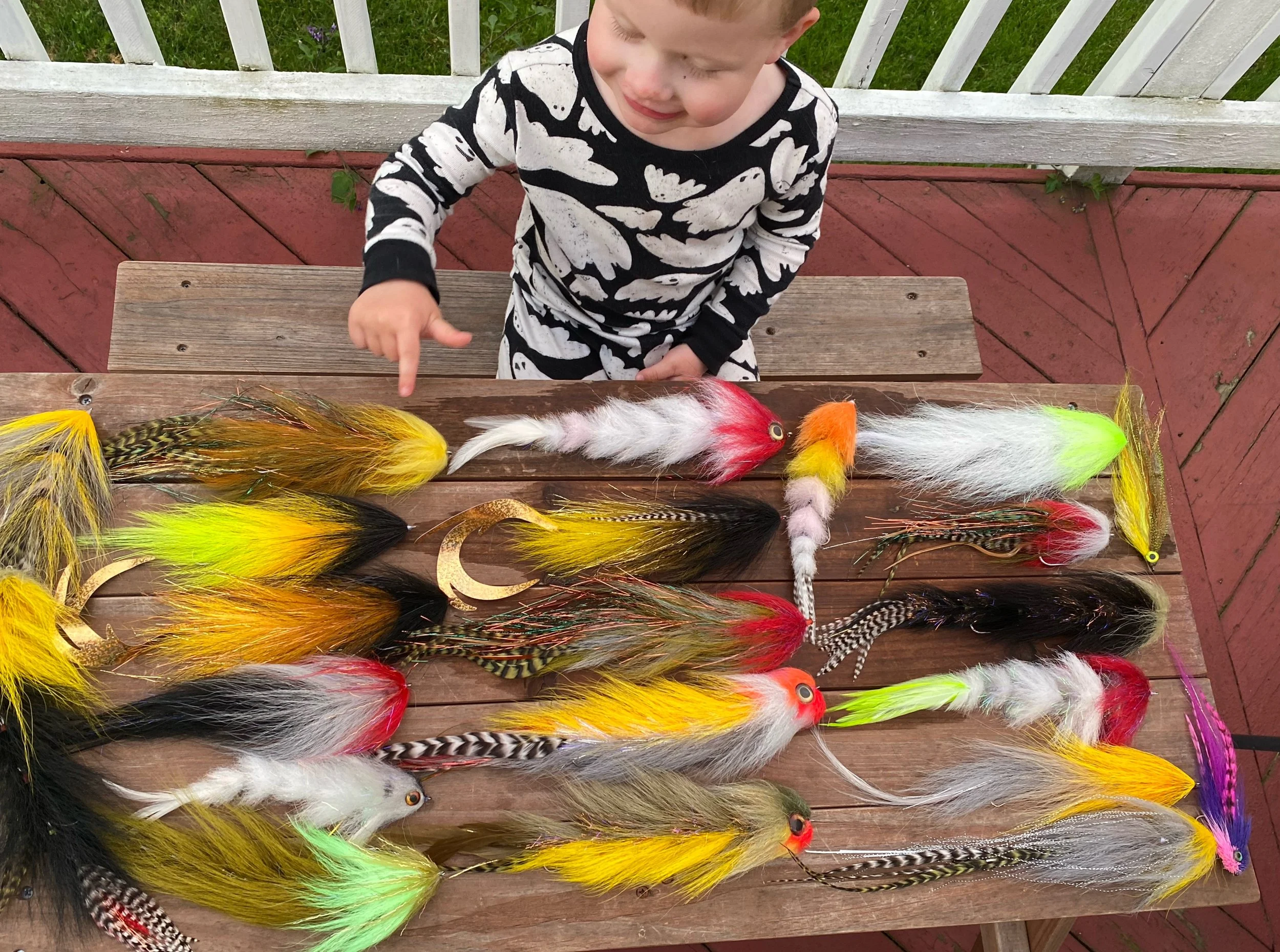
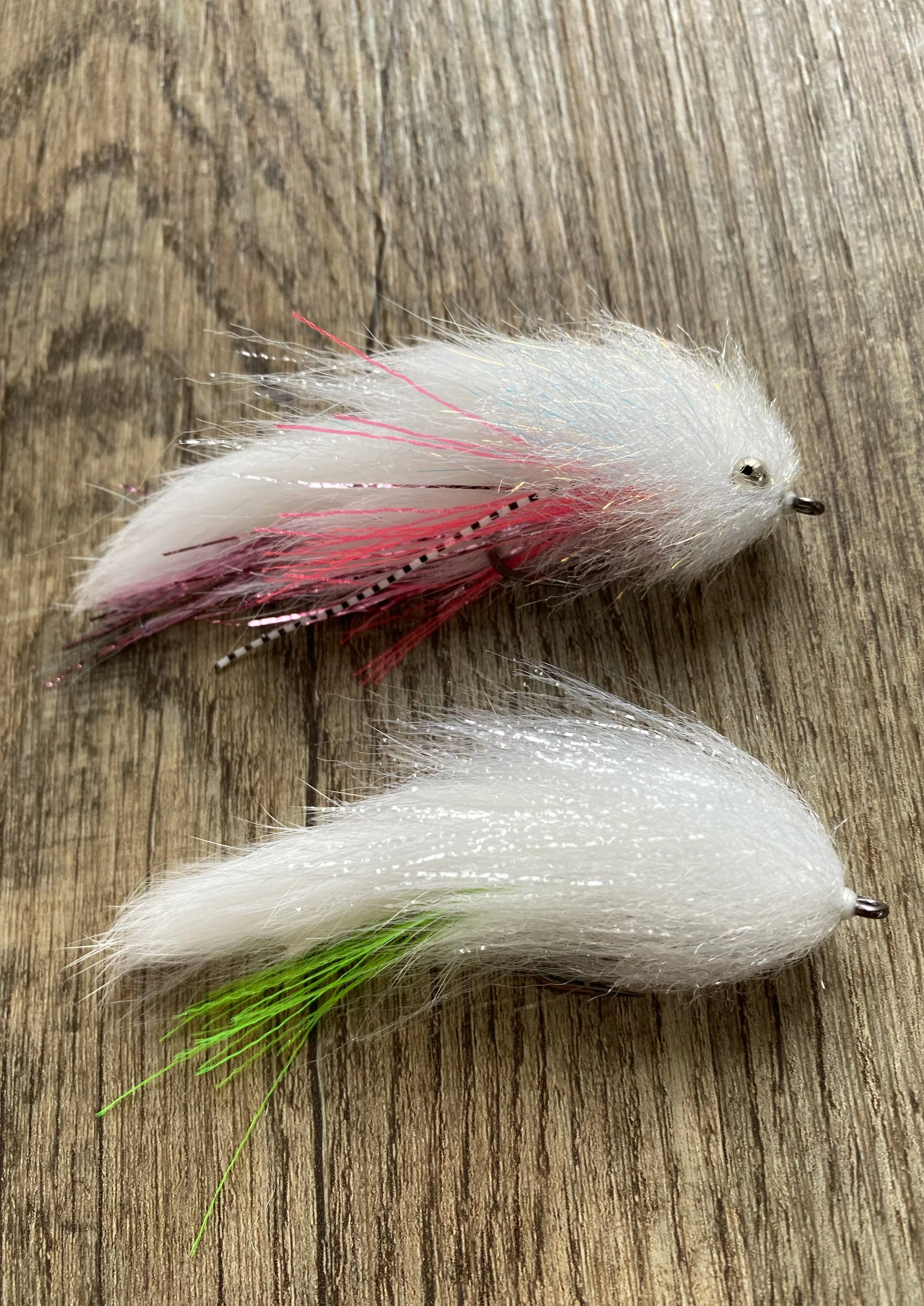
Tying our own flies unlocks endless possibilities to create the perfect patterns for our waters. It’s also a fun and engaging way to stay connected to the sport when fishing isn’t an option. Over the years I’ve tied flies for just about every freshwater species imaginable. I’m also a proud member of the Peak Fishing Pro Team and Dr. Slick Pro Staff.
Try an hour-long virtual or in-person tying session and improve your skills and understanding of the craft. Sessions are built around your goals - we can work on specific patterns or start from scratch.
*Small, custom orders of flies are also available upon request. Please reach out for more detailed information.
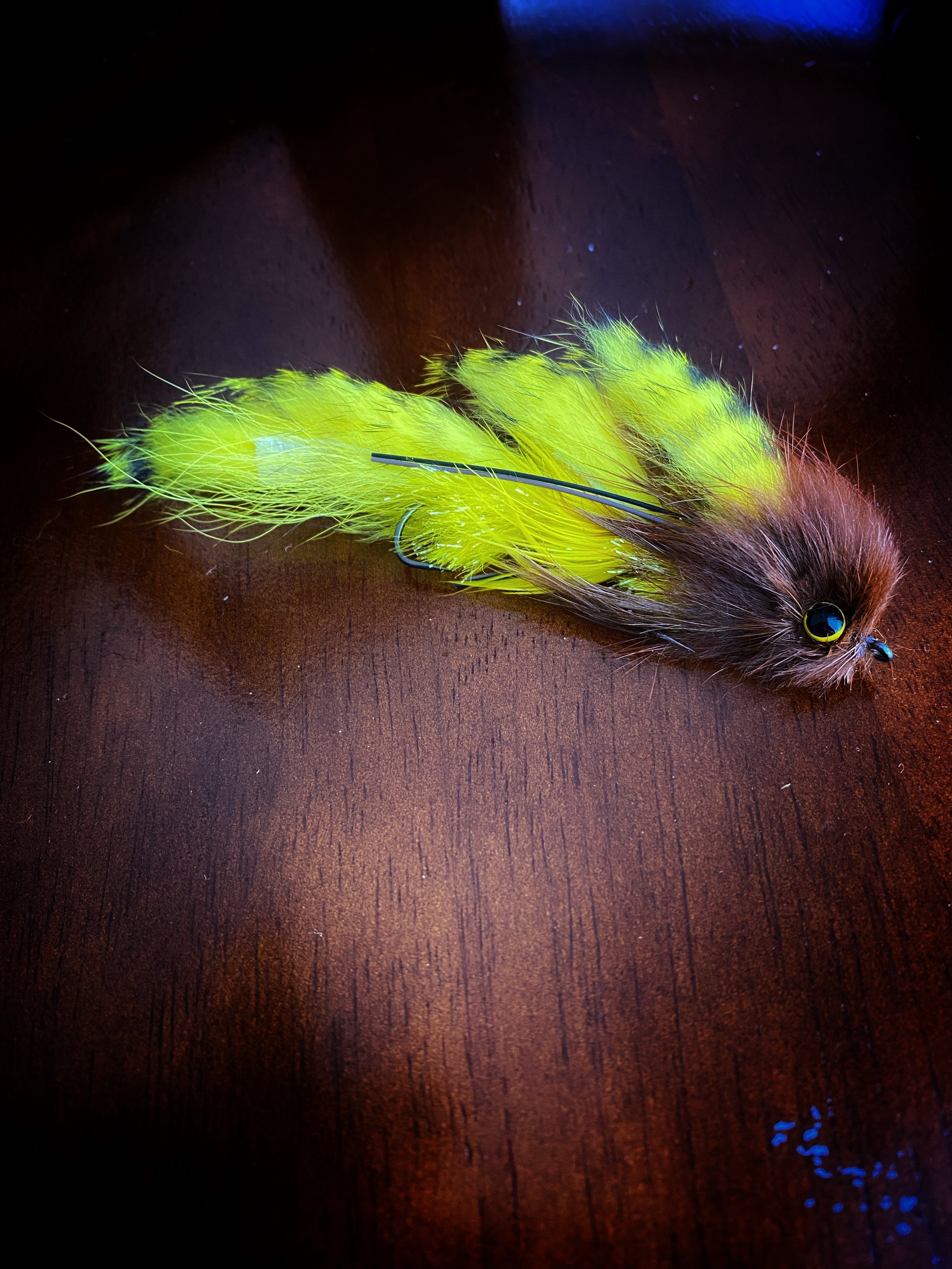
THE JACKHAMMER

ORIGINAL PATTERN
STORY
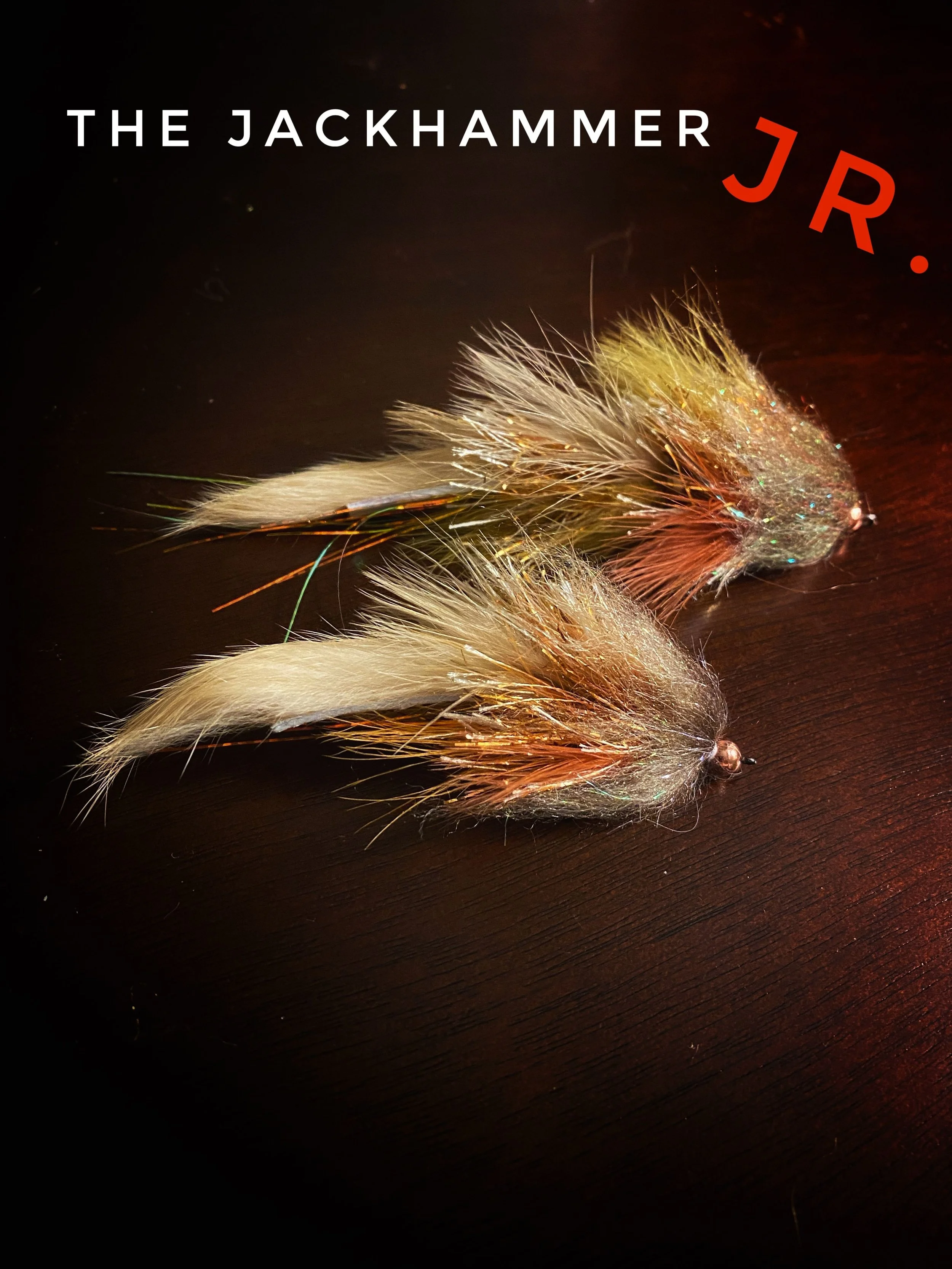
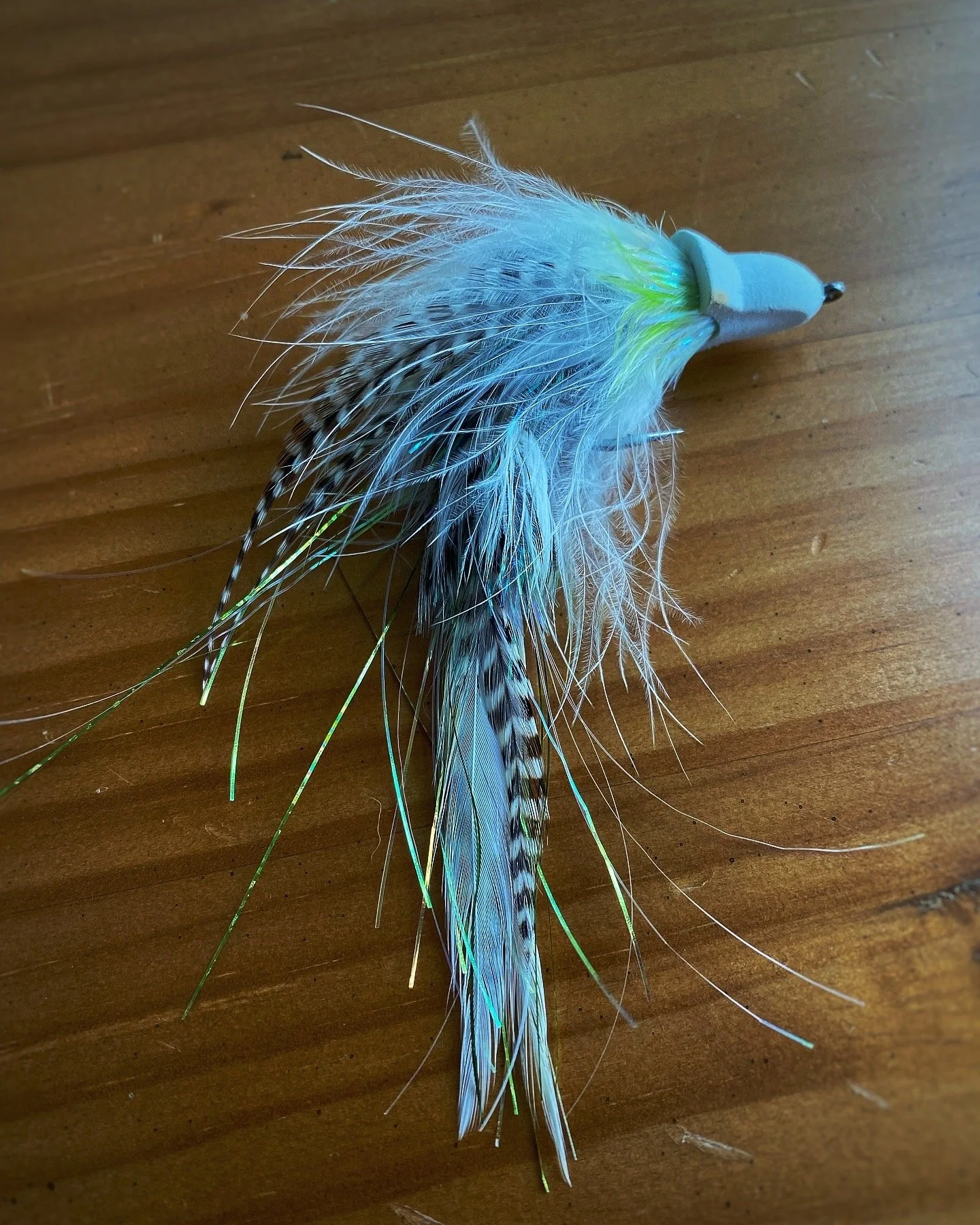
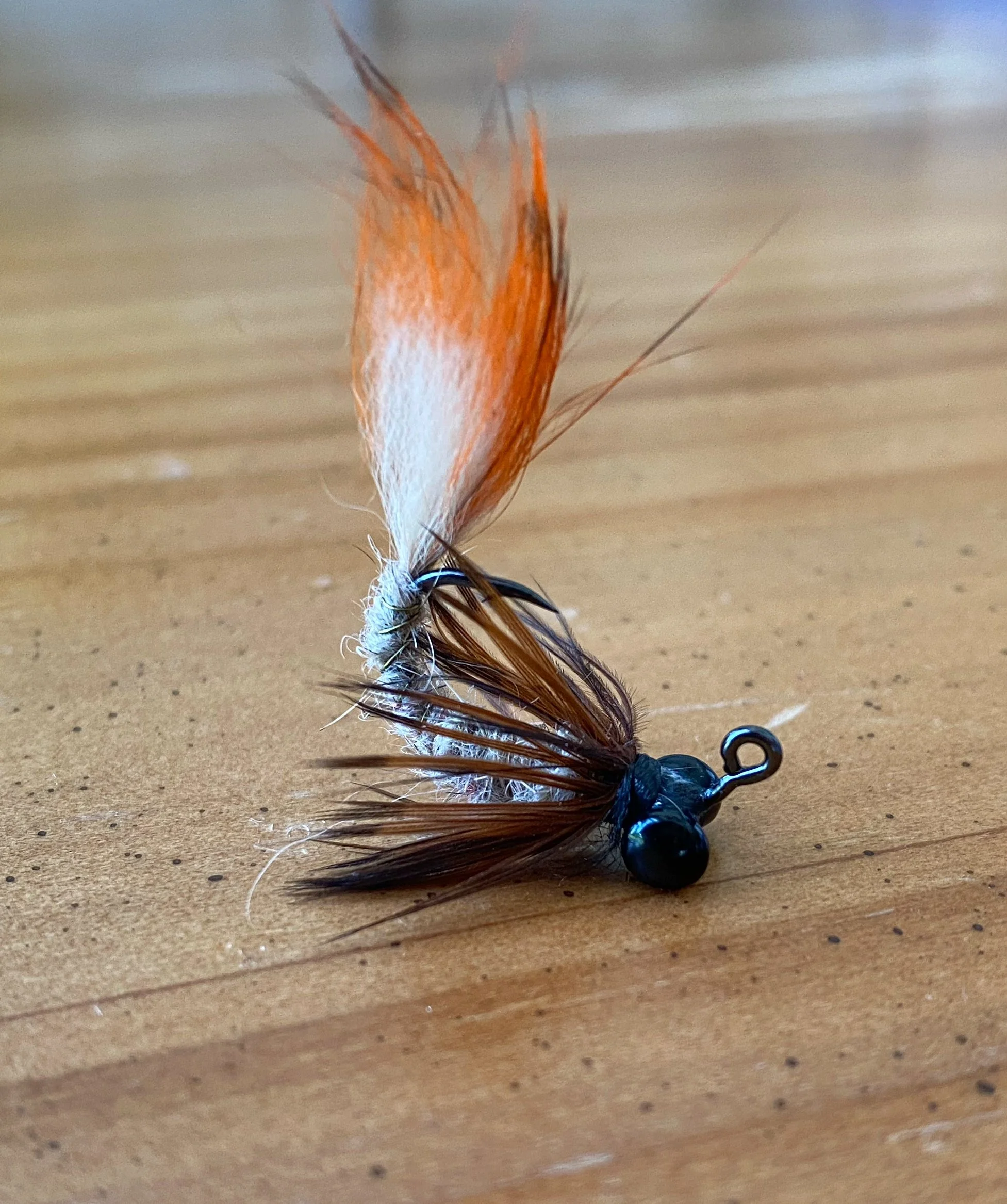
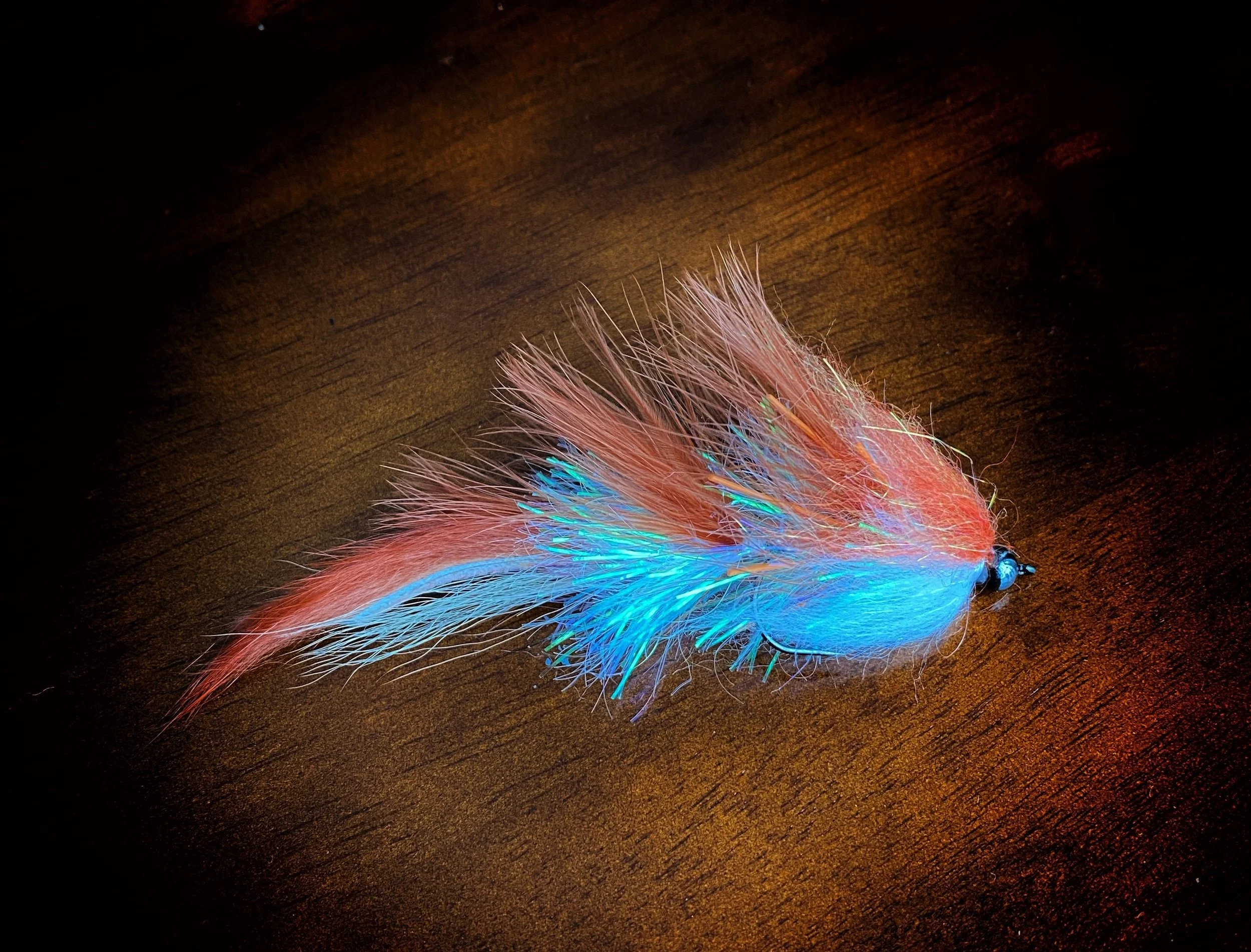
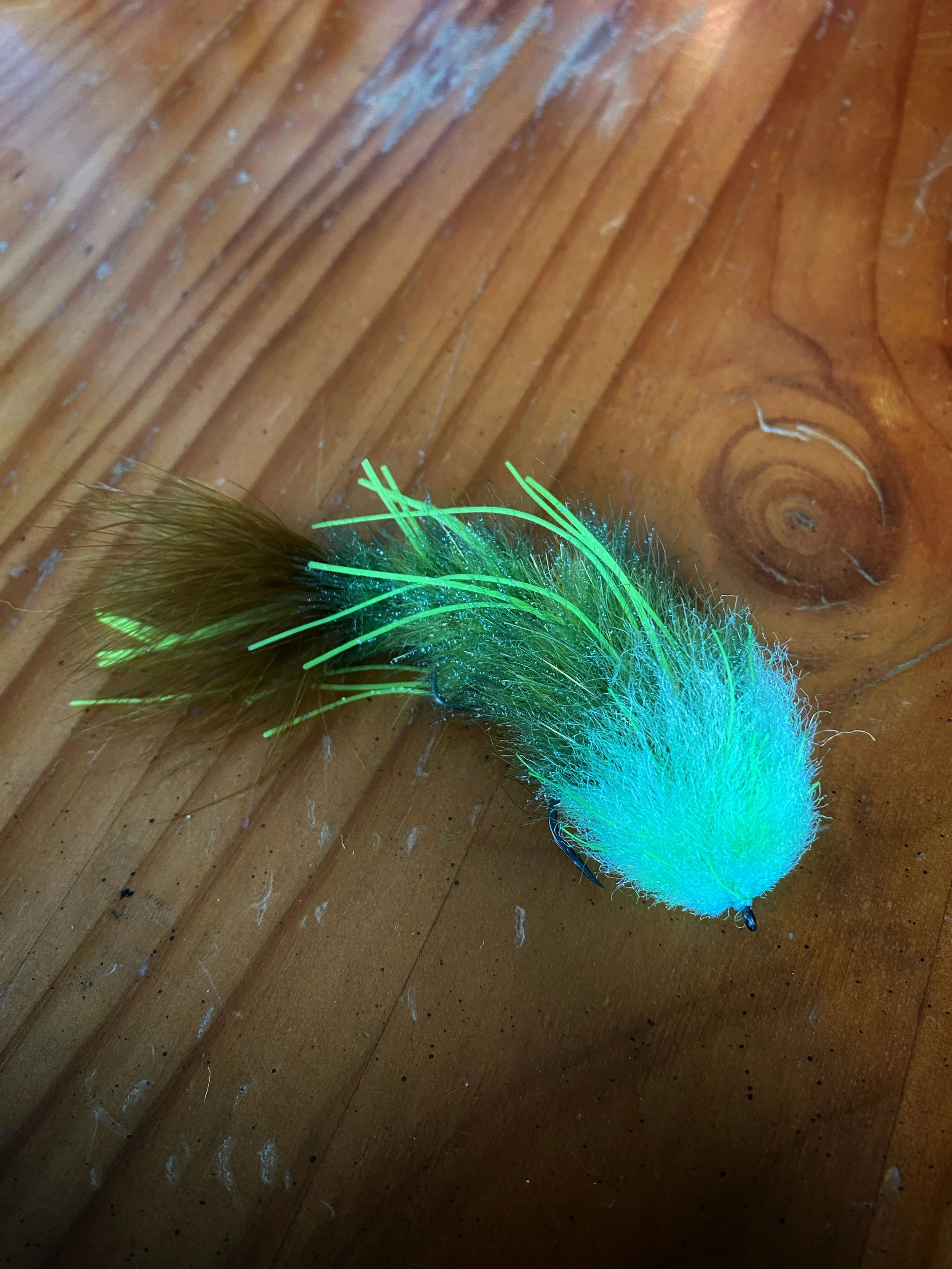
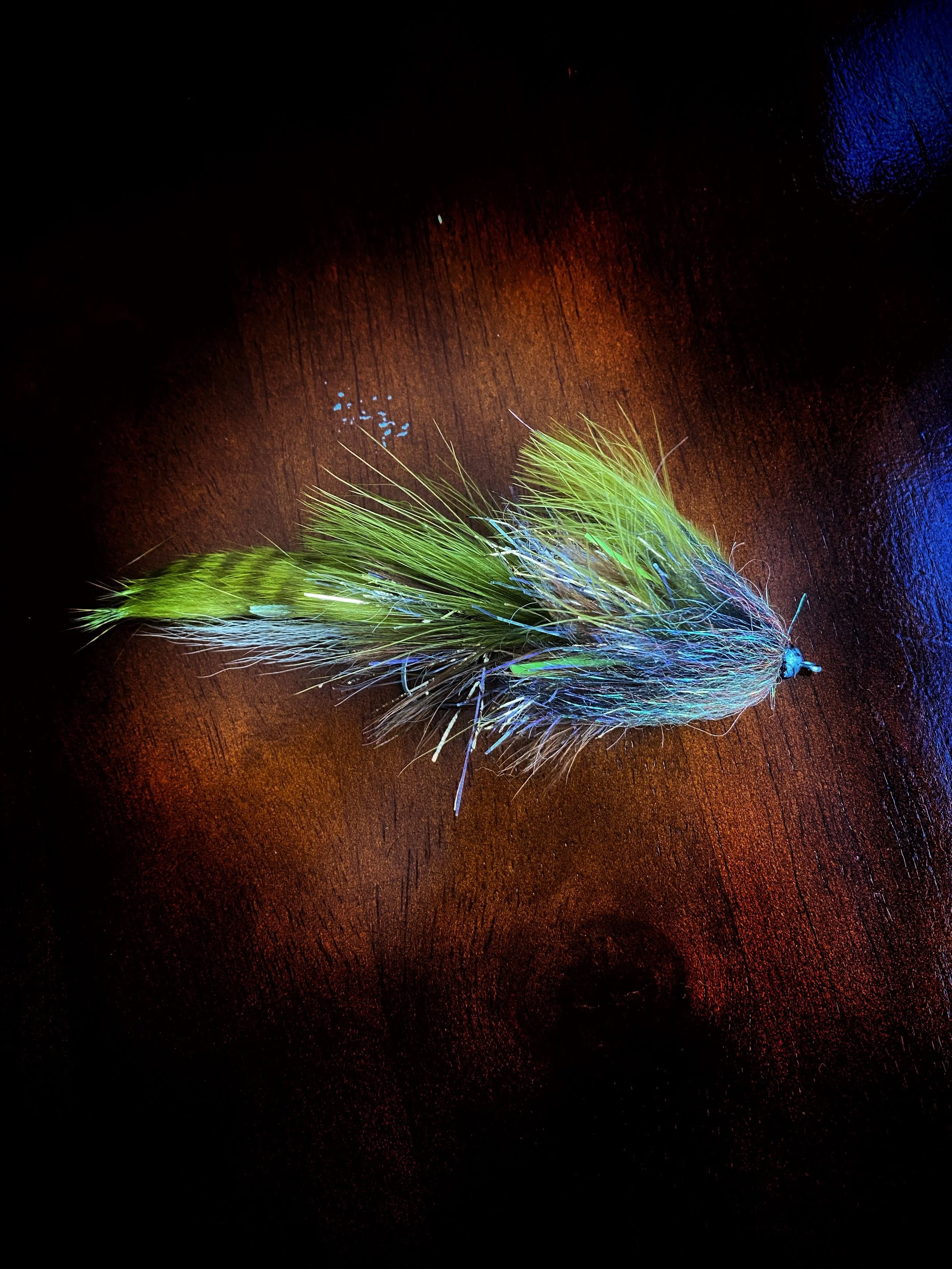
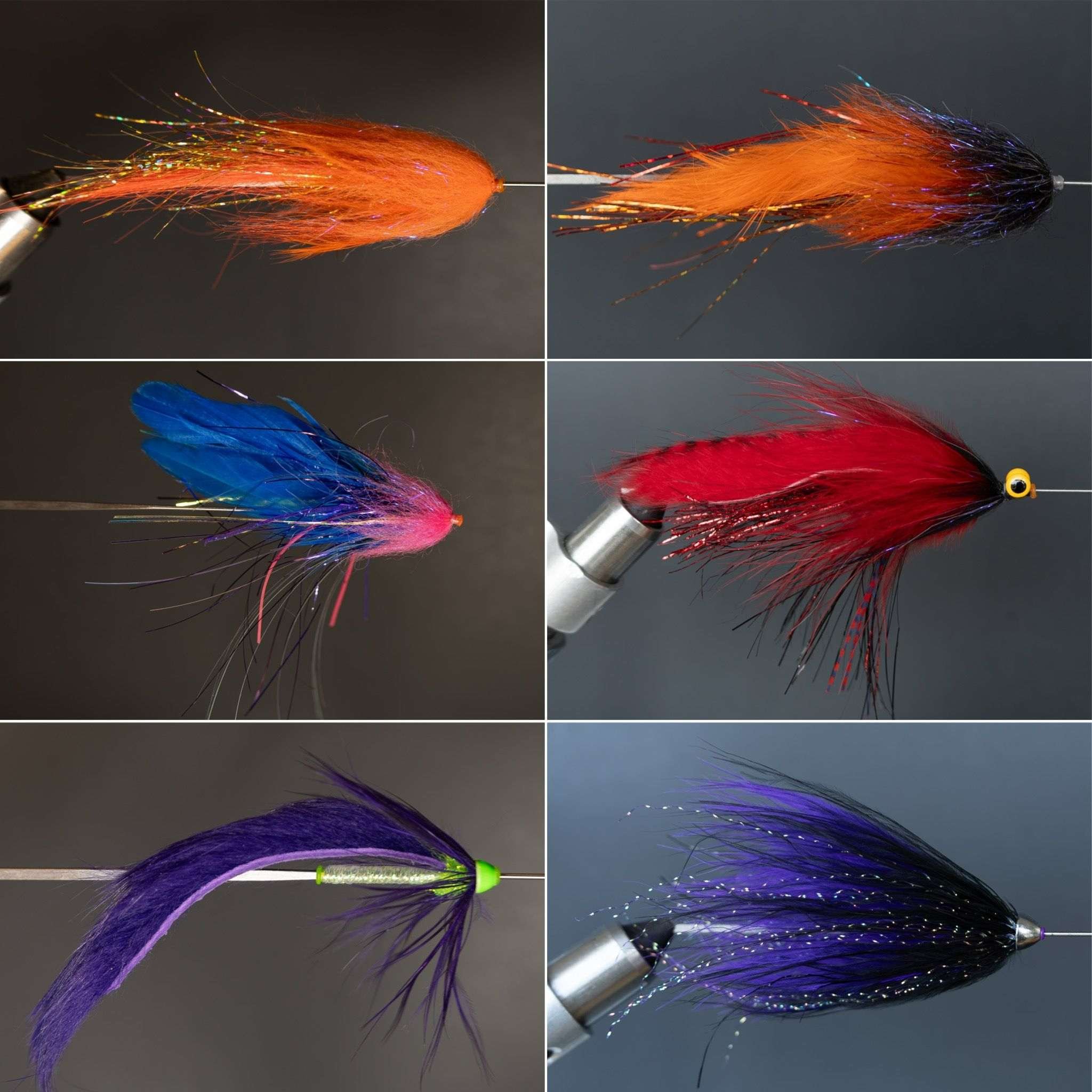
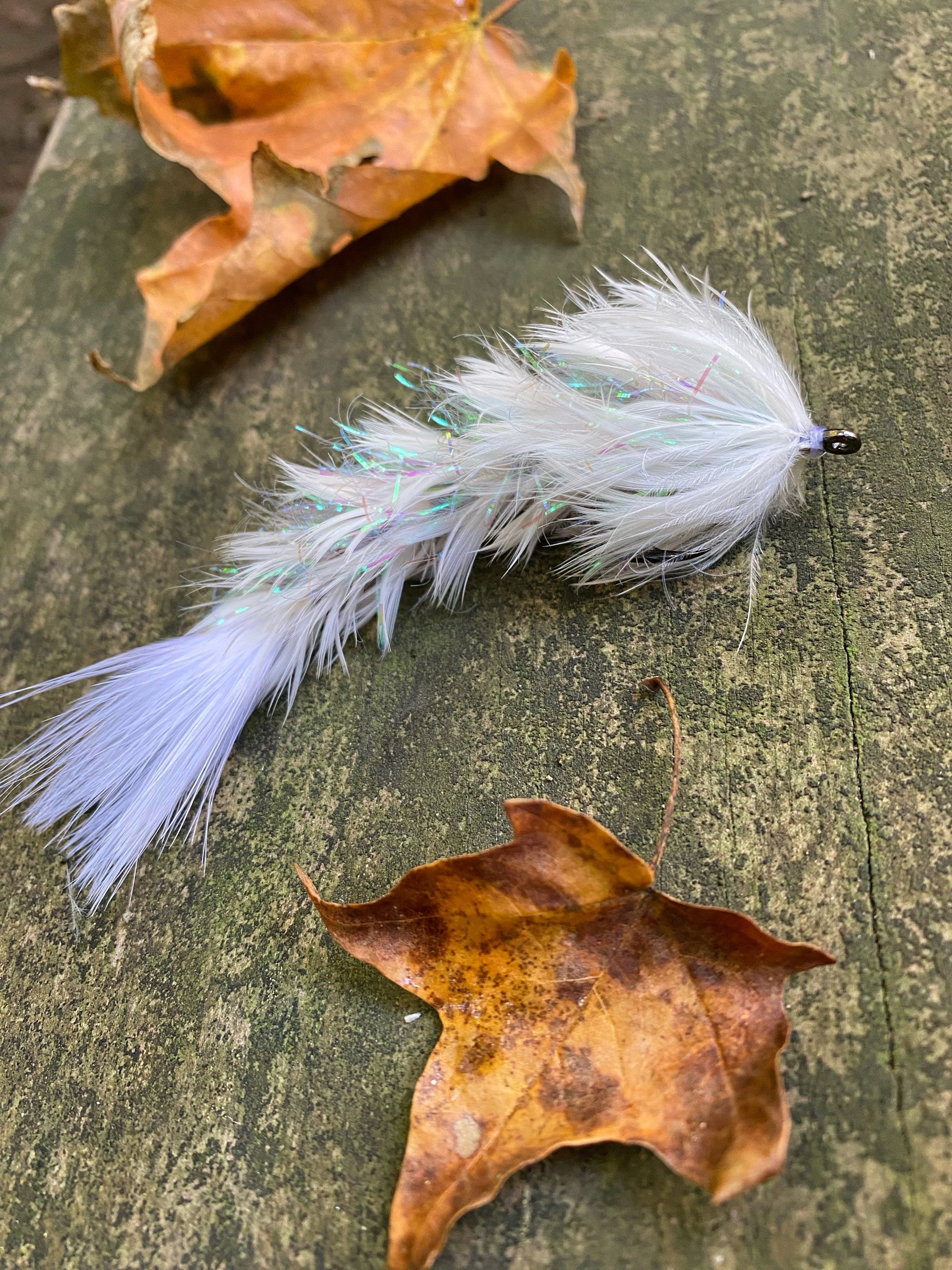
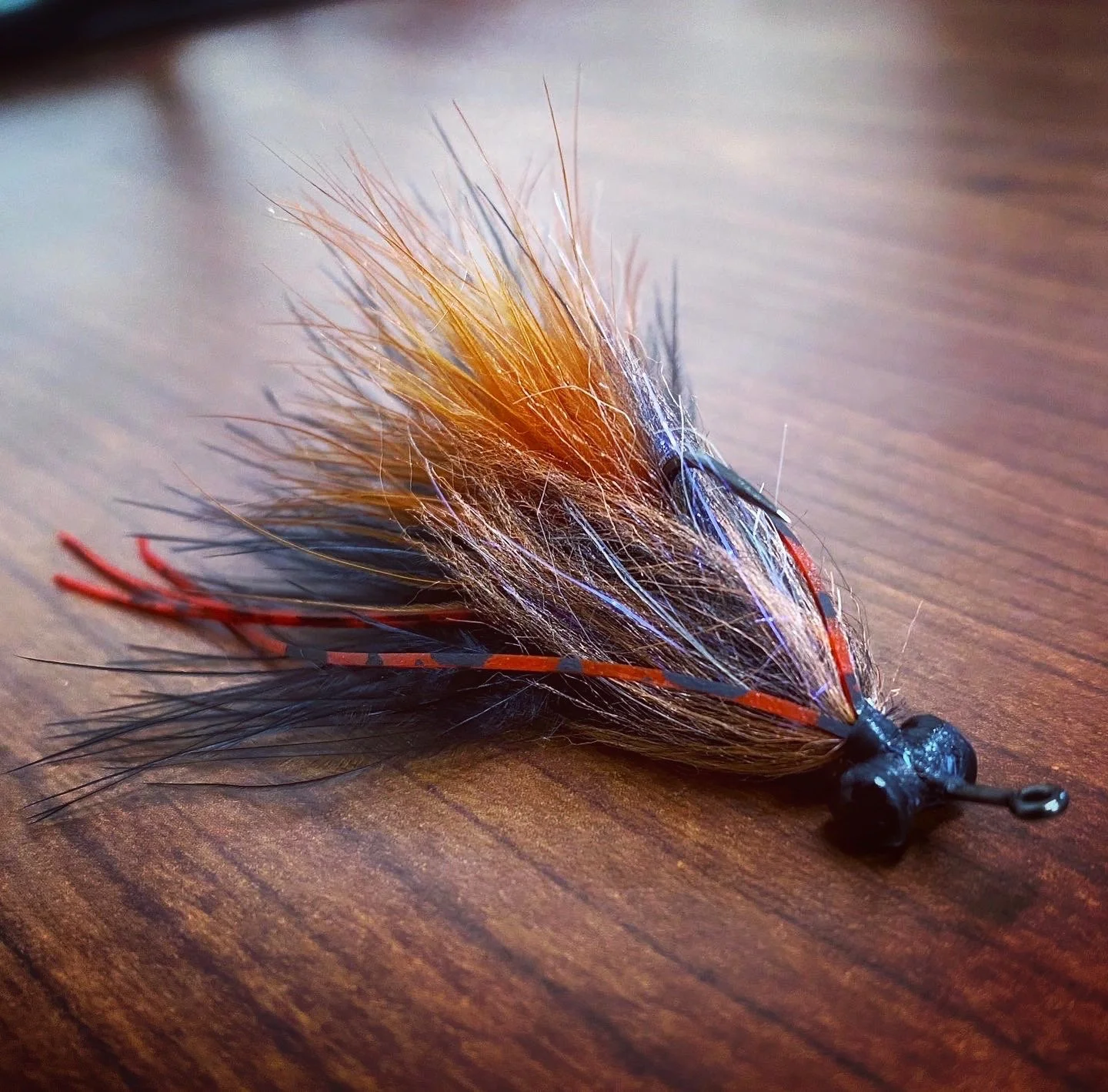
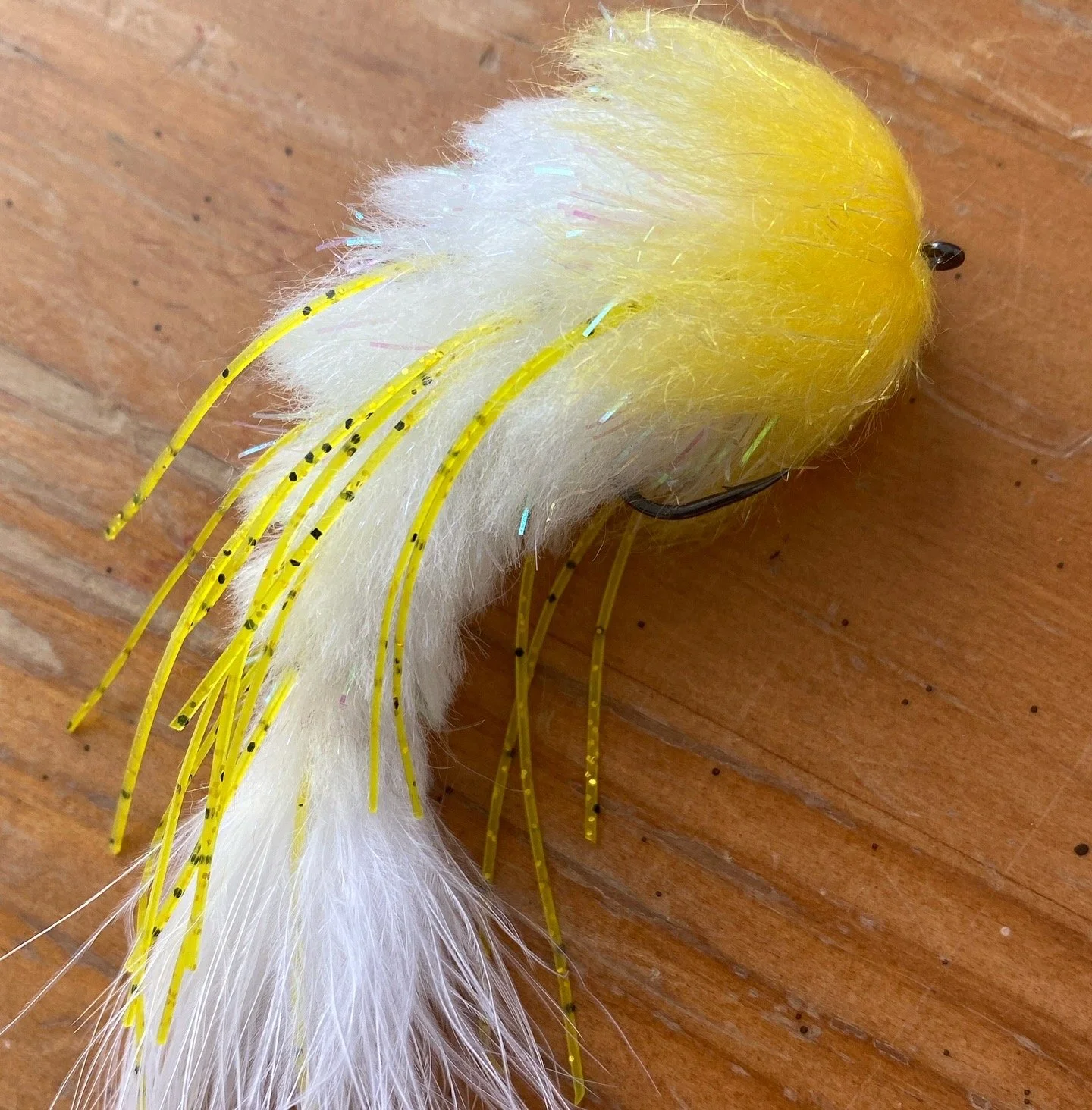
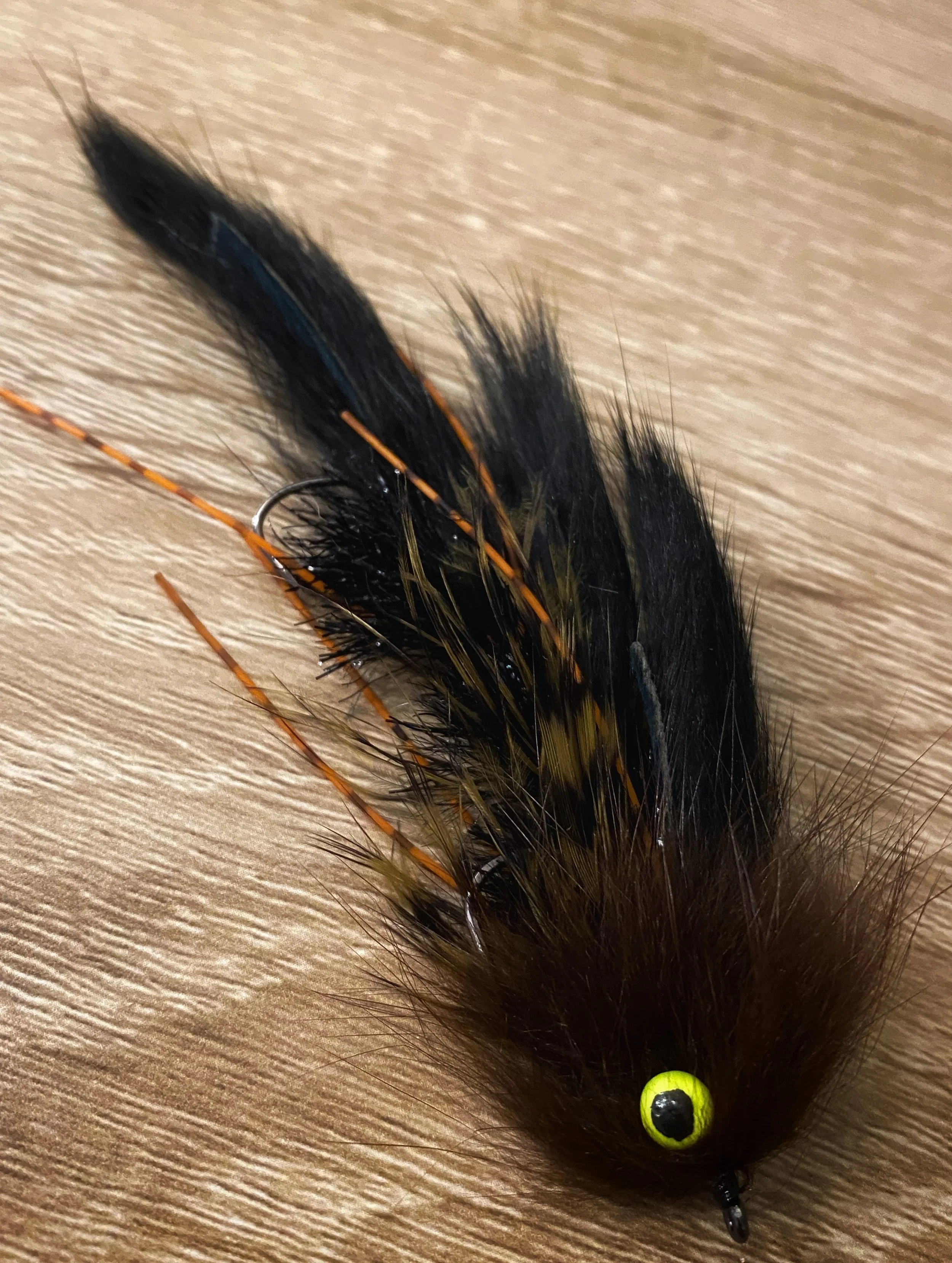
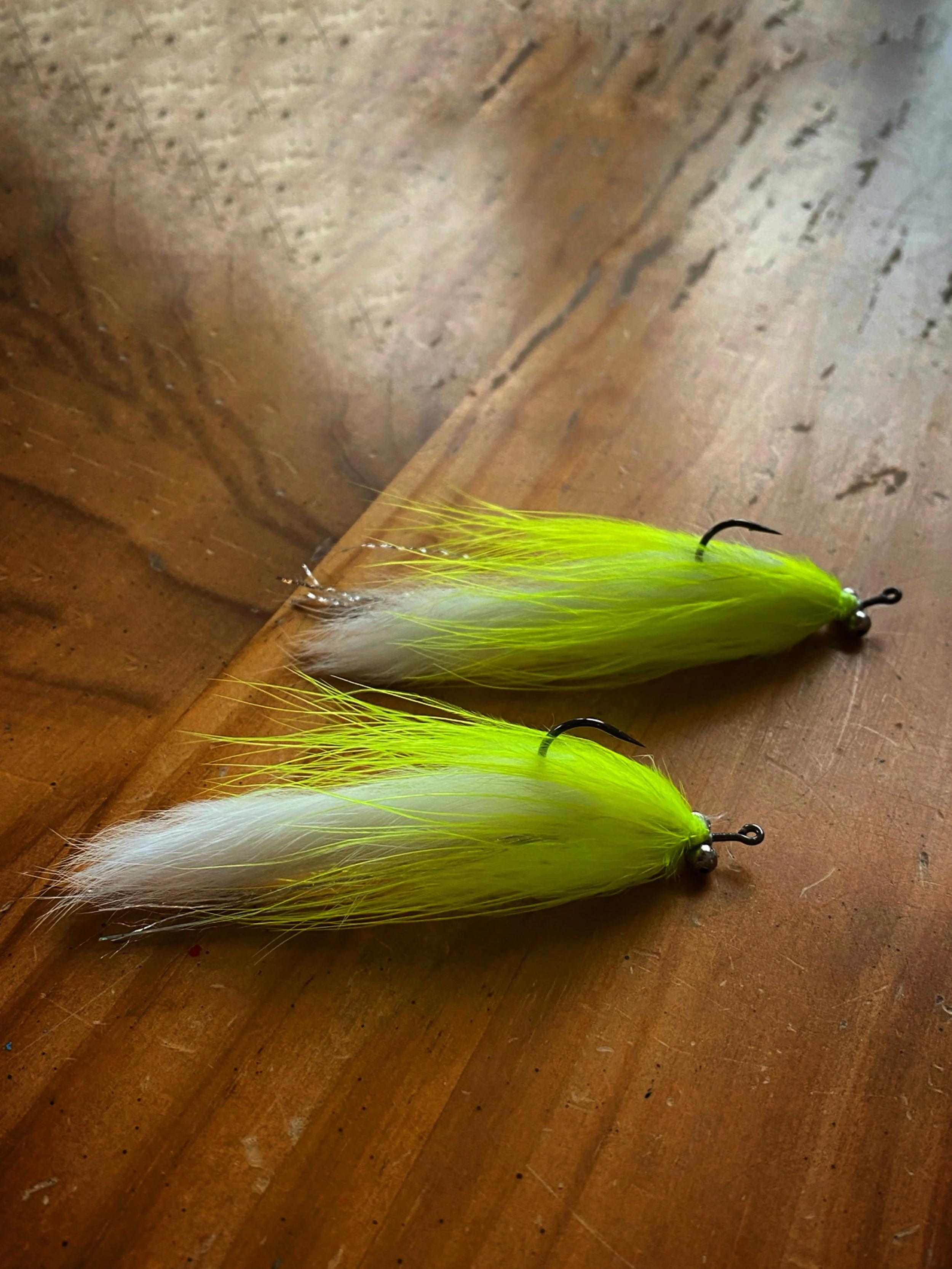
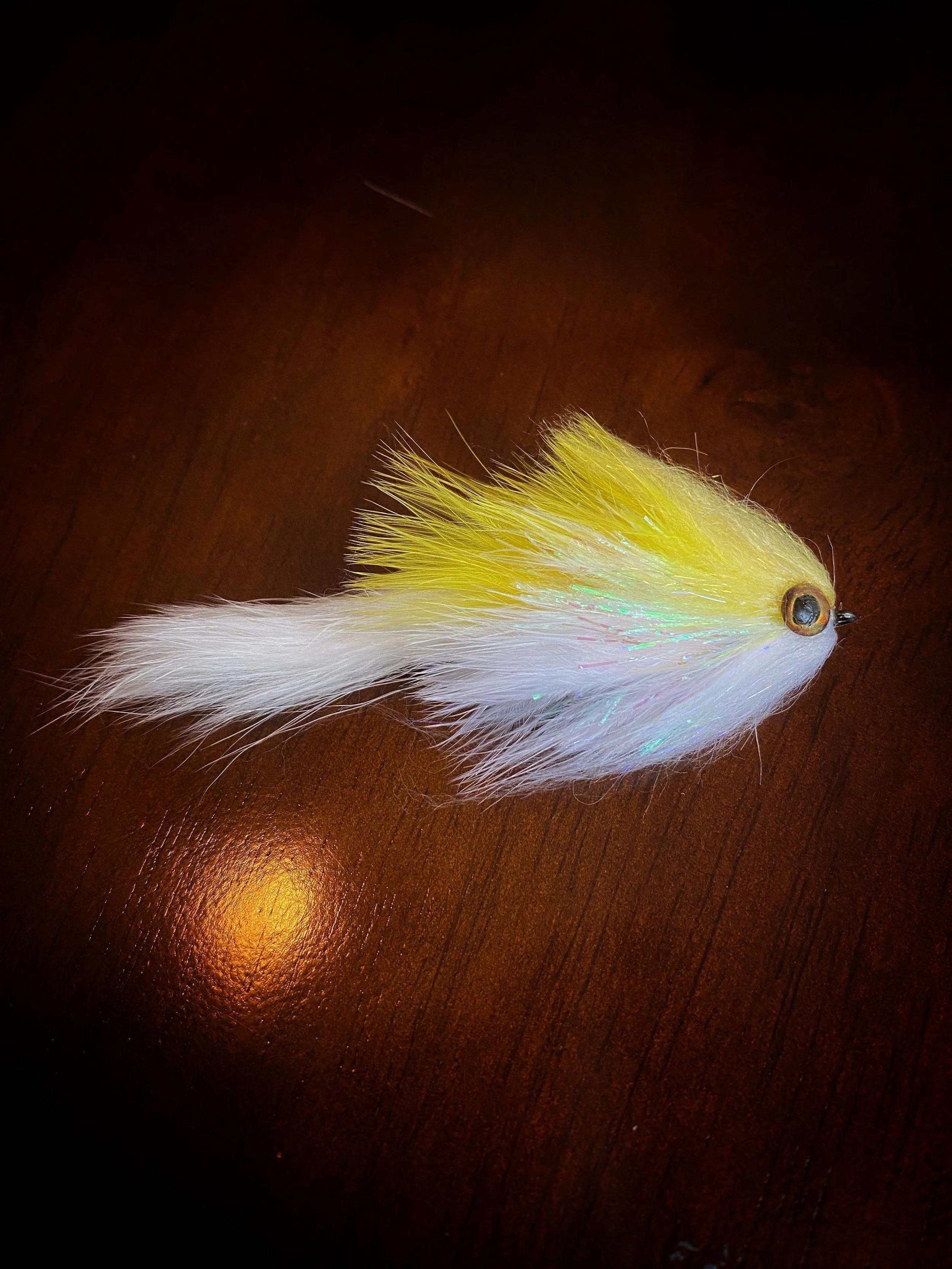
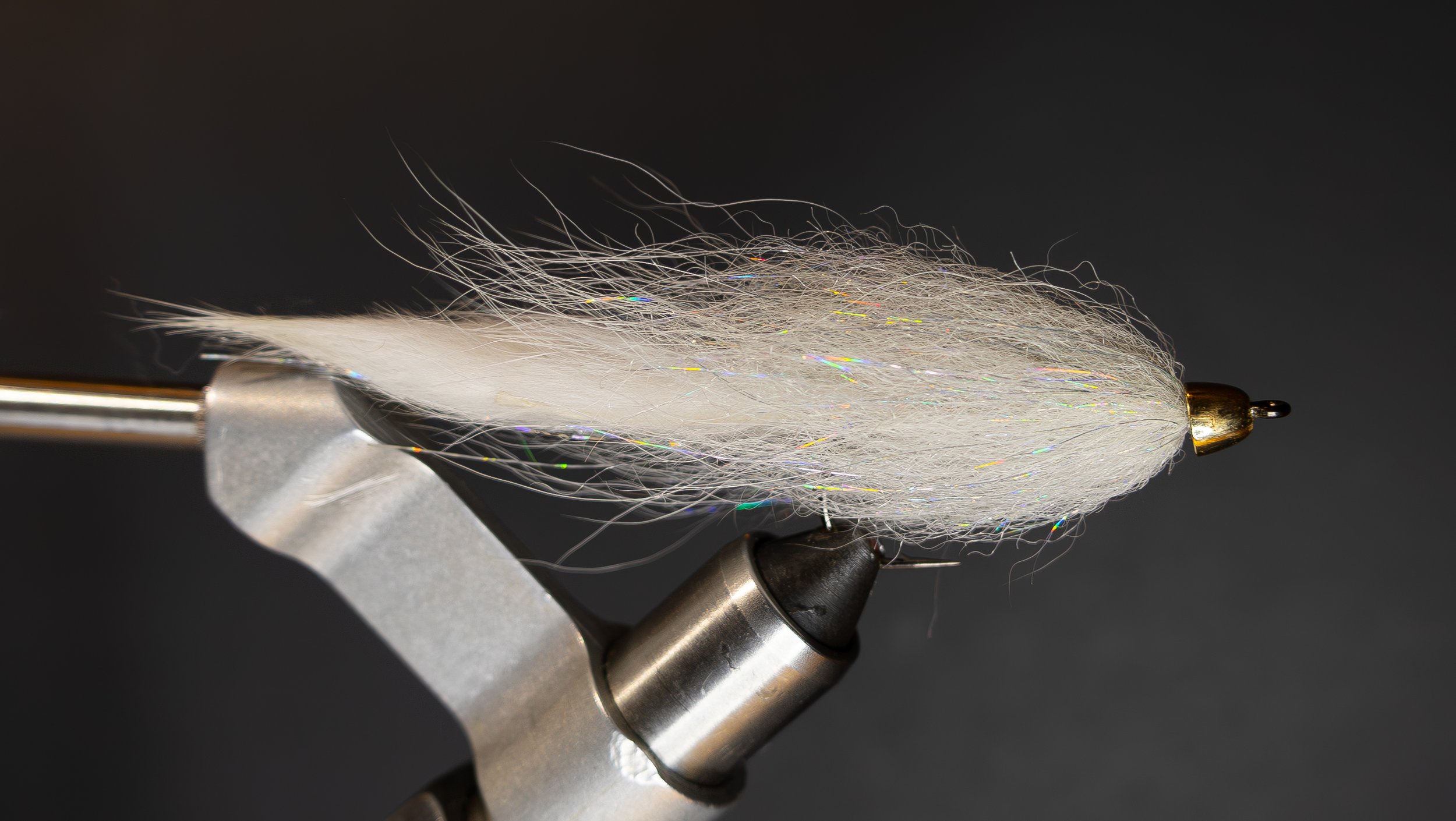
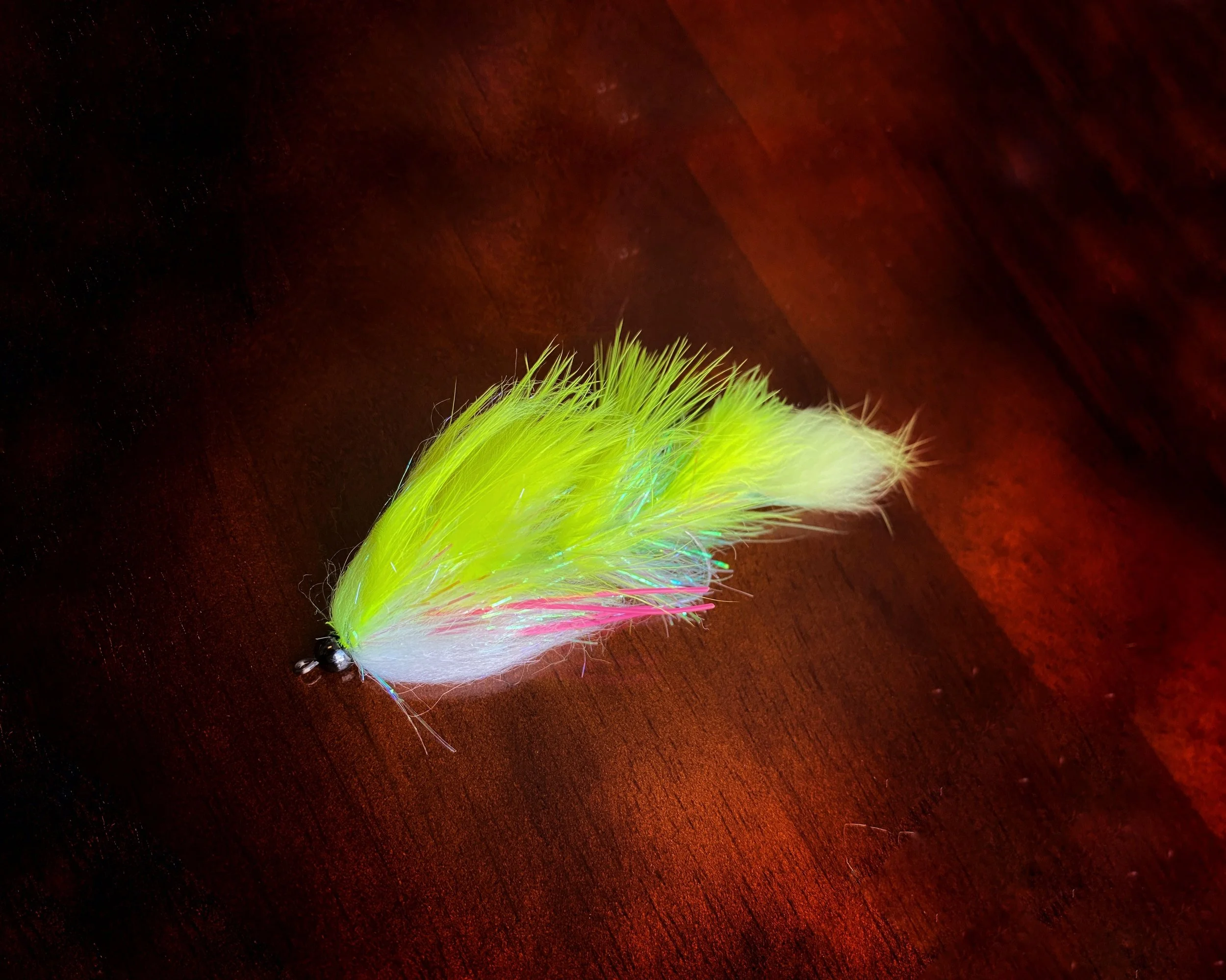
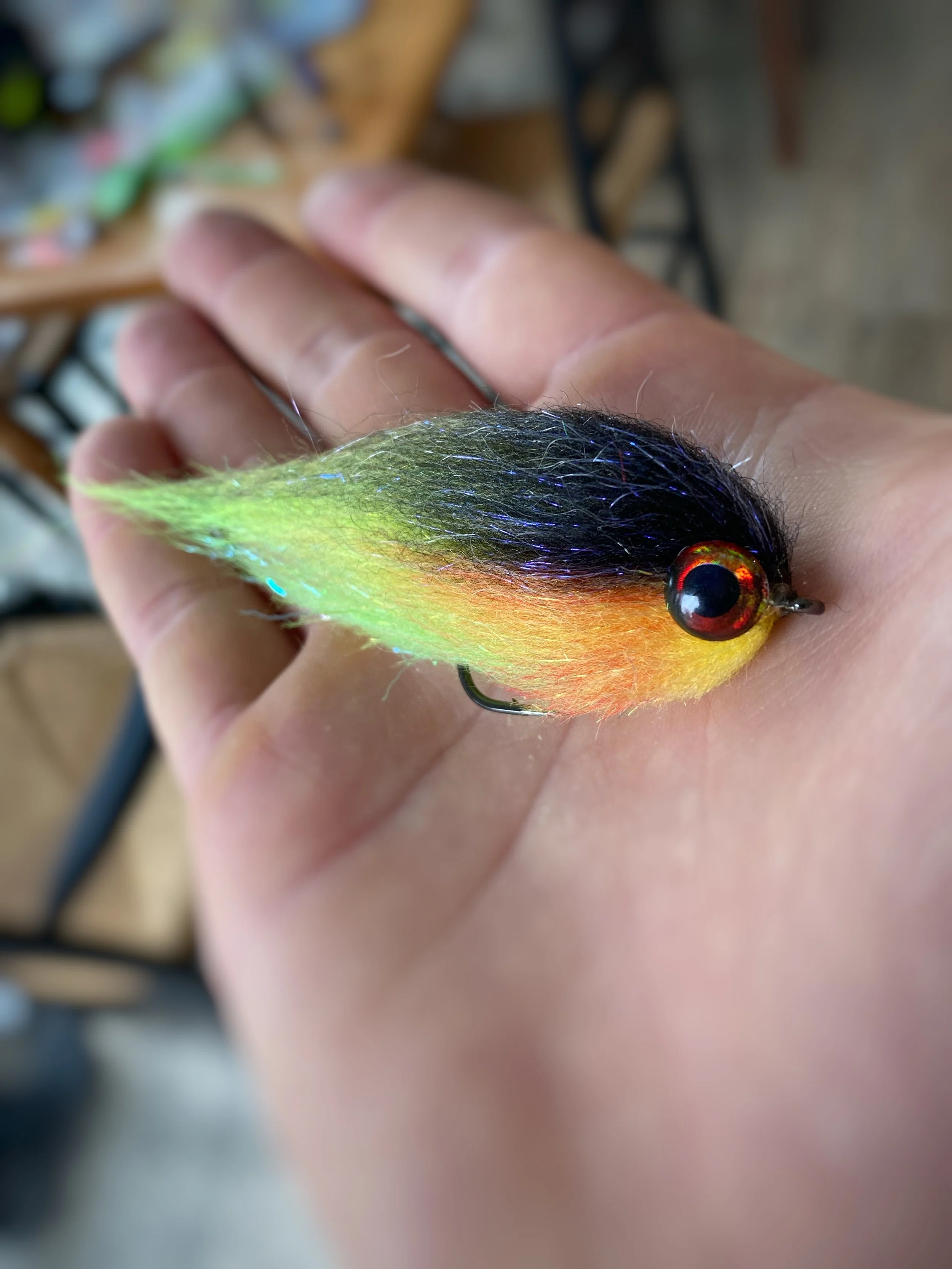
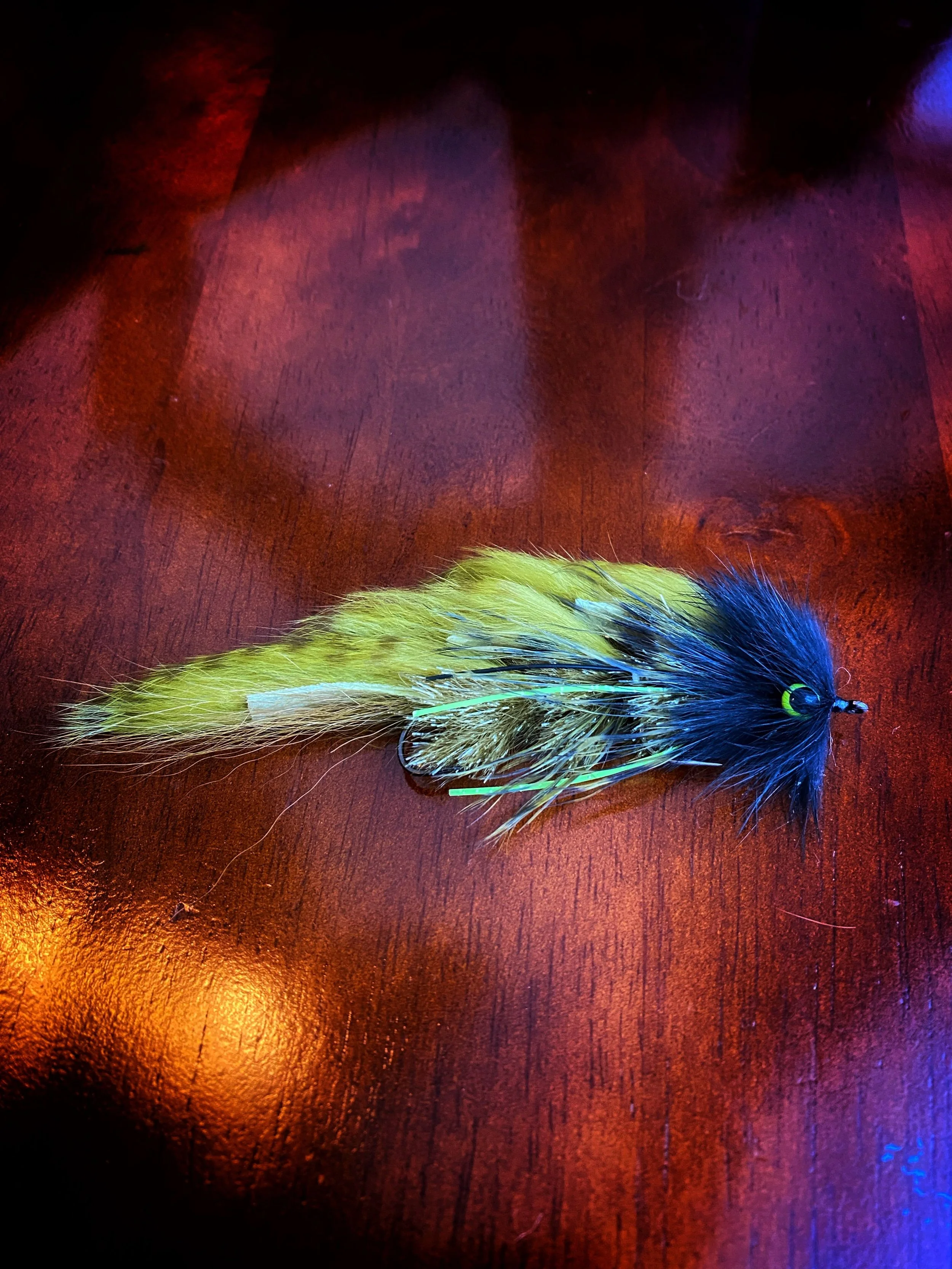
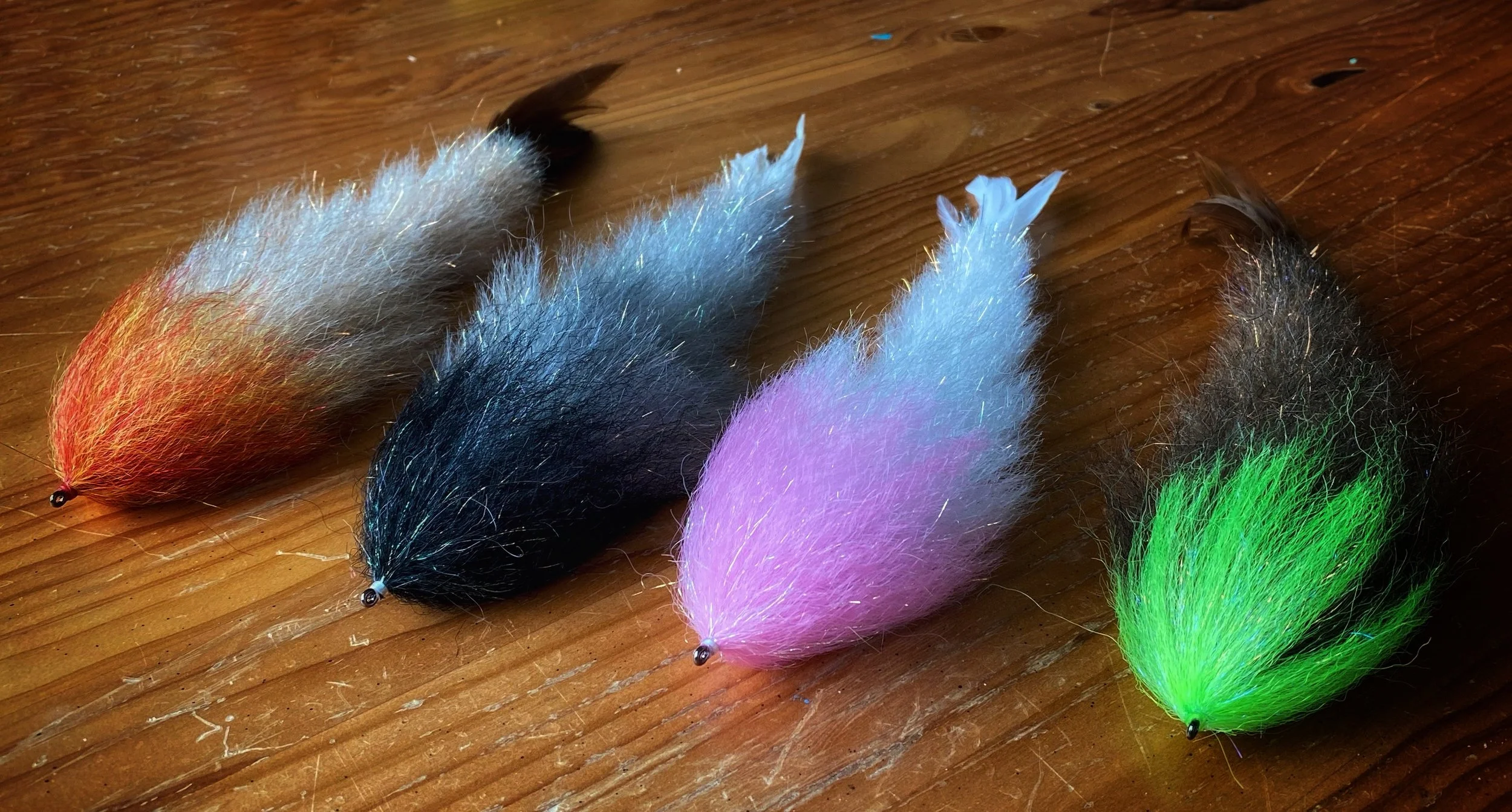
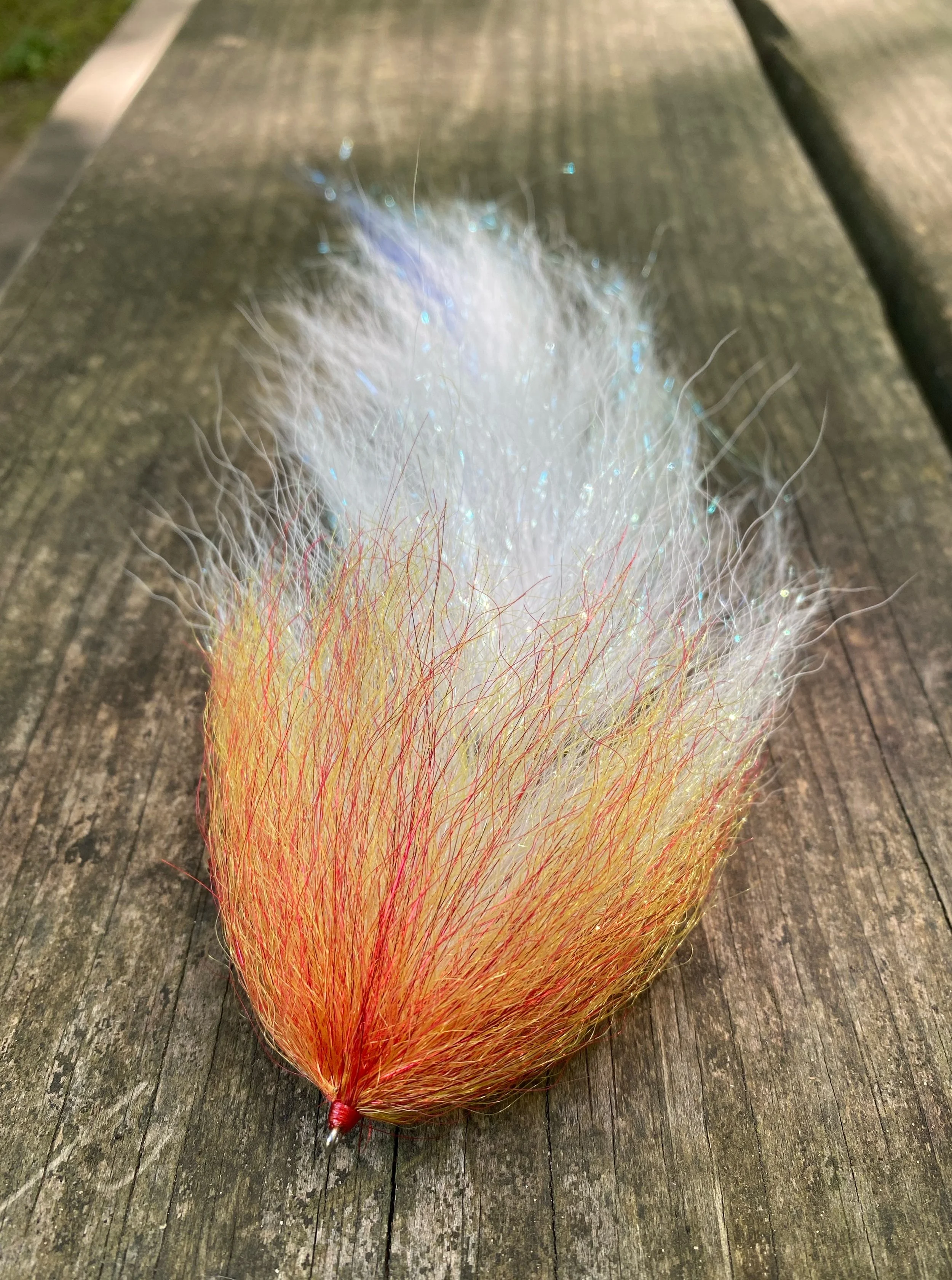
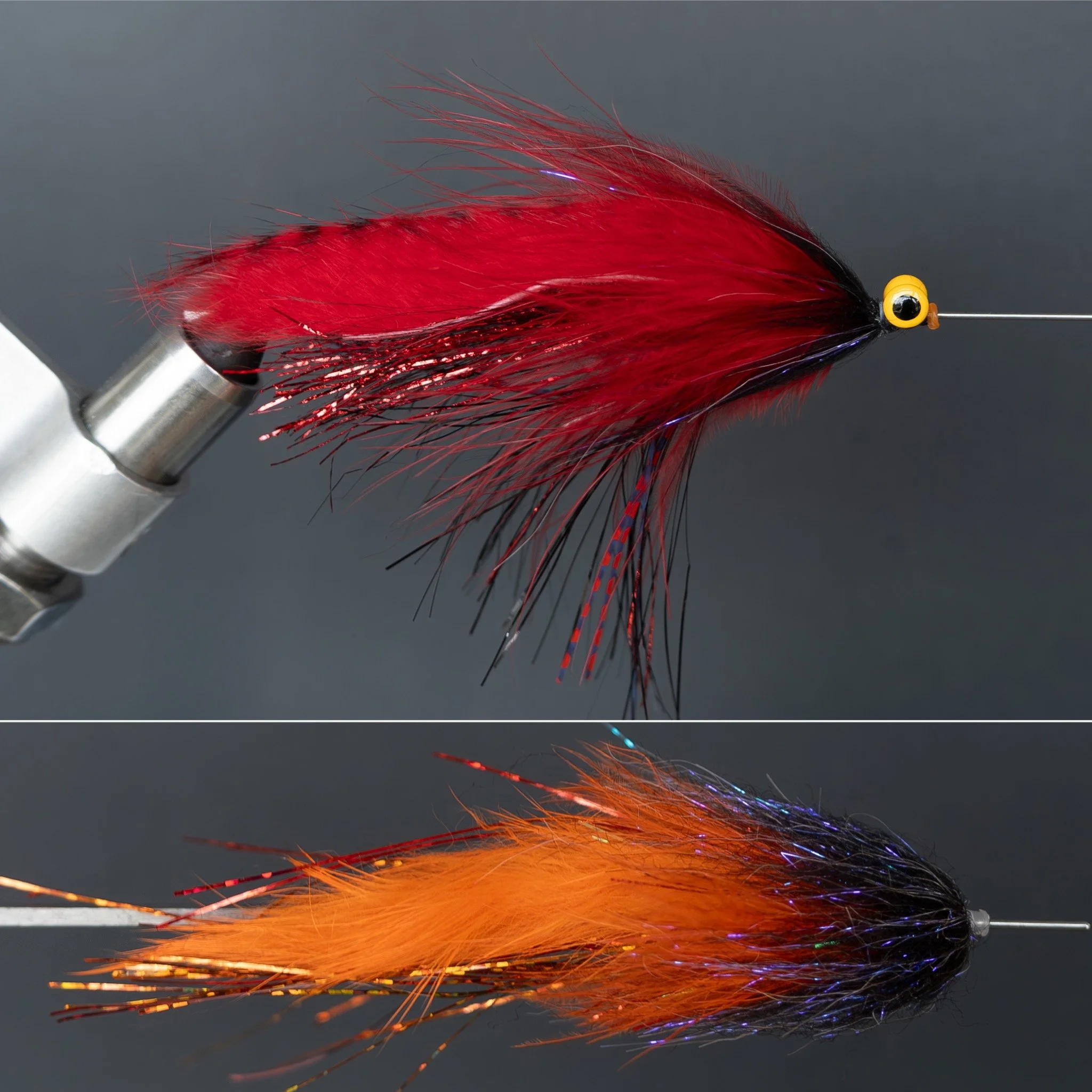
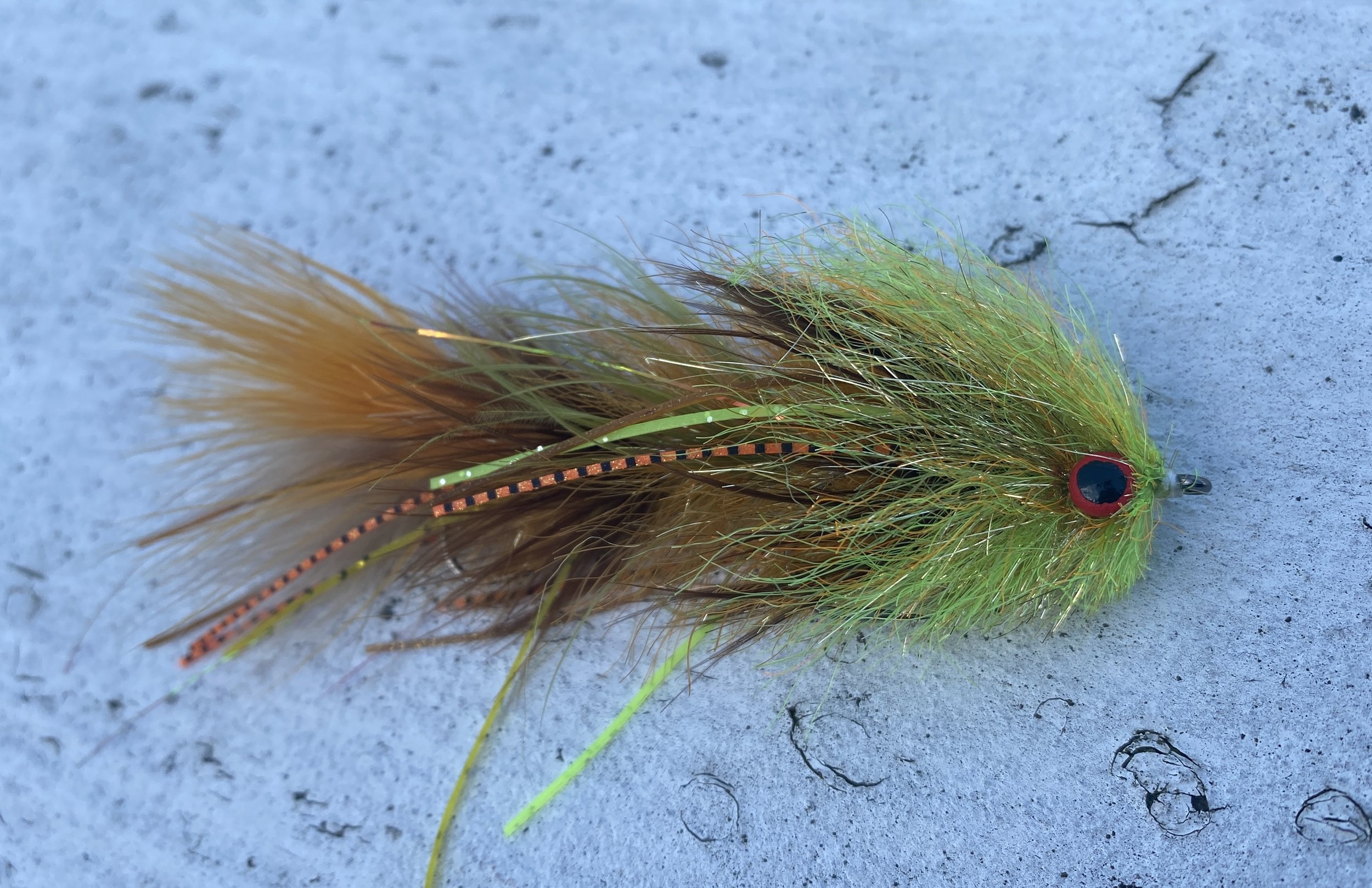
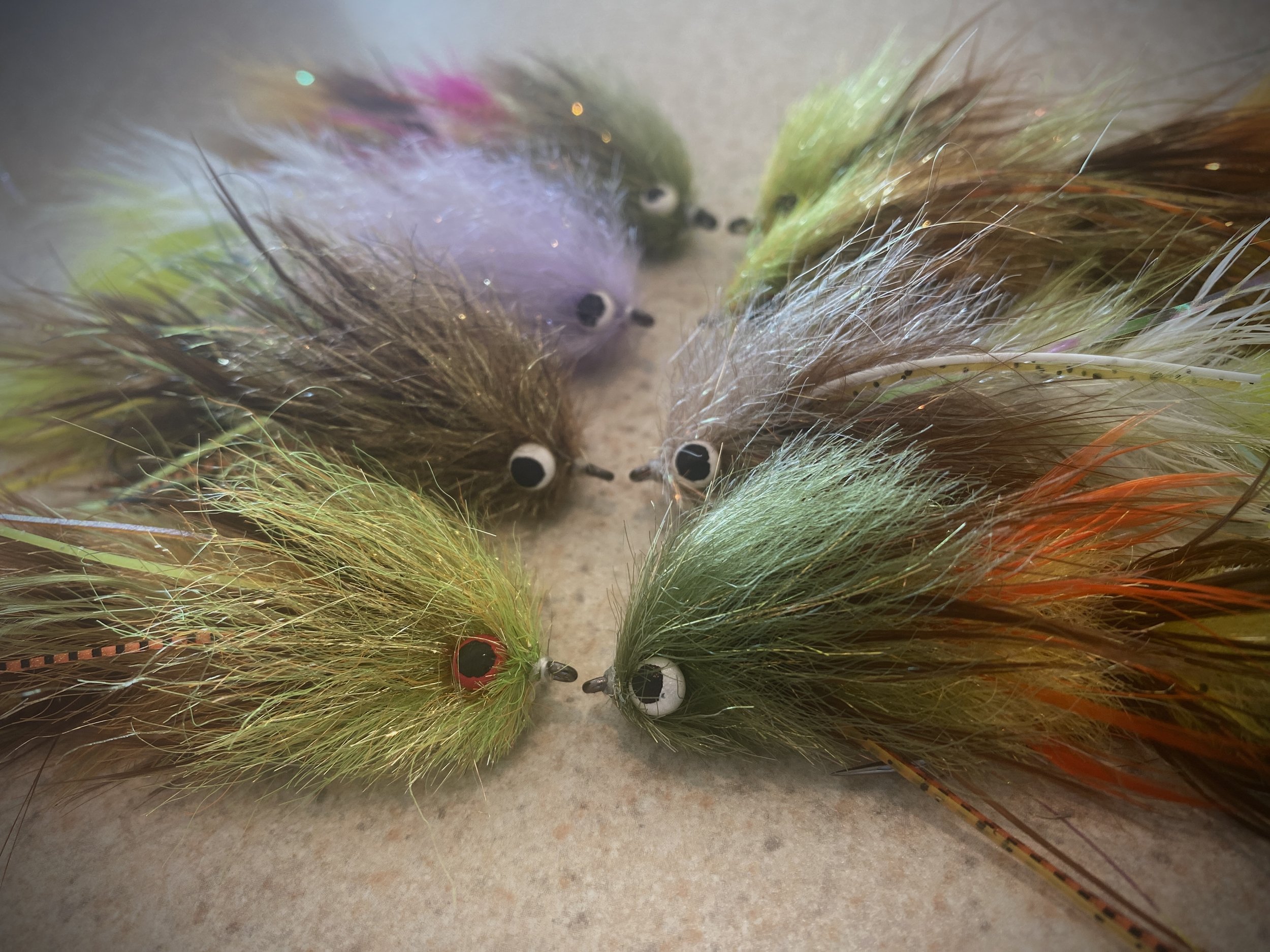
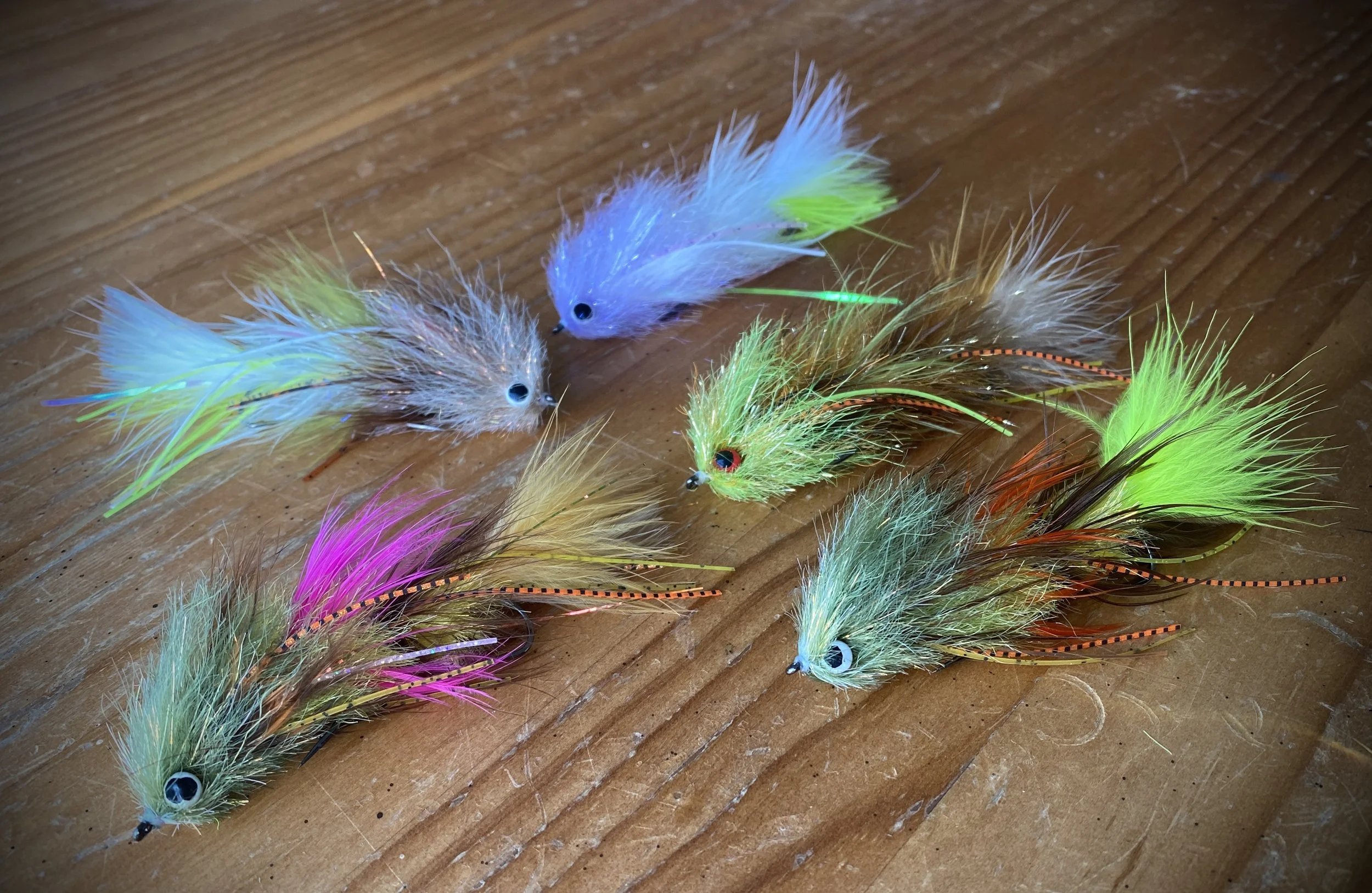
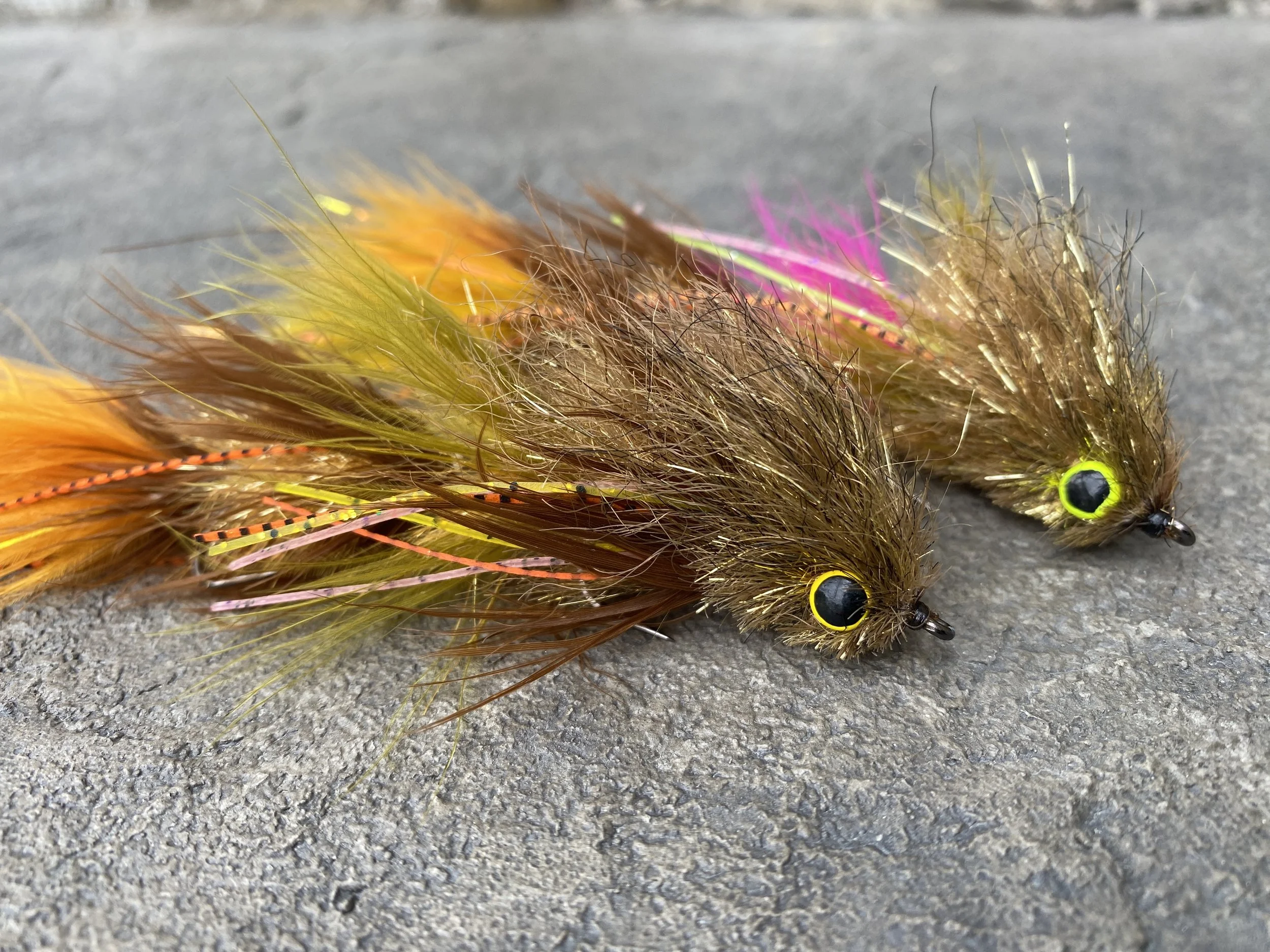
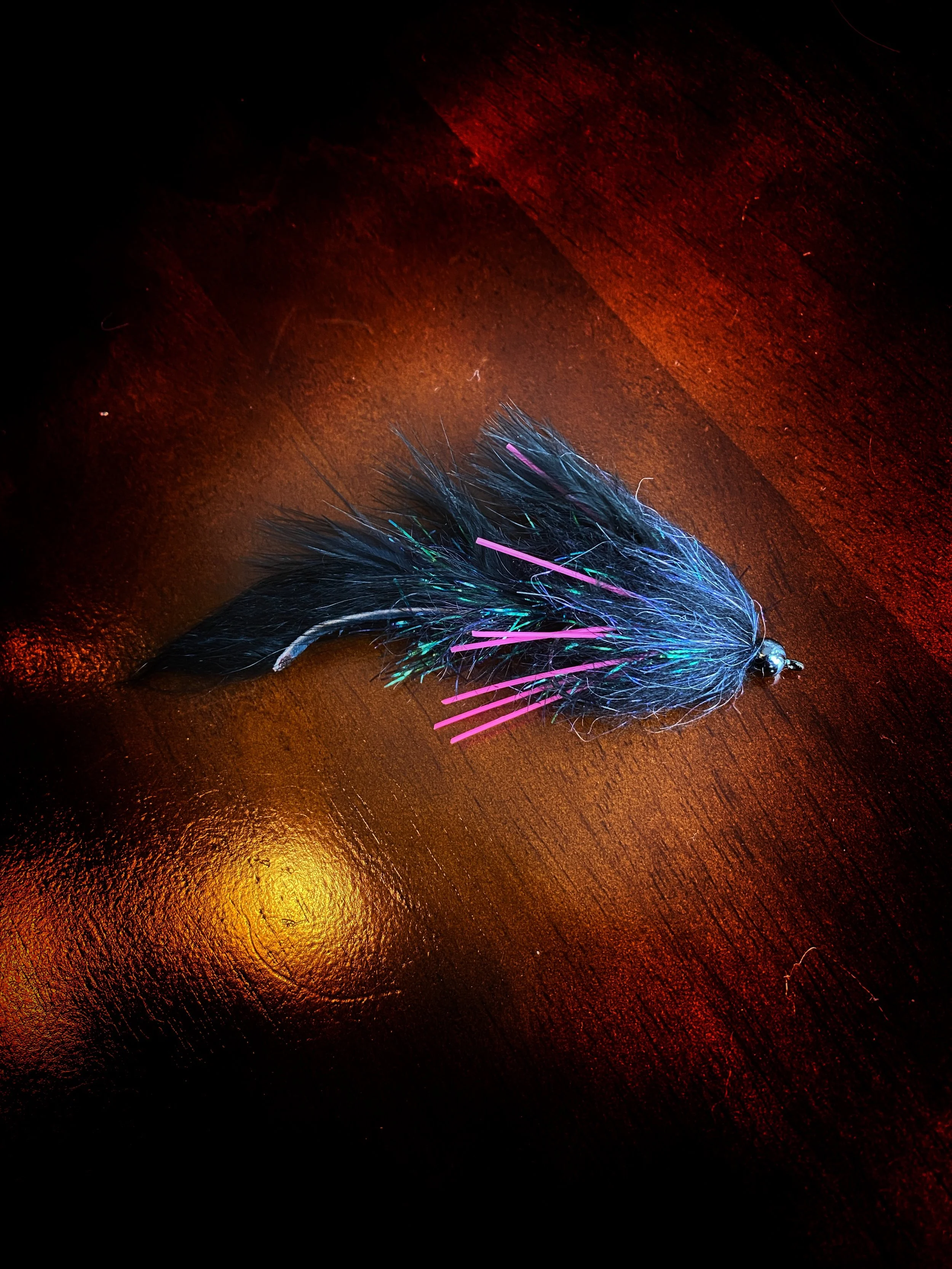
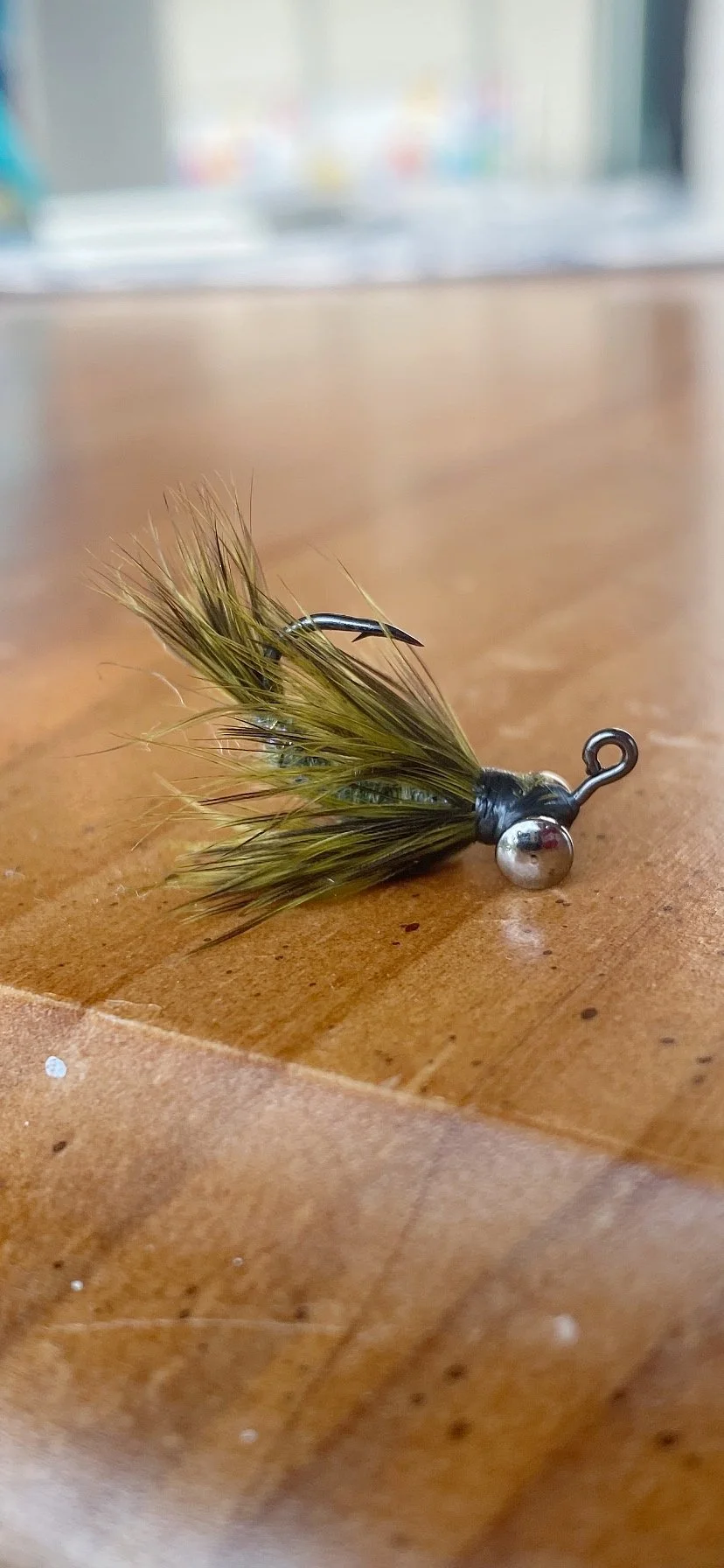
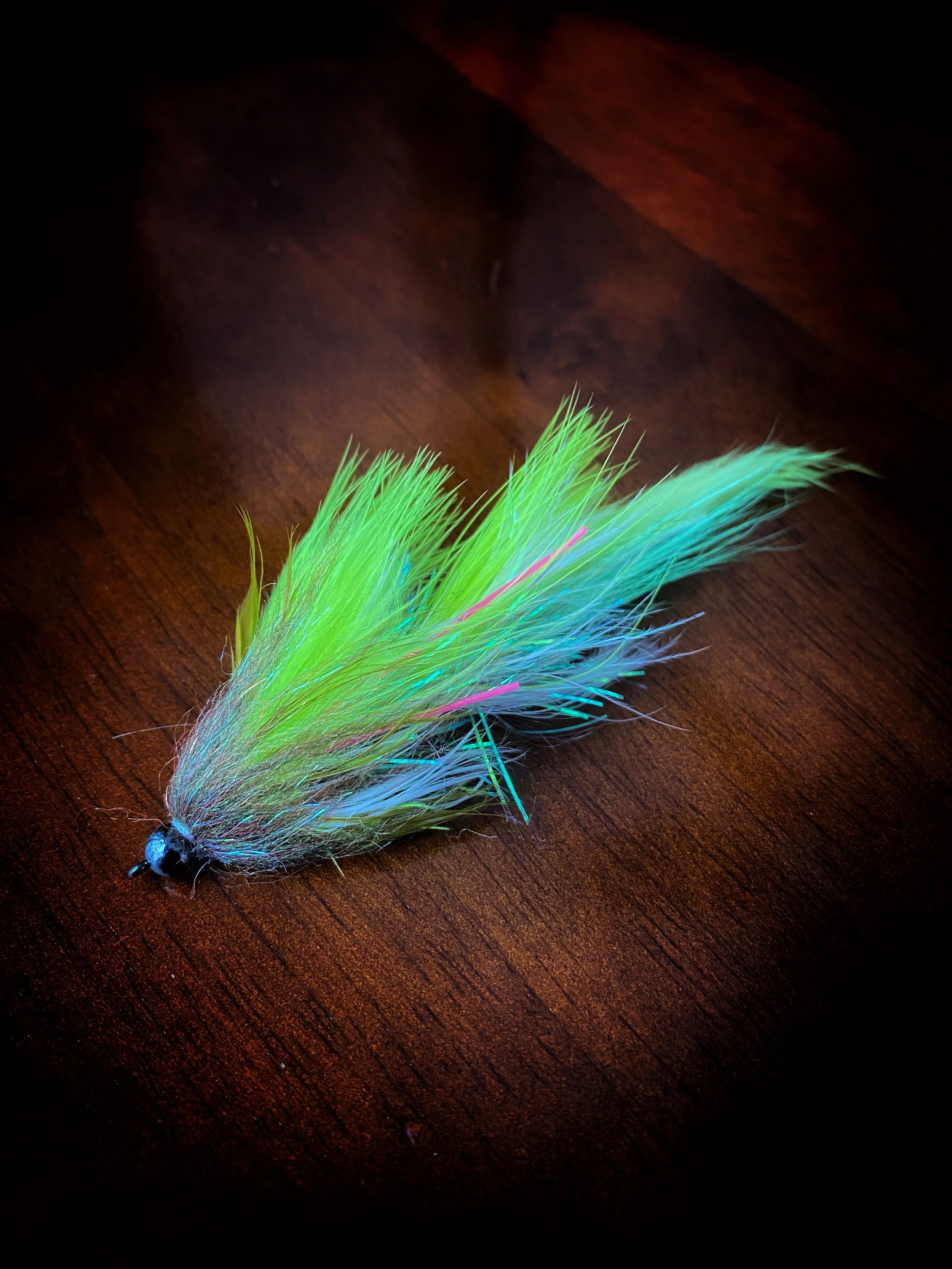
The Jackhammer was developed as a versatile smallmouth bass fly. When outfitted with a tungsten bead, its a punchy jig fly that effectively powerfishes moving water. Swap the bead out for lead eyes, a brass cone, or bead chain, and it transforms into a mid-column swim fly with all the movement you’d expect from any popular option in that category.
design
The hook, by design, sits in the middle third of the fly, securing fish that strike at the head or its rear. This single-hook platform protects both the fish and the angler, and makes the pattern lighter and cheaper to tie than most two-hook flies. My favorite size is a number 2 hook behind a 25mm shank fitted with a 4.6mm tungsten bead, but it can also be scaled up with a number 1 hook, 35mm shank, and a 5.5mm tungsten bead.

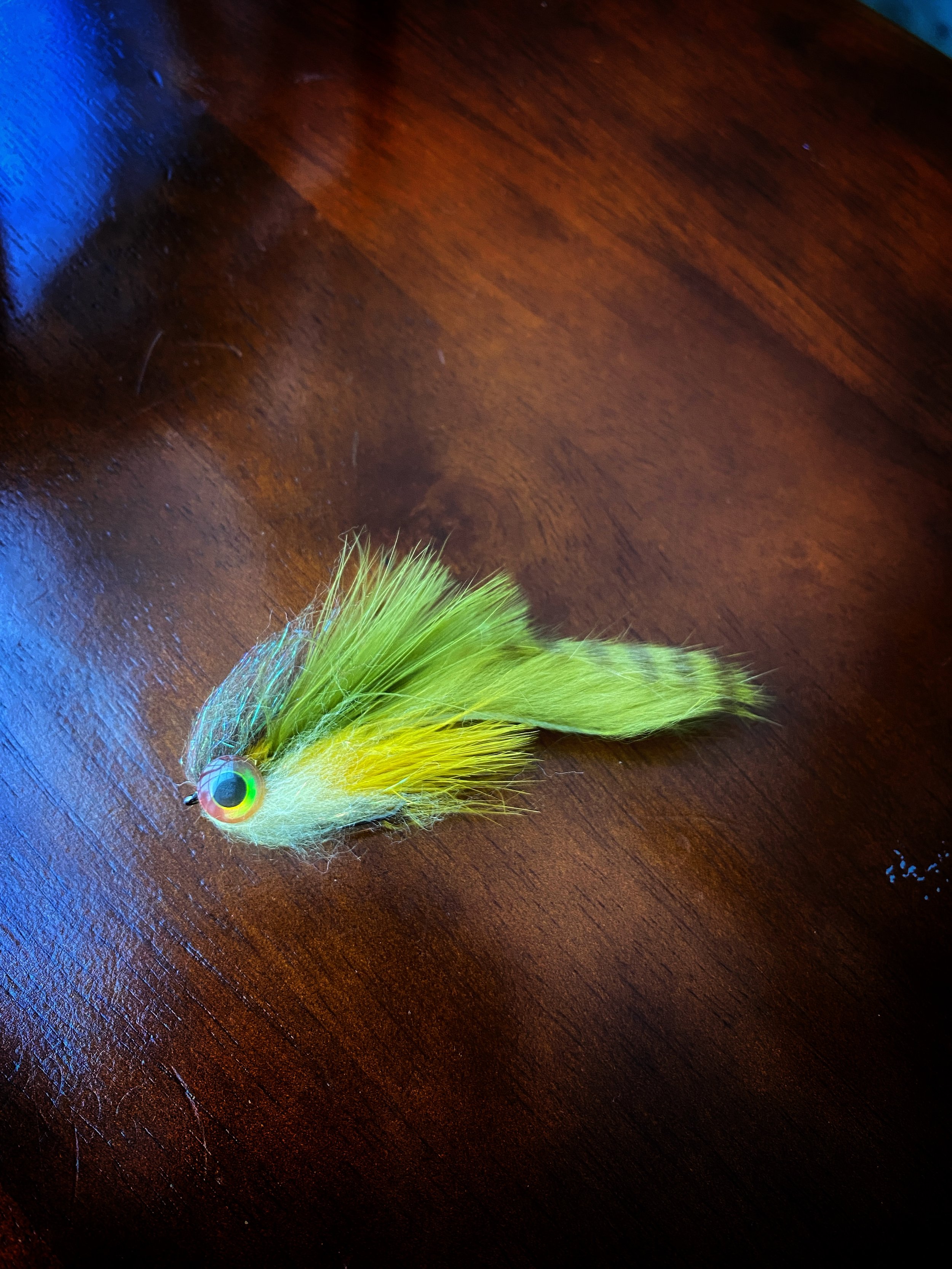
THE JACKHAMMER JR
ORIGINAL PATTERN
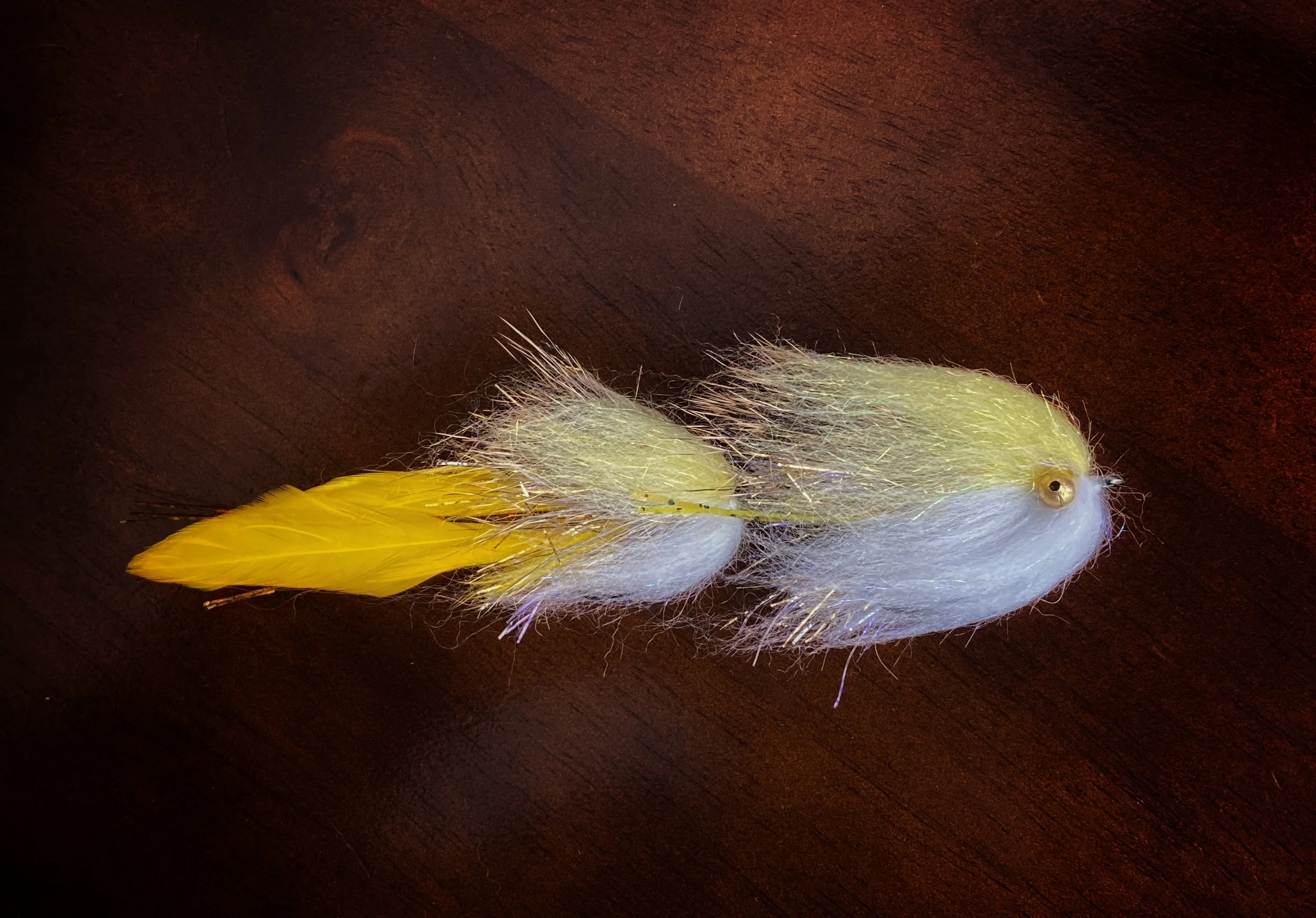
THE TRIFECTA
ORIGINAL PATTERN
STORY
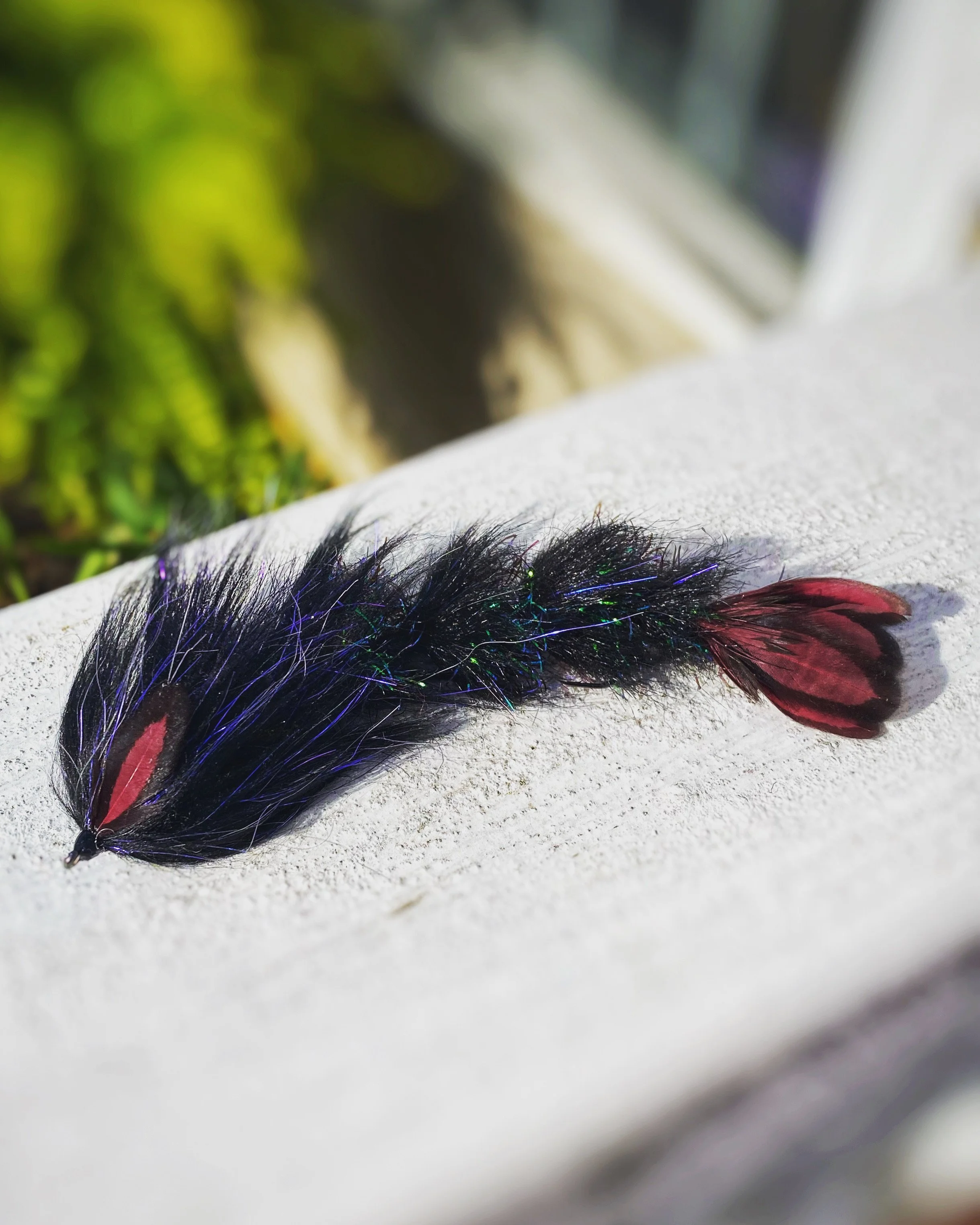
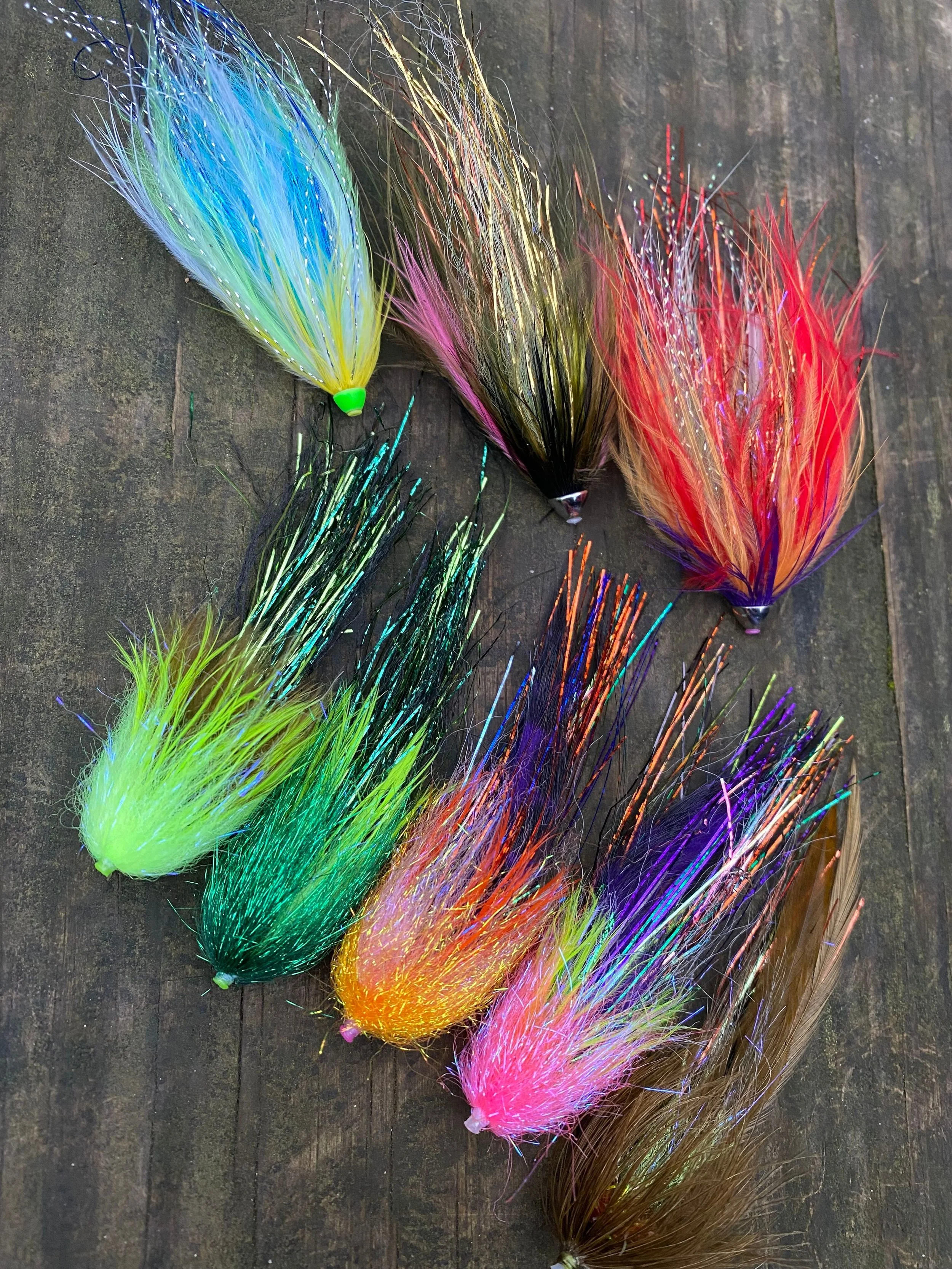
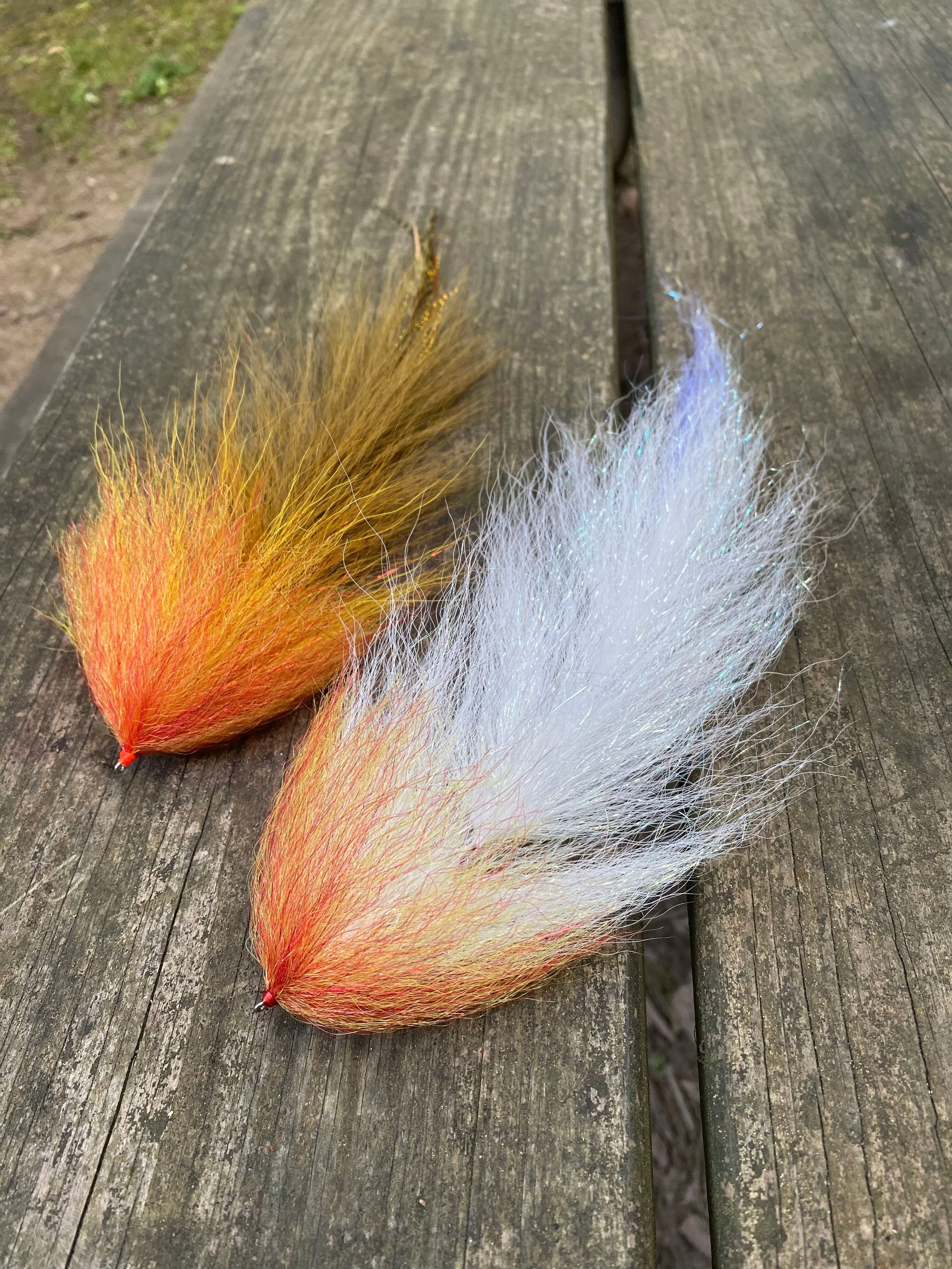
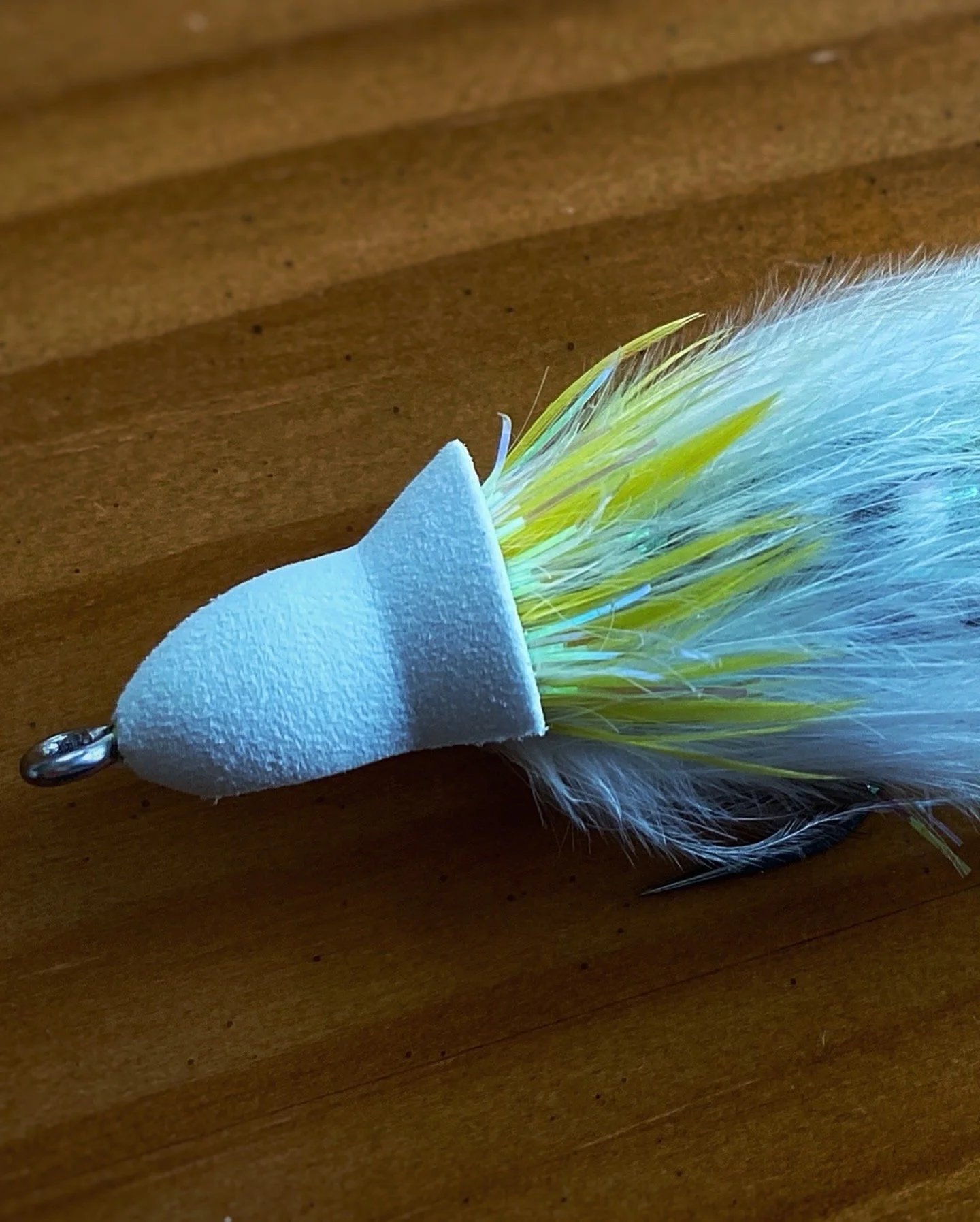
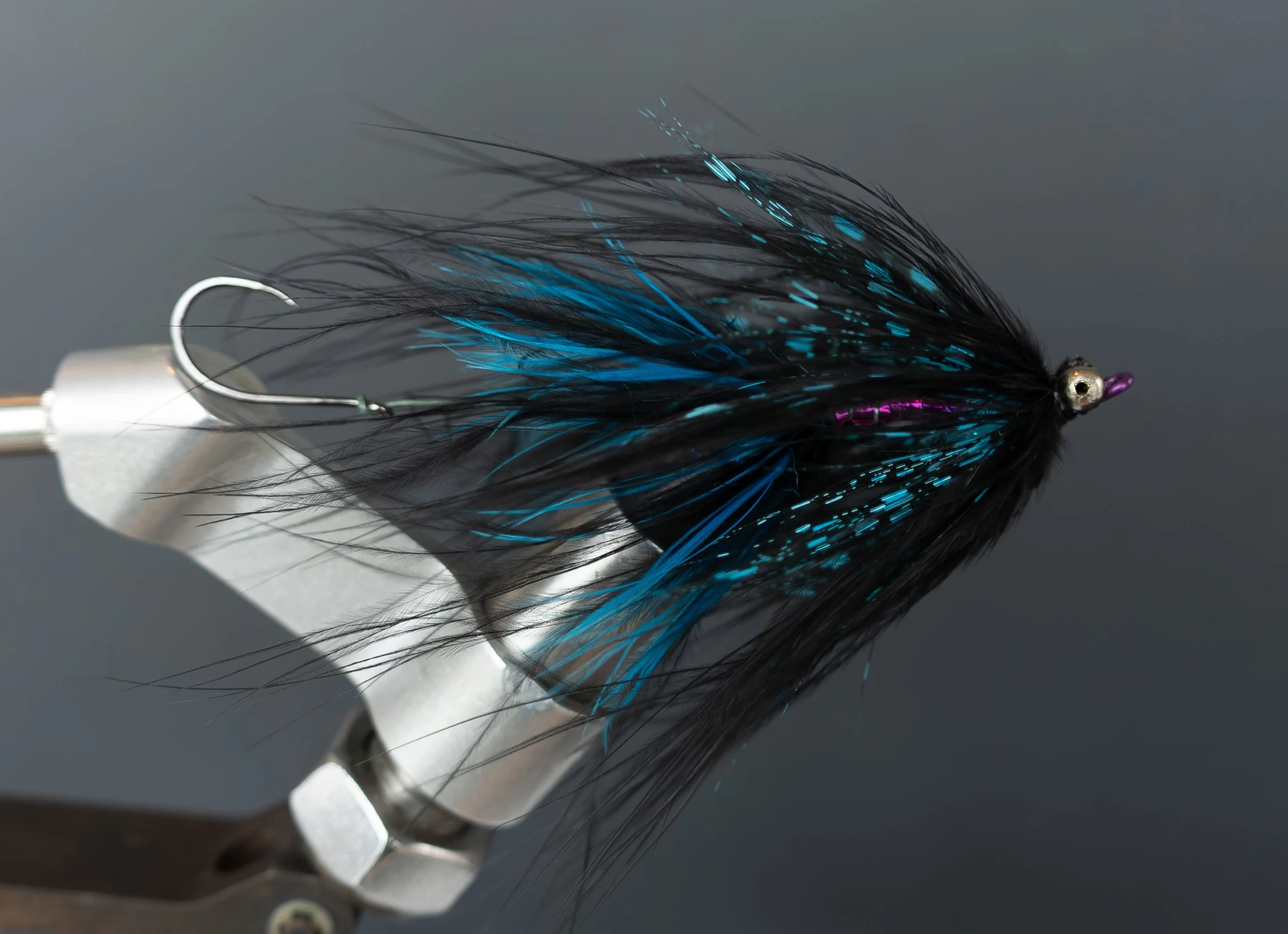
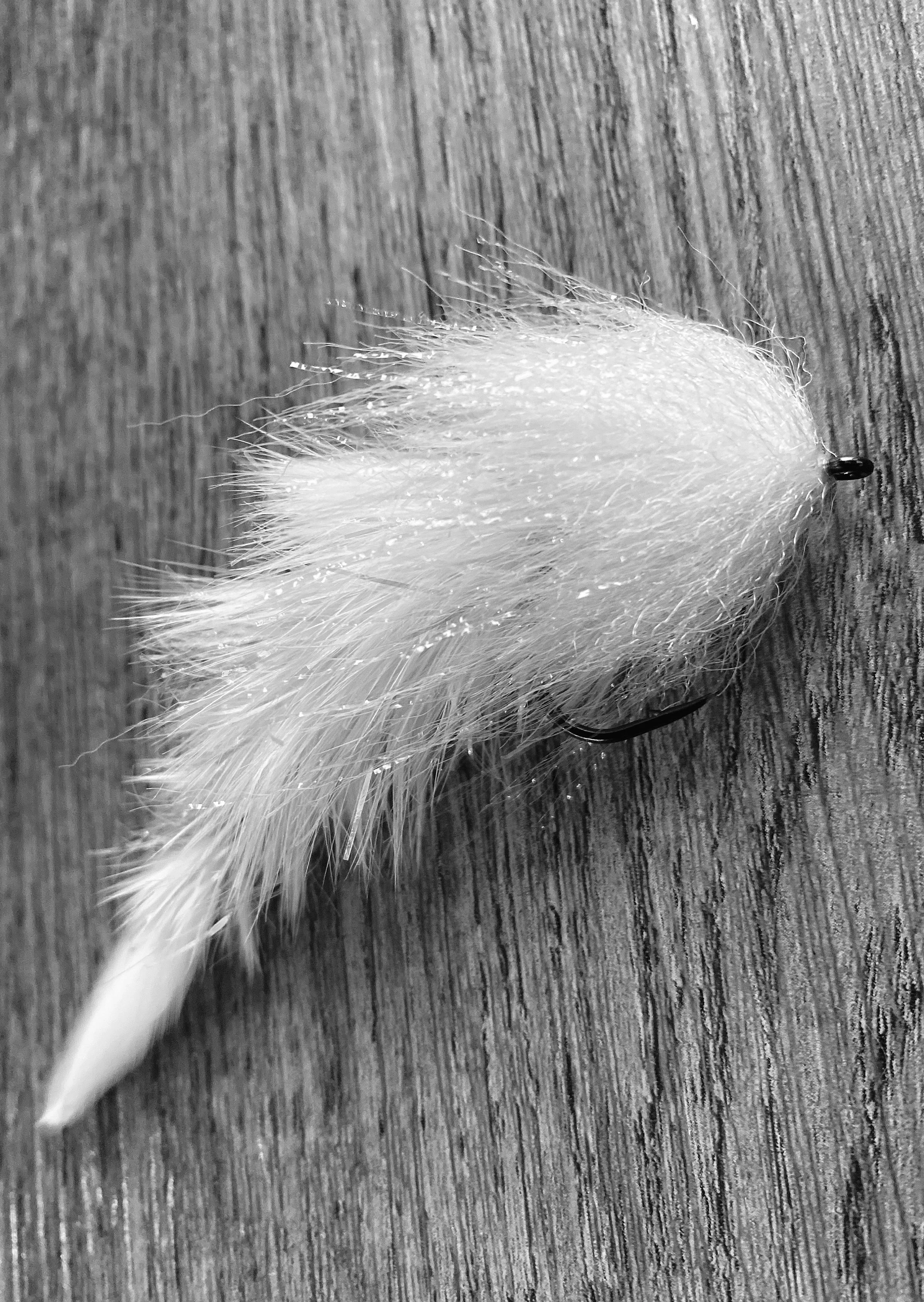
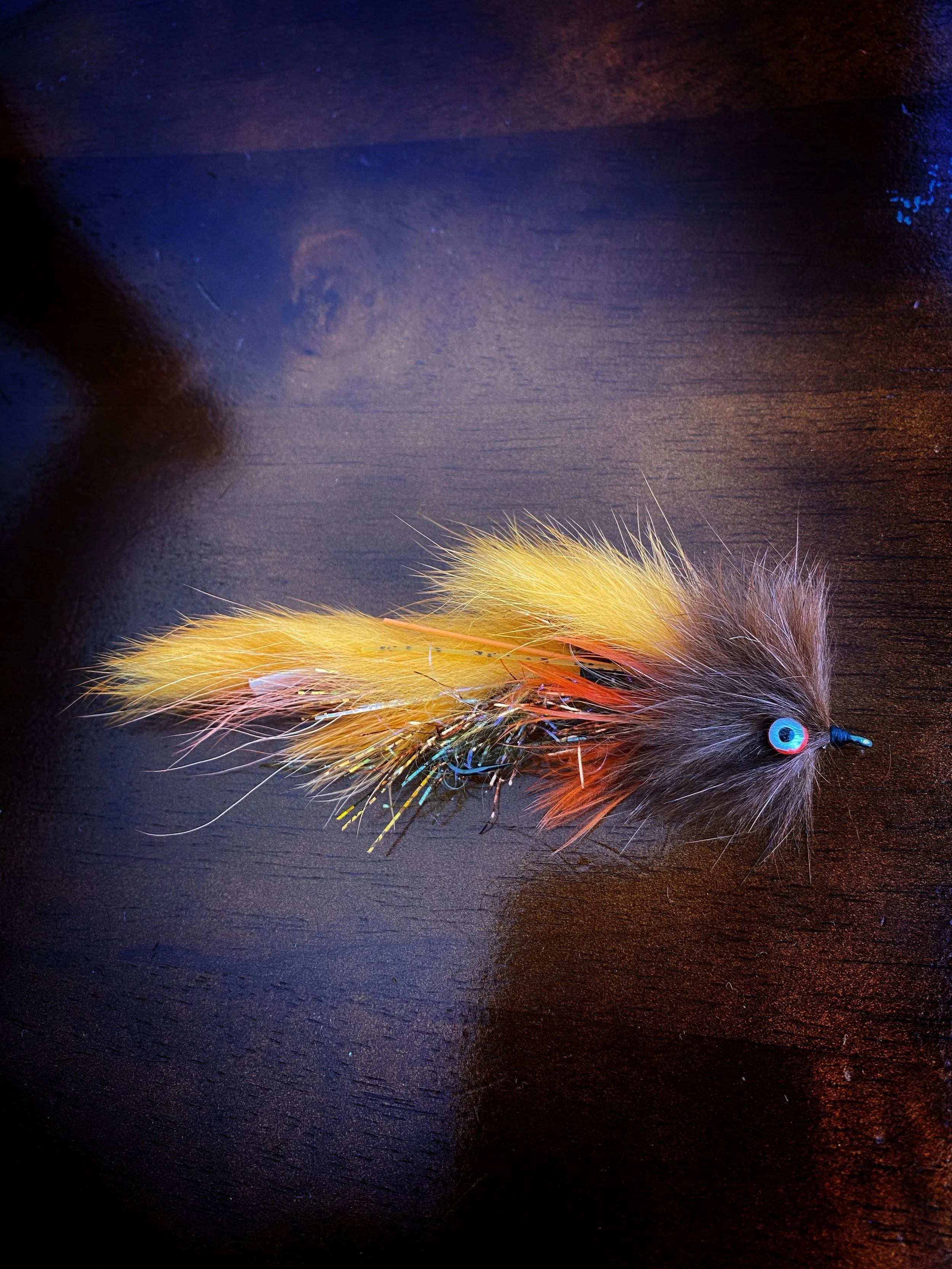
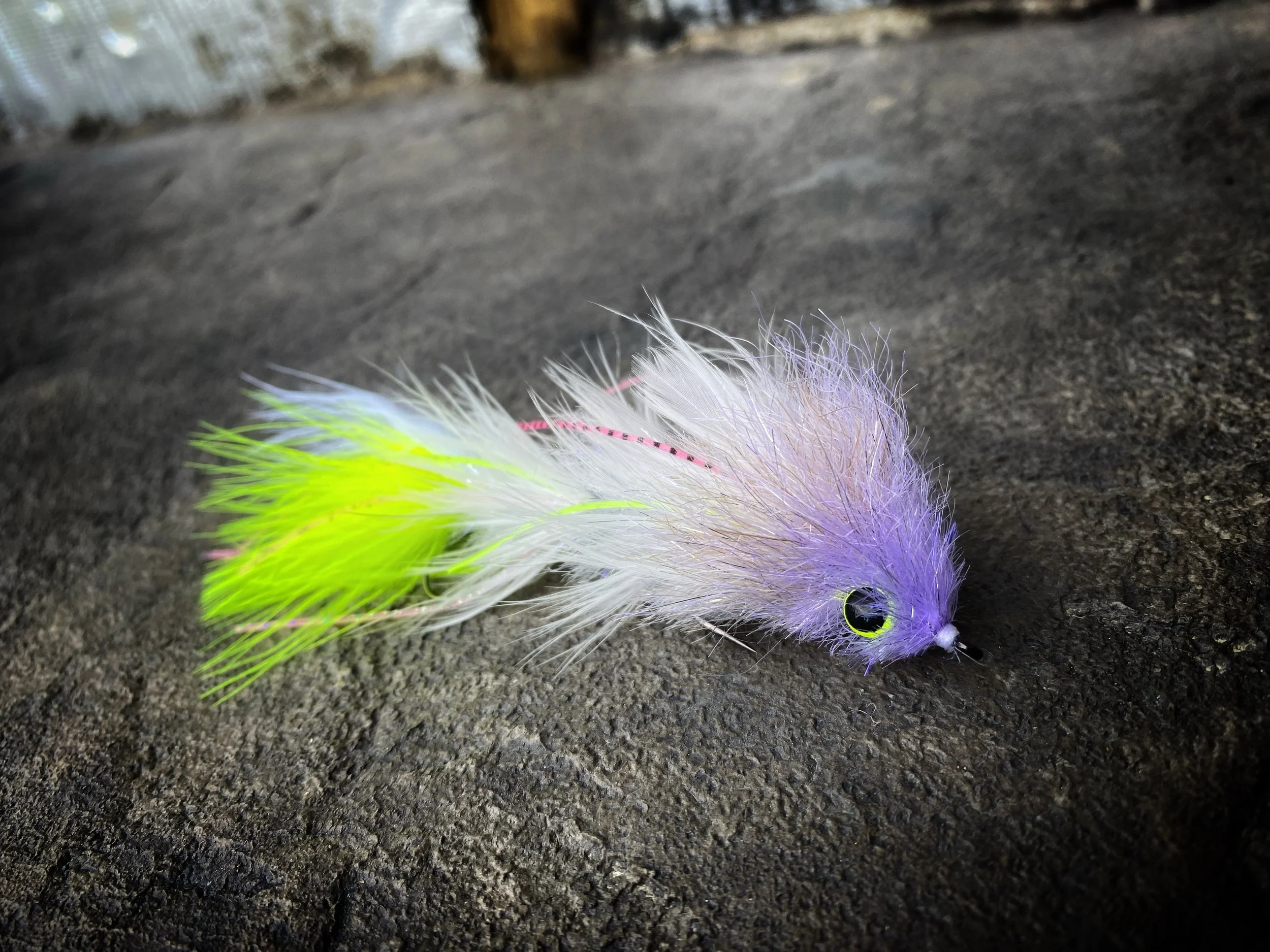
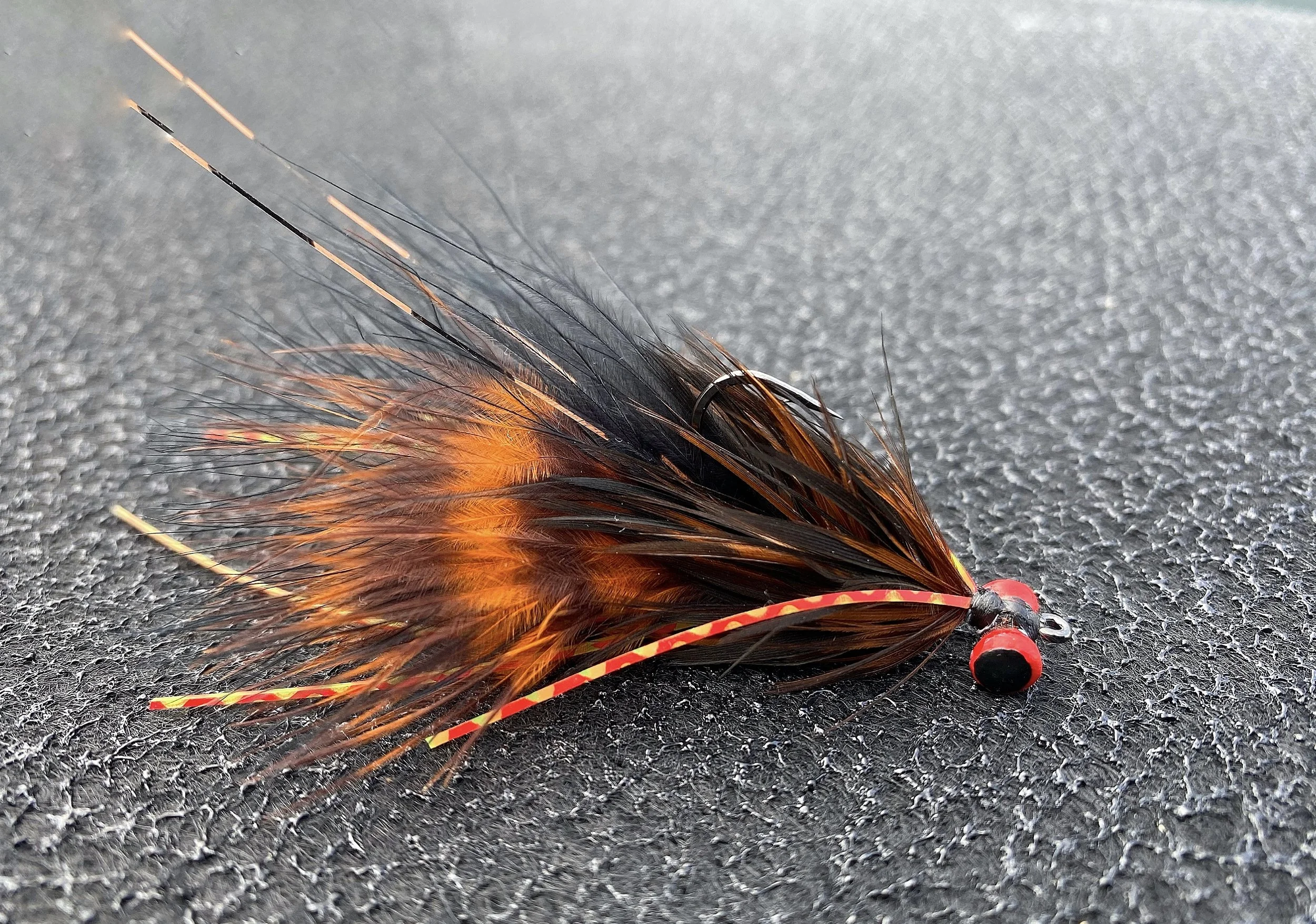
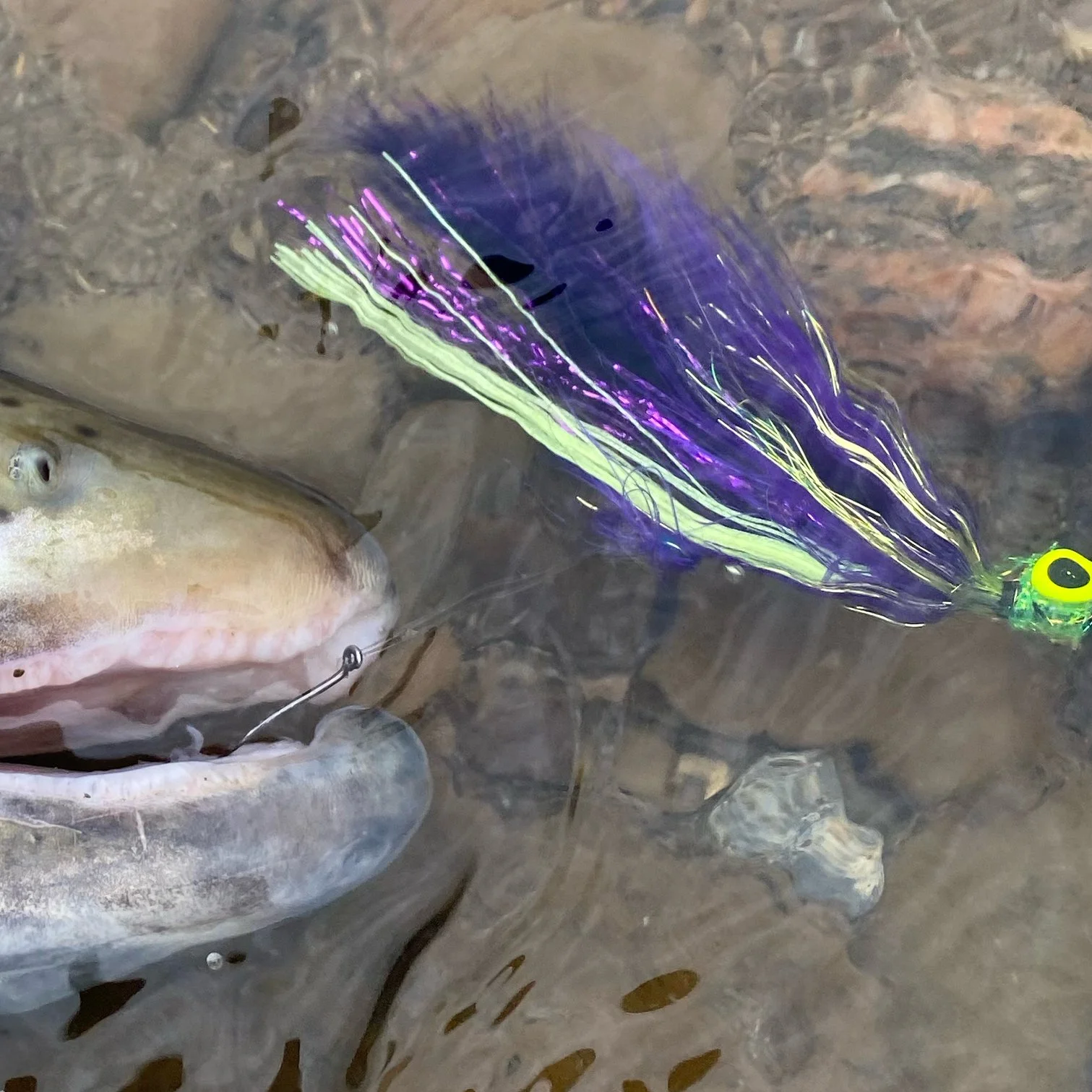
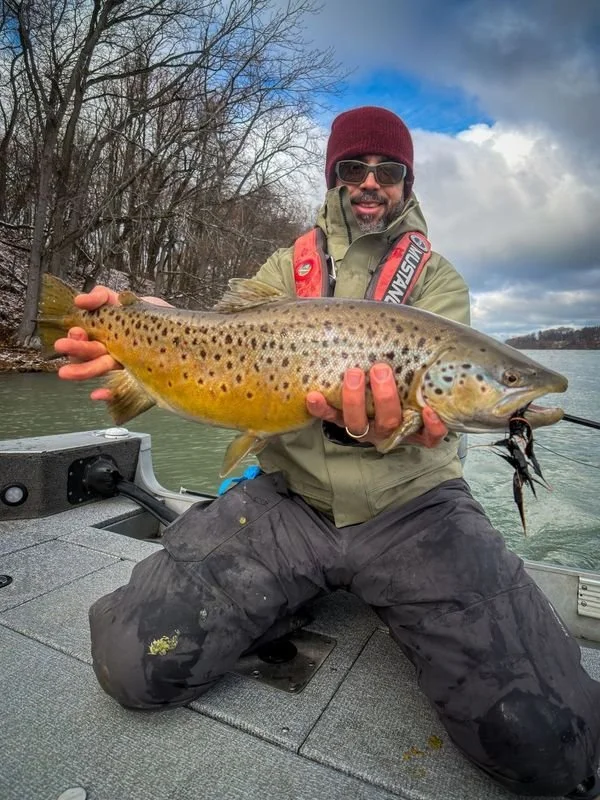
The Trifecta was created as a BIG trout fly in both senses of the word. Big as in the fly is rather large, and pushy - for gaining attention in stained conditions. Big also as in its meant for targeting big, migratory Great Lakes trout. Its done plenty of the latter since its inception, coaxing lake-run browns, rainbows, and lake trout into savage strikes in a variety of settings across multiple states.
design
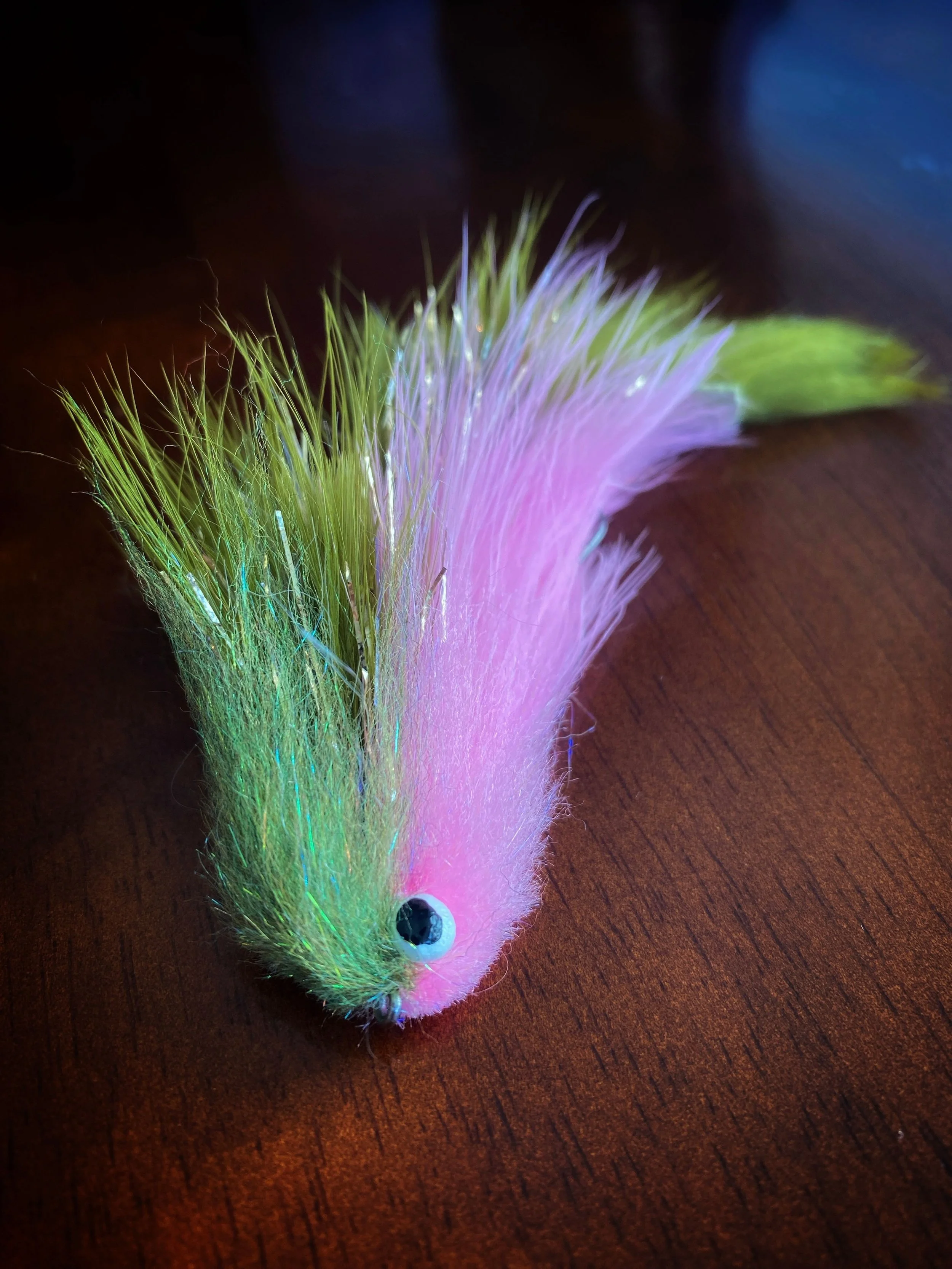
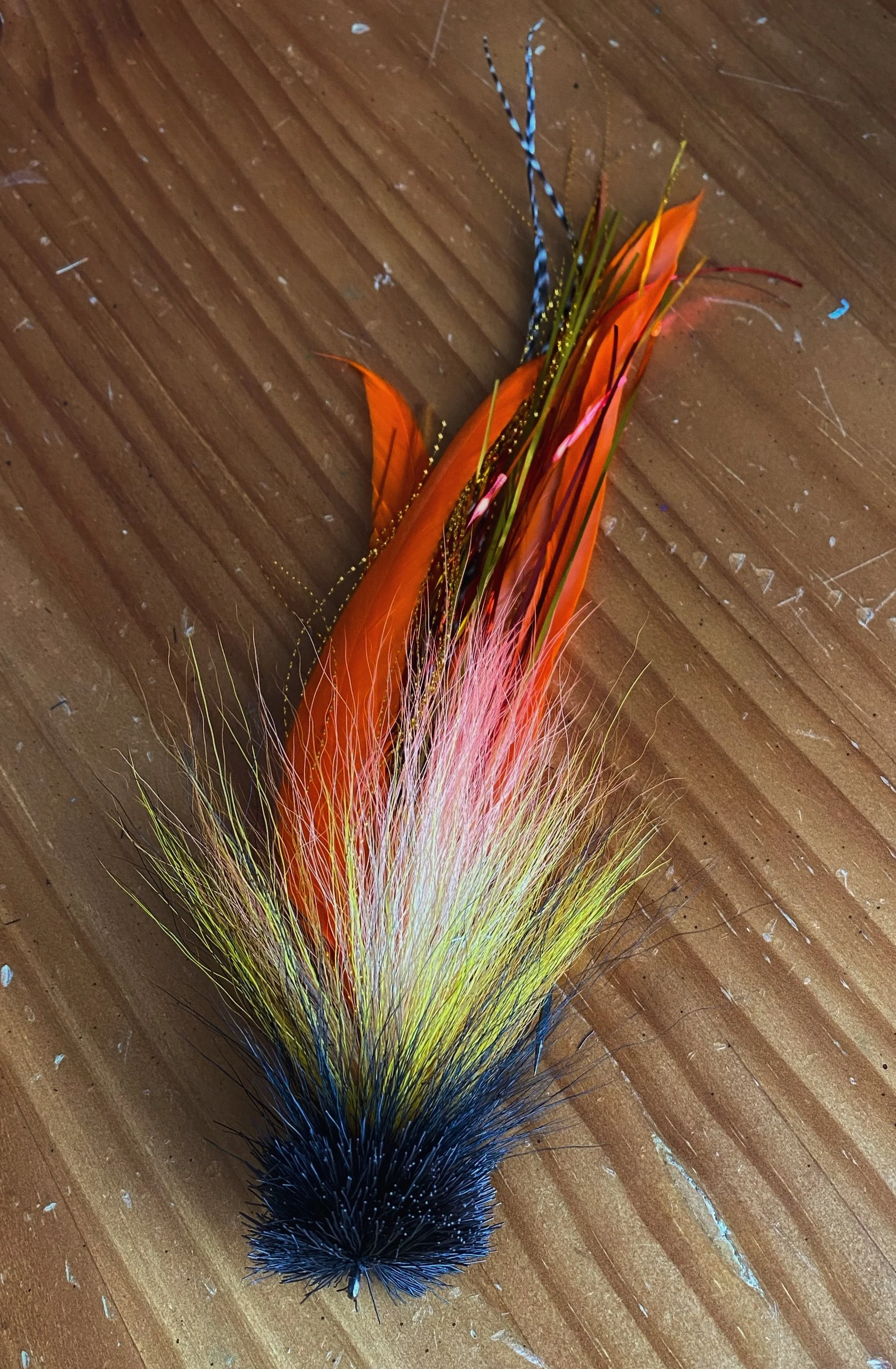
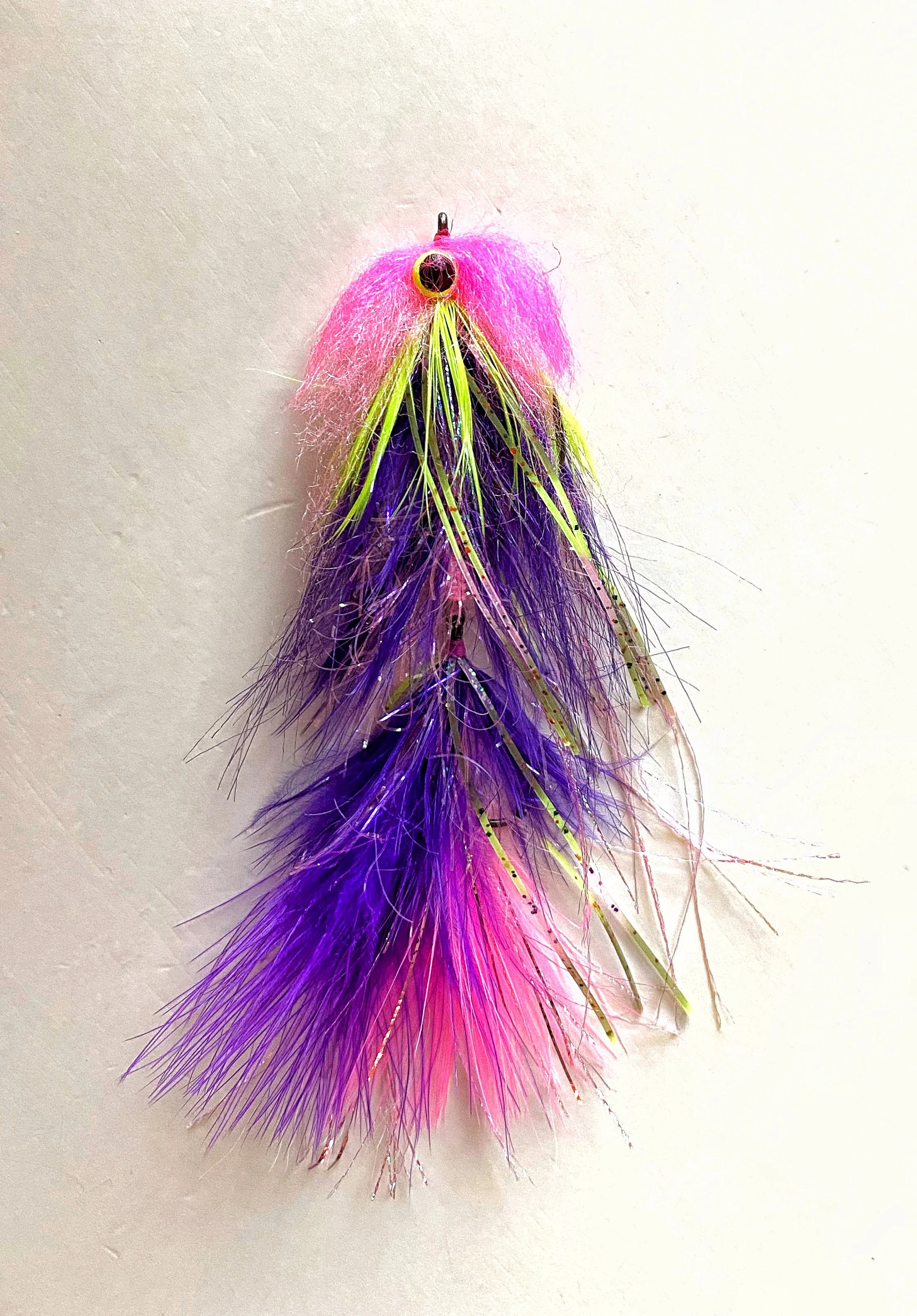
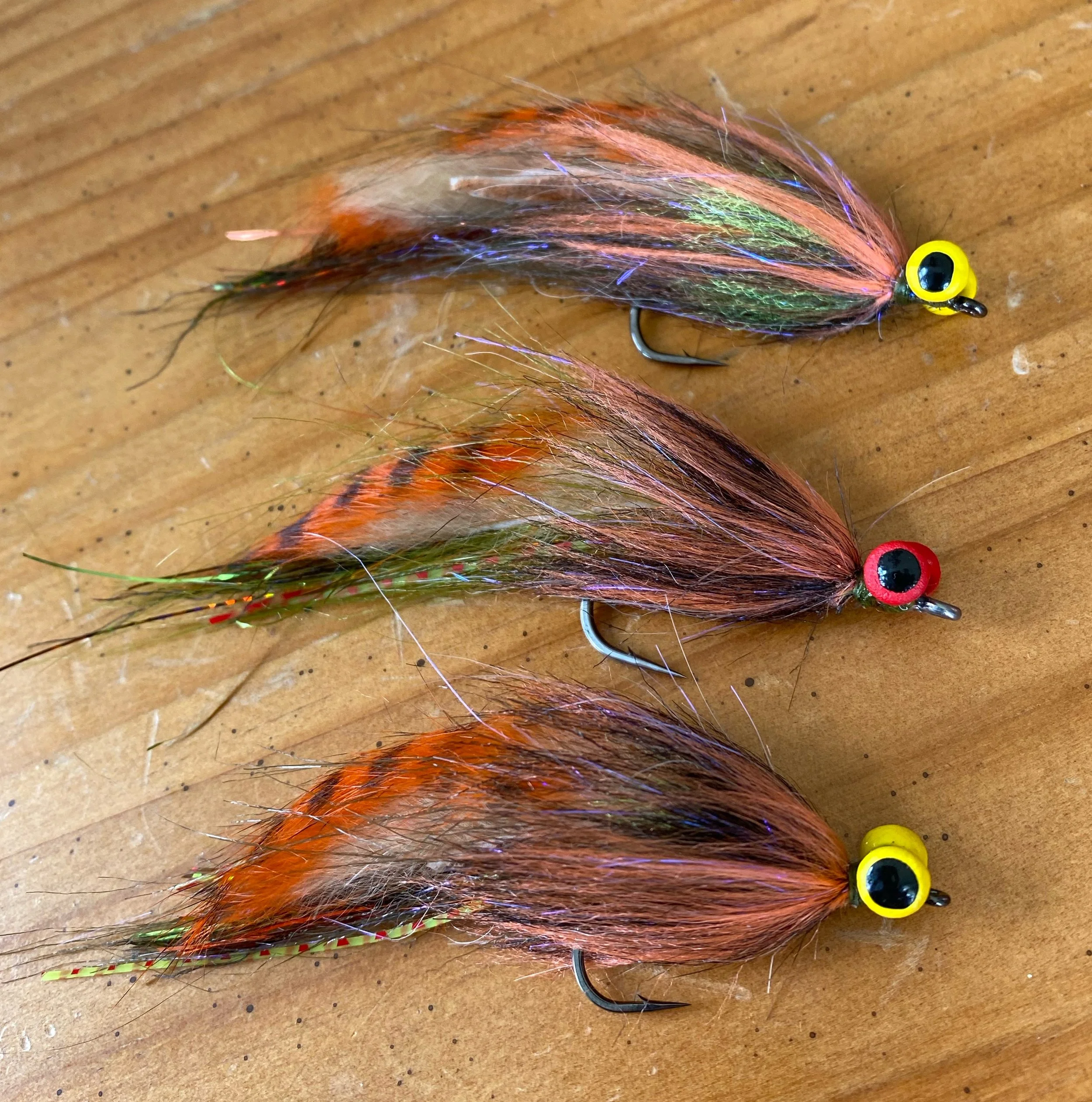
Few materials come to life underwater like rabbit strips, and the Trifecta incorporates three of them. It’s not necessarily a “more is better” thing, though. Instead, its the way in which they’re employed that makes the Trifecta extremely effective. All three strips, in a shingled format, have substantial lengths left free to swim and breathe in current.
It’s a three-piece jig fly, tied with medium lead eyes up front, that’s bestowed with excellent wiggle and movement thanks to those rabbit strips and a subtle taper built through the underside of each segment. The optimal template has been a size 2 hook in the rear, a 17mm shank in the middle, and a size 1 hook up front.

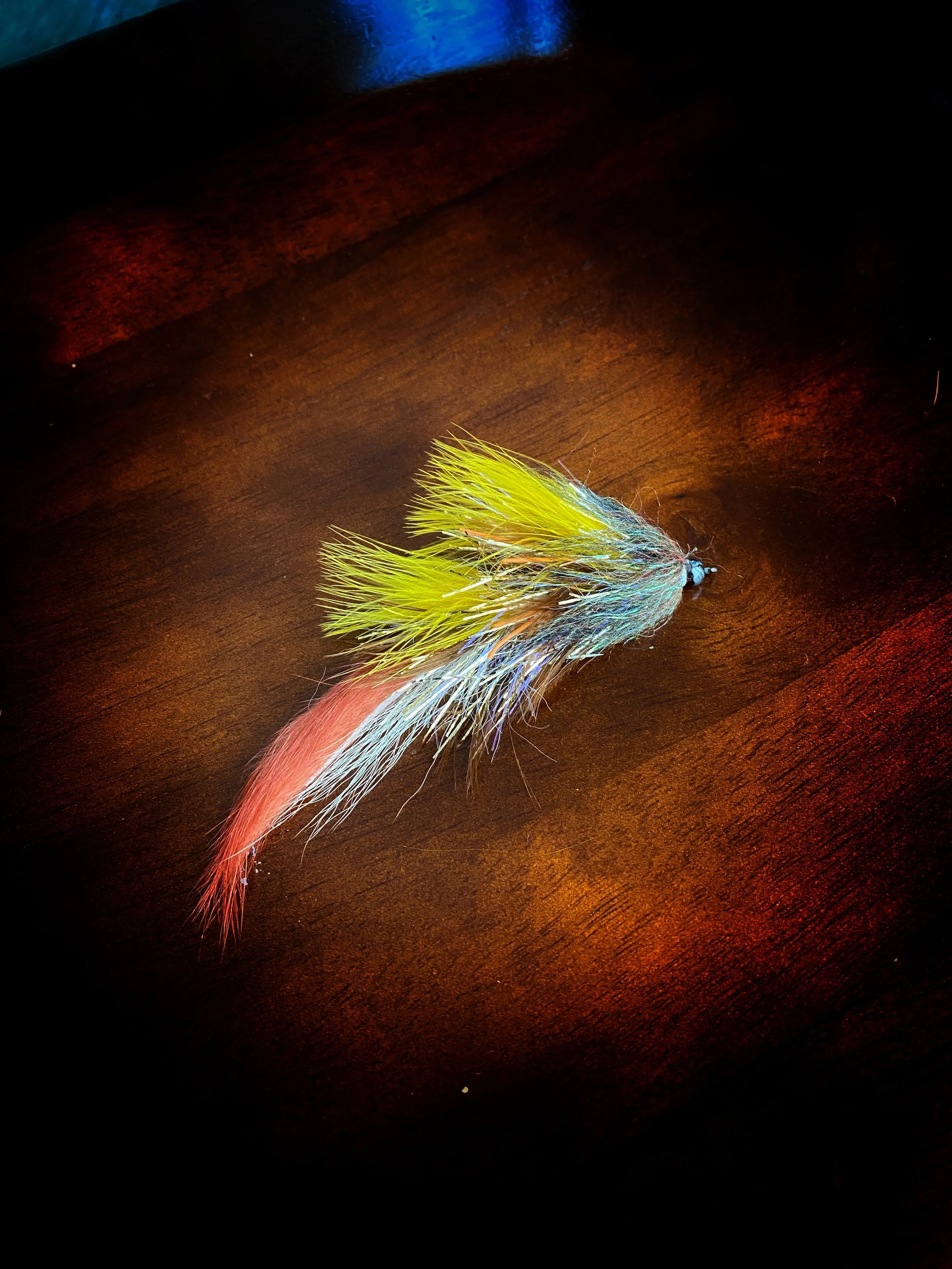
THE BOU CRAW
ORIGINAL PATTERN
STORY
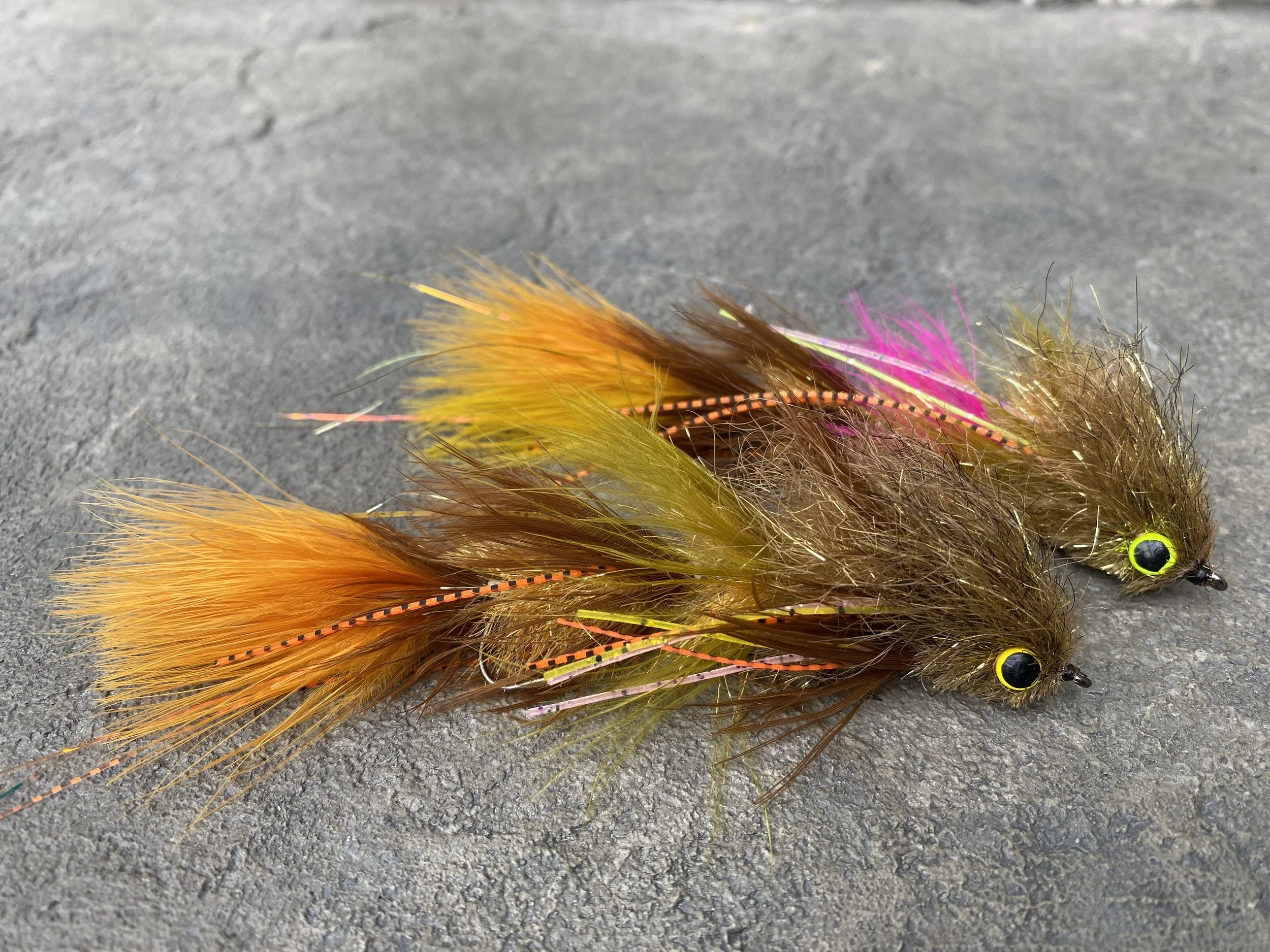
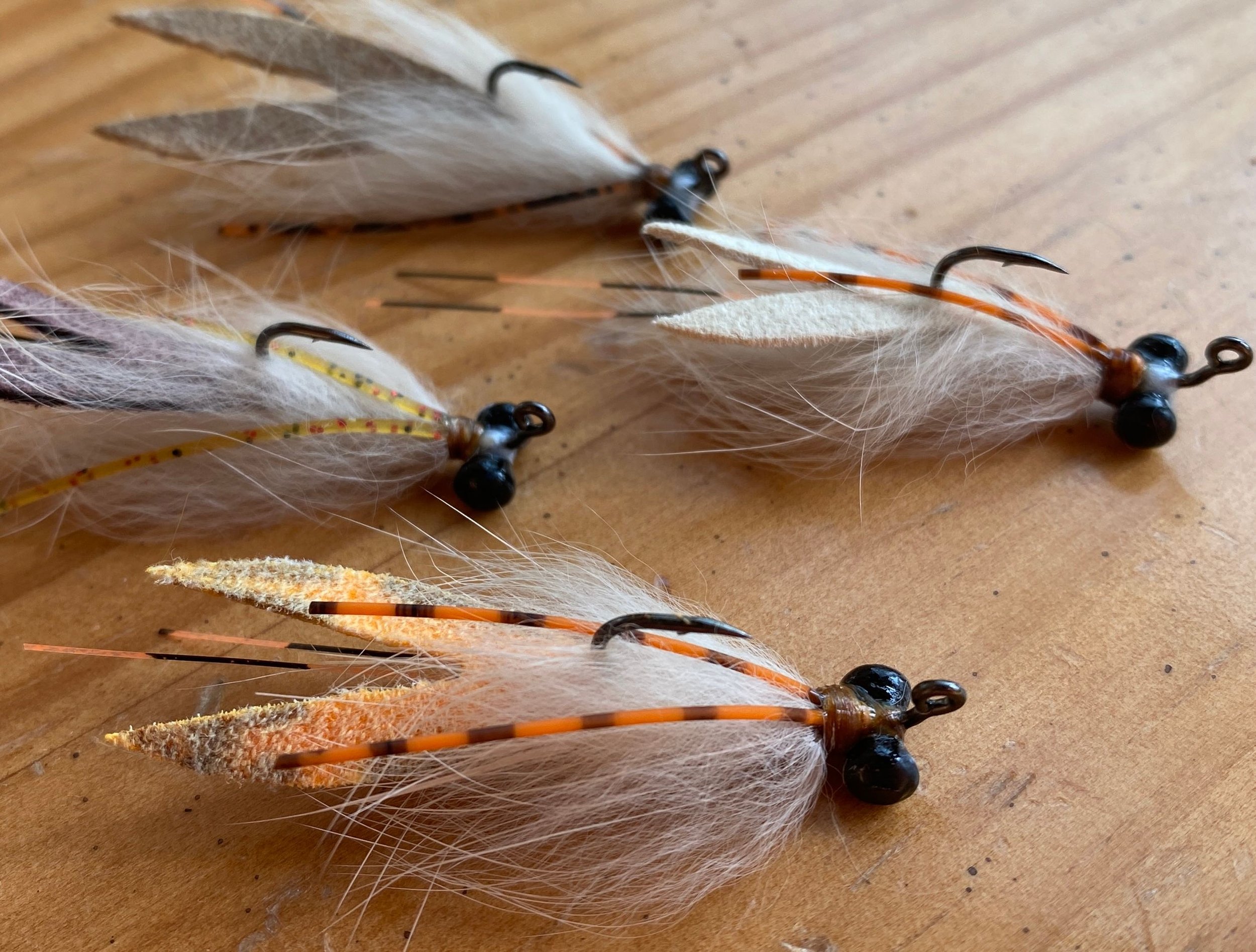
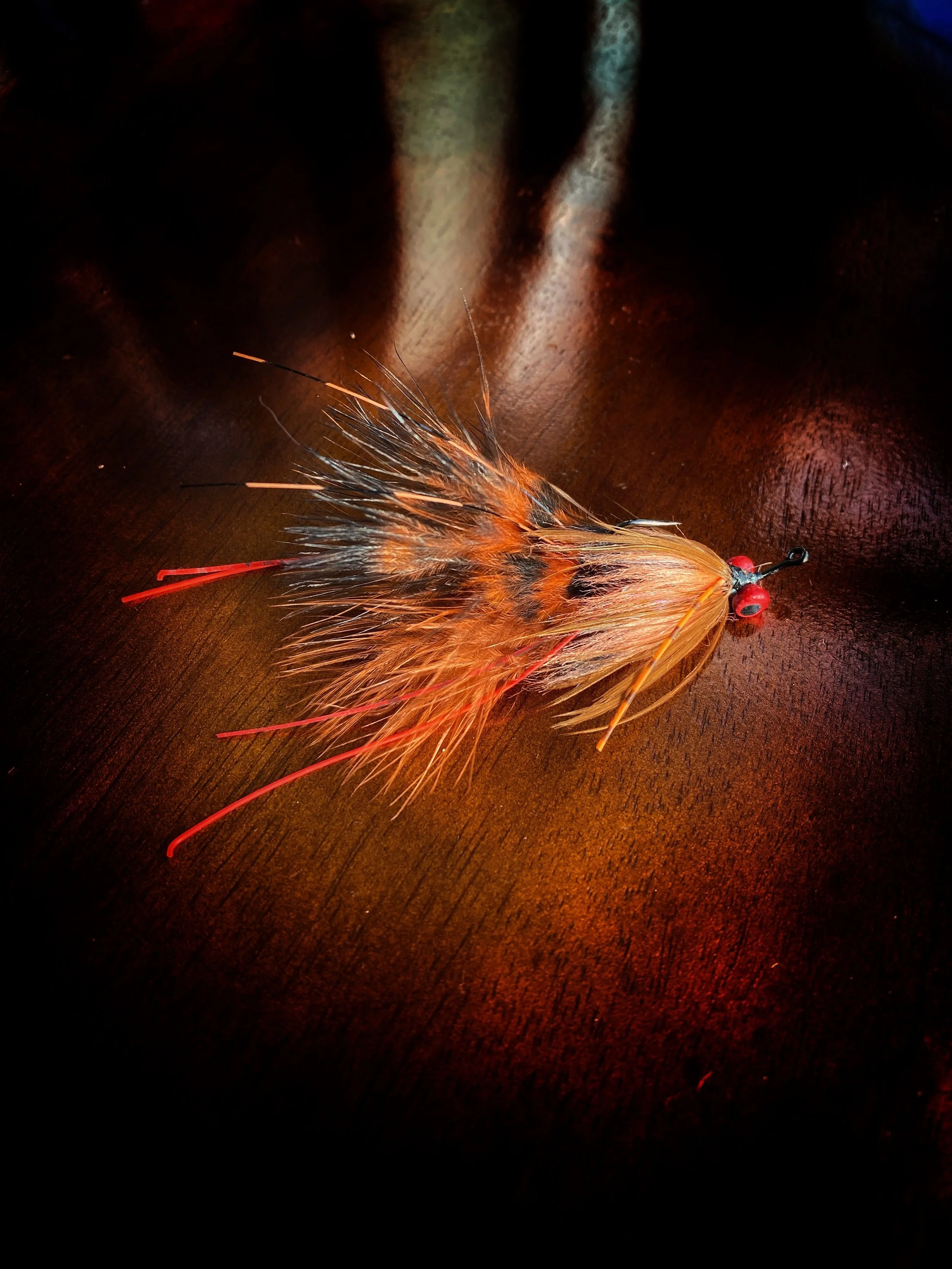
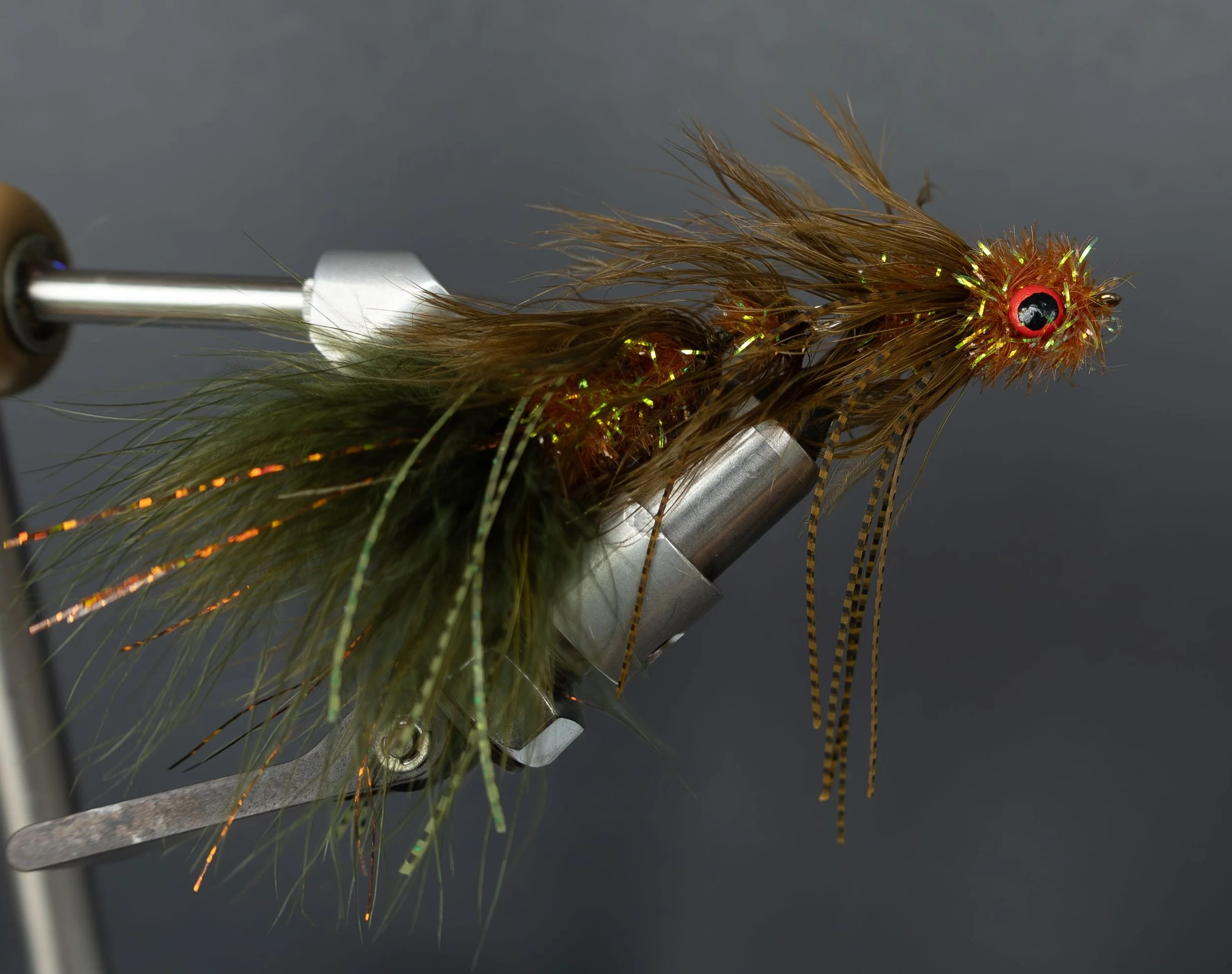
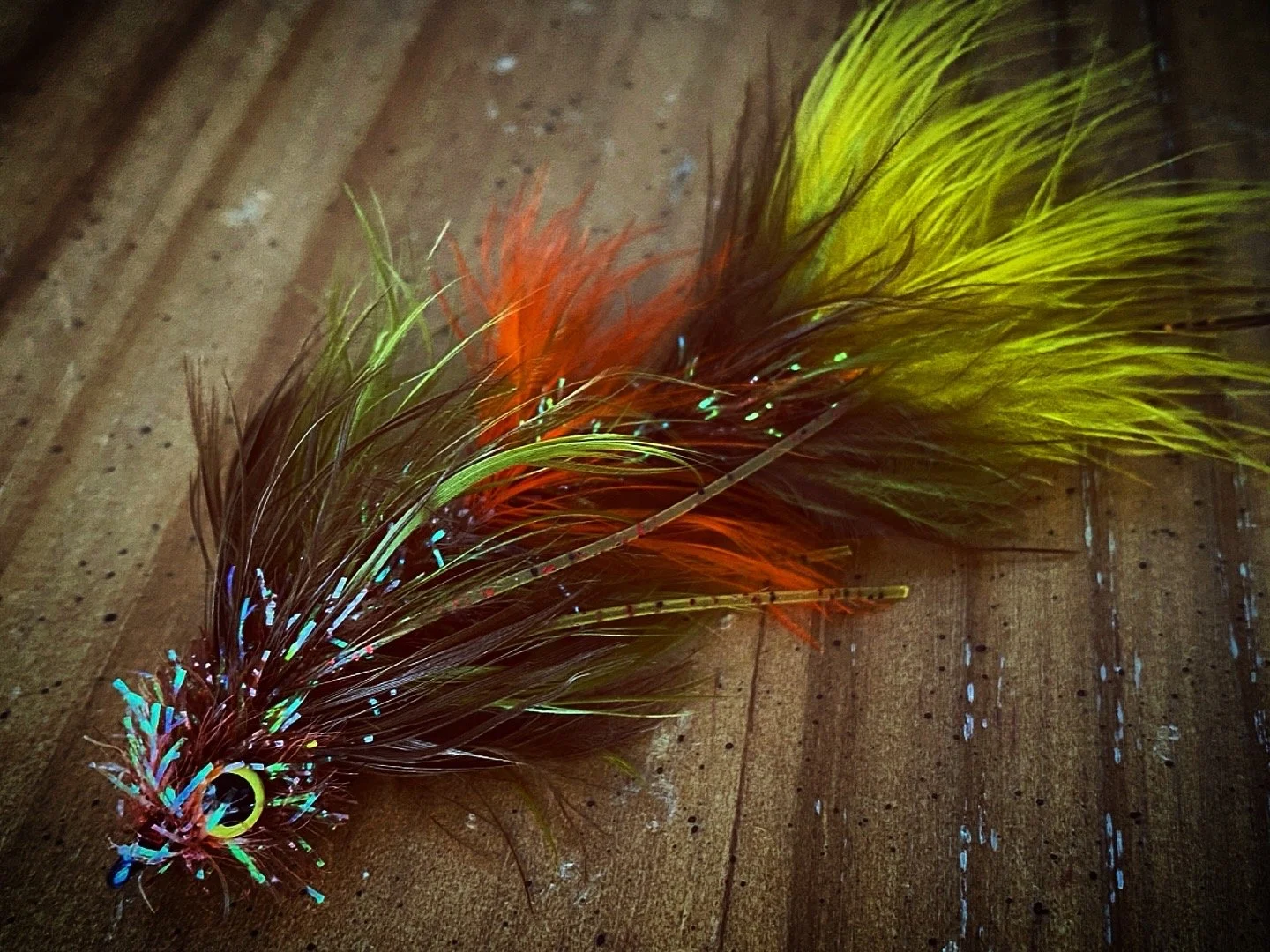
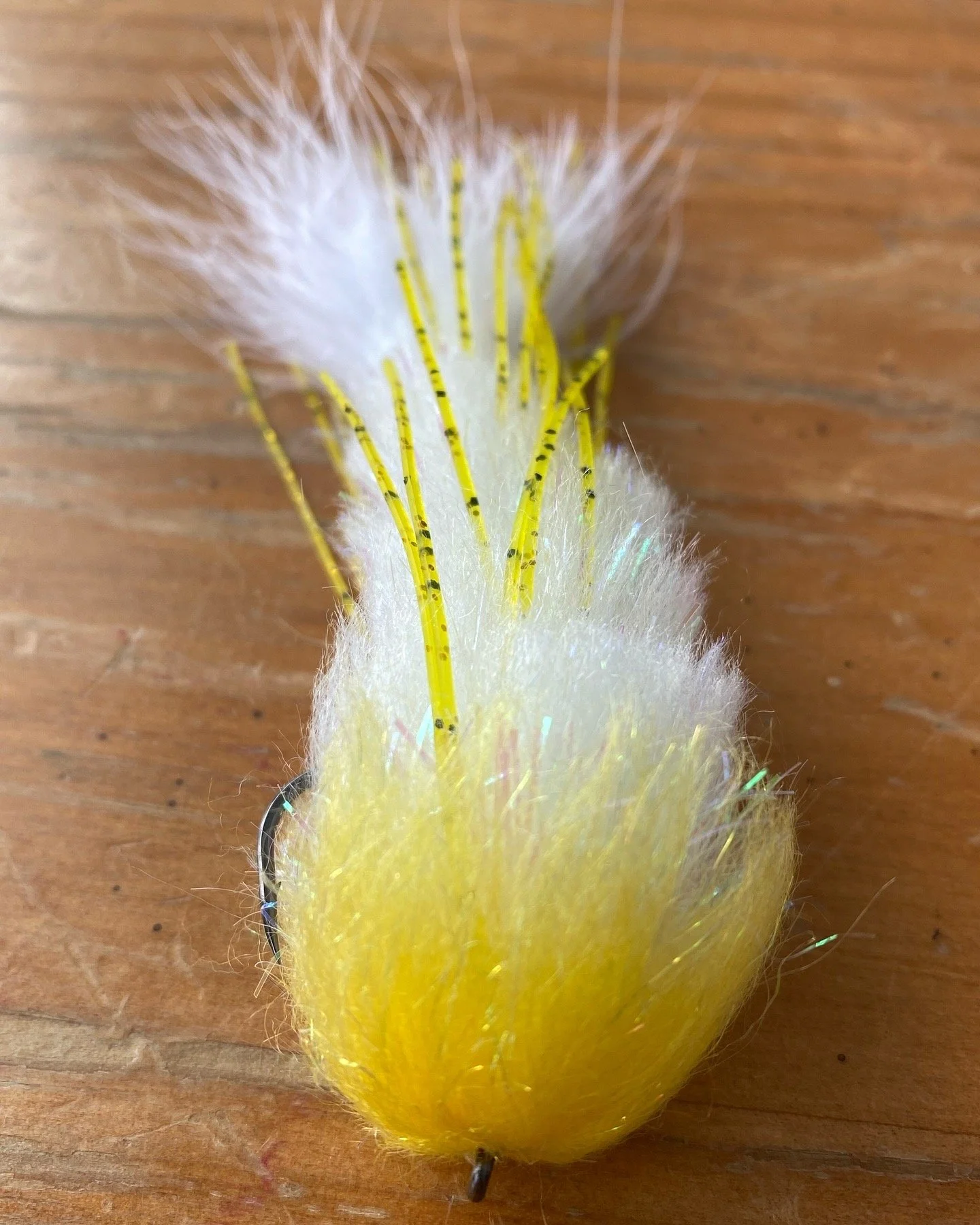
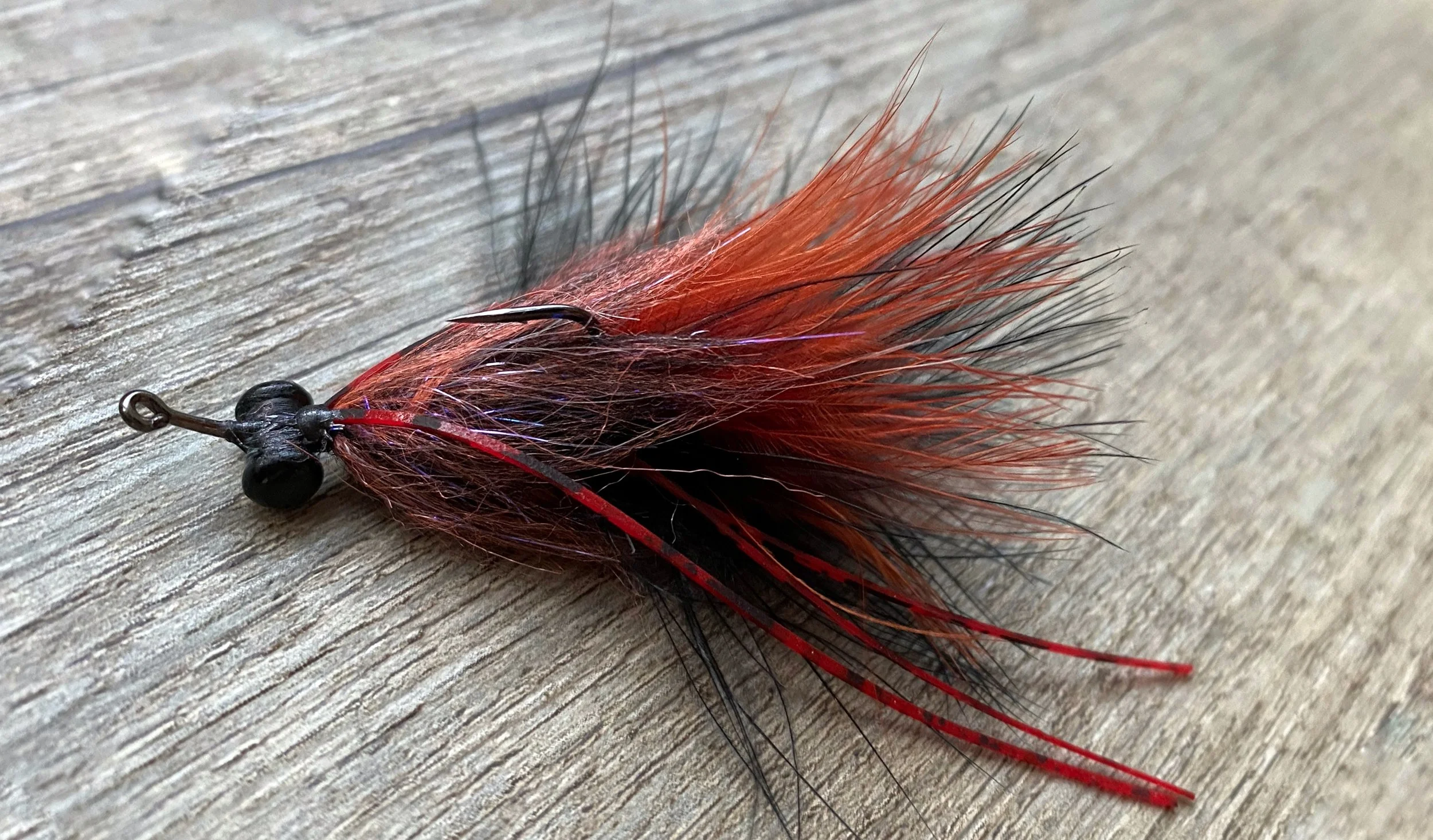
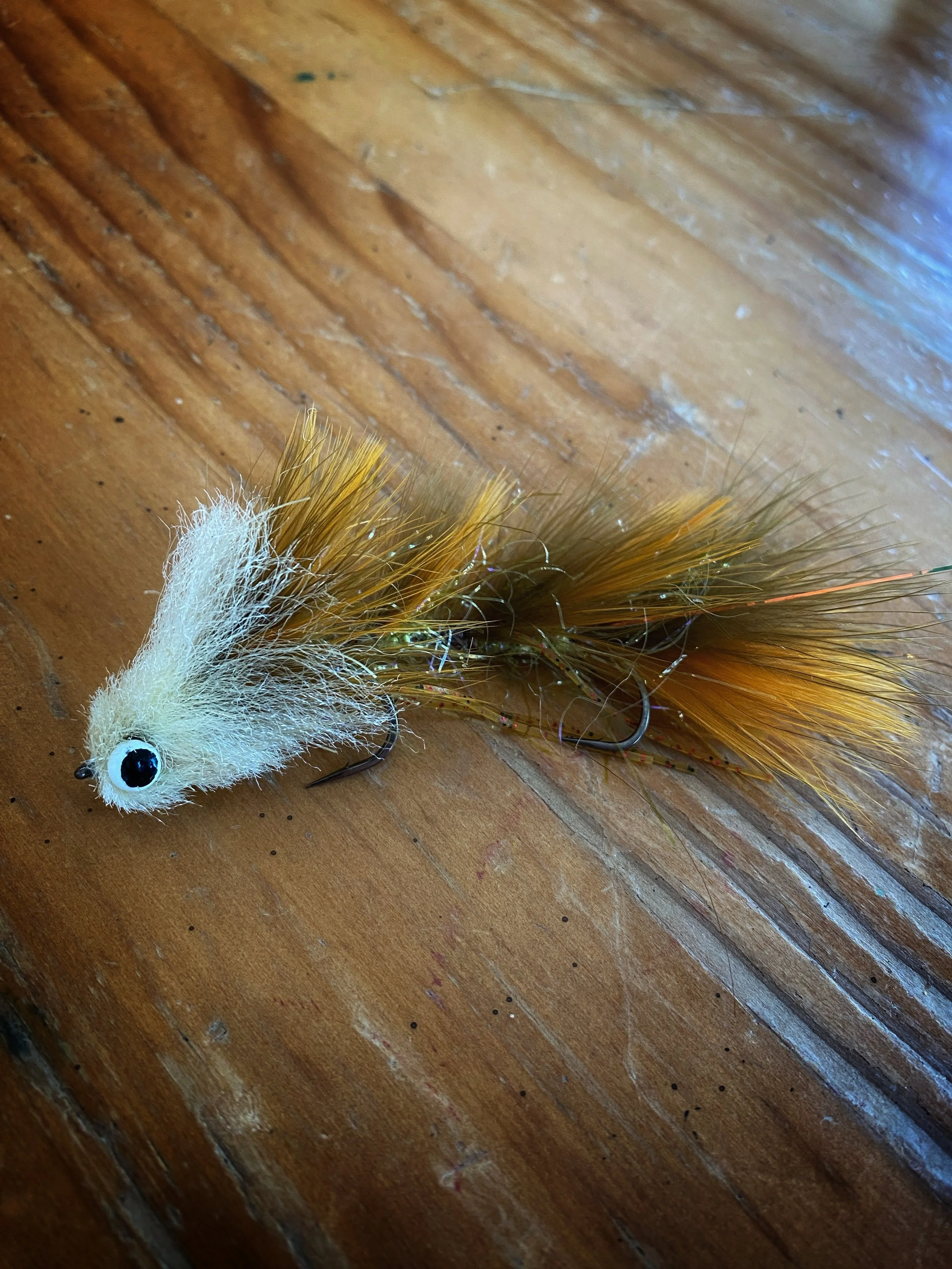
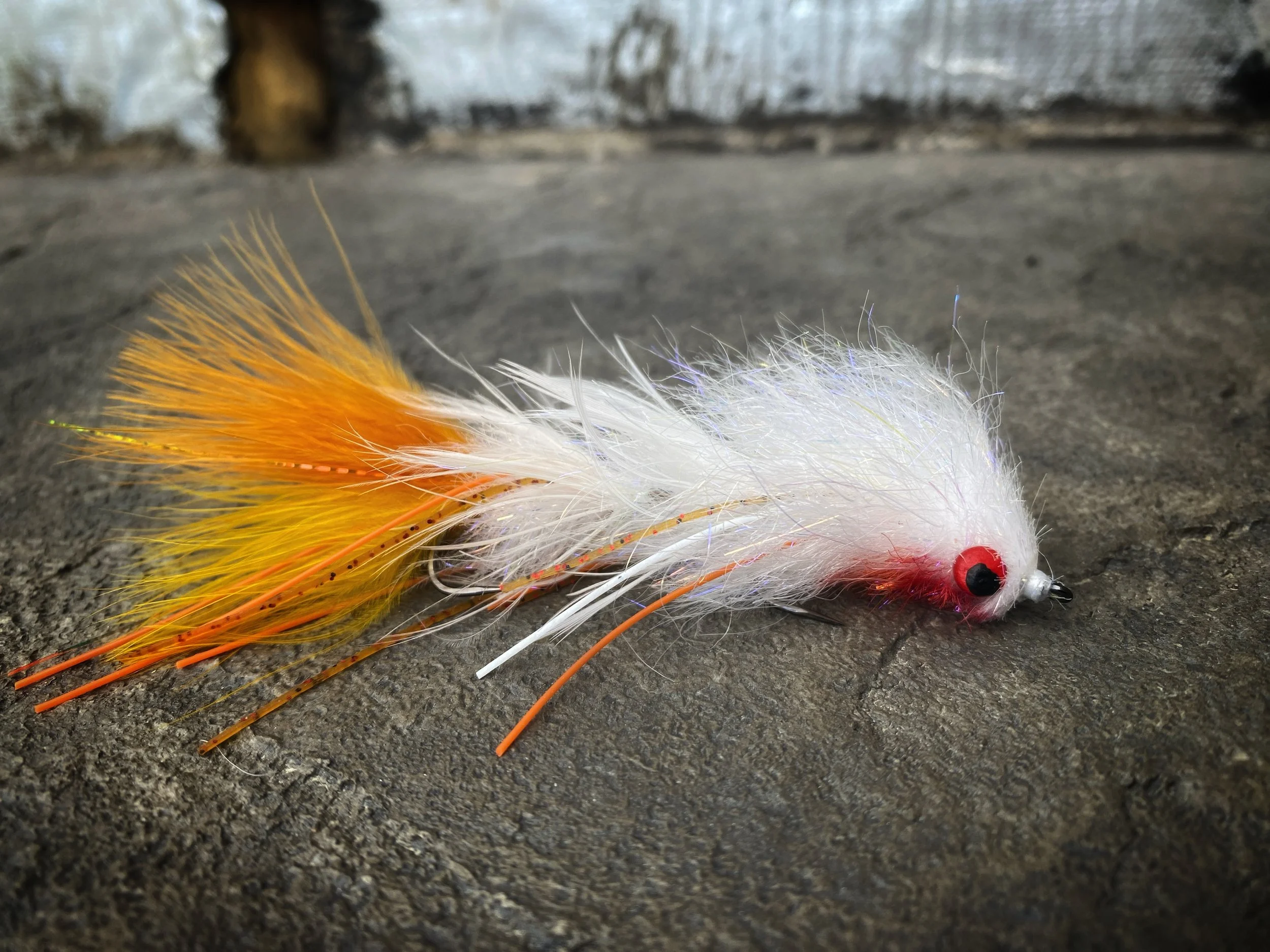
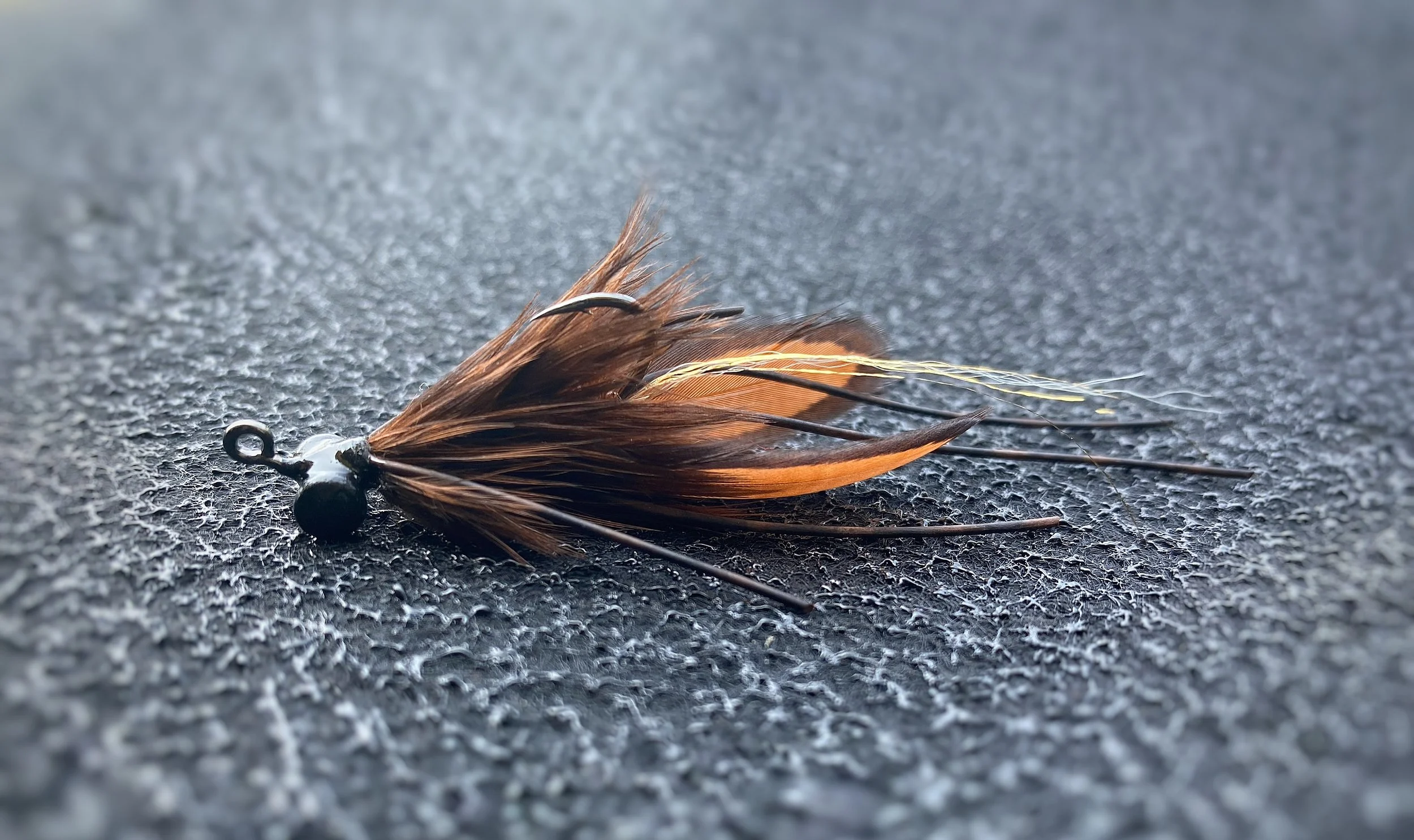
The Bou Craw was created as a more economical alternative to the many crayfish patterns on the market. Its a quick, cheap tie that anglers can fish low and slow without worrying too much about losing. This simple, yet highly effective fly was designed for river smallmouth bass, but its caught a variety of other species as well.
design
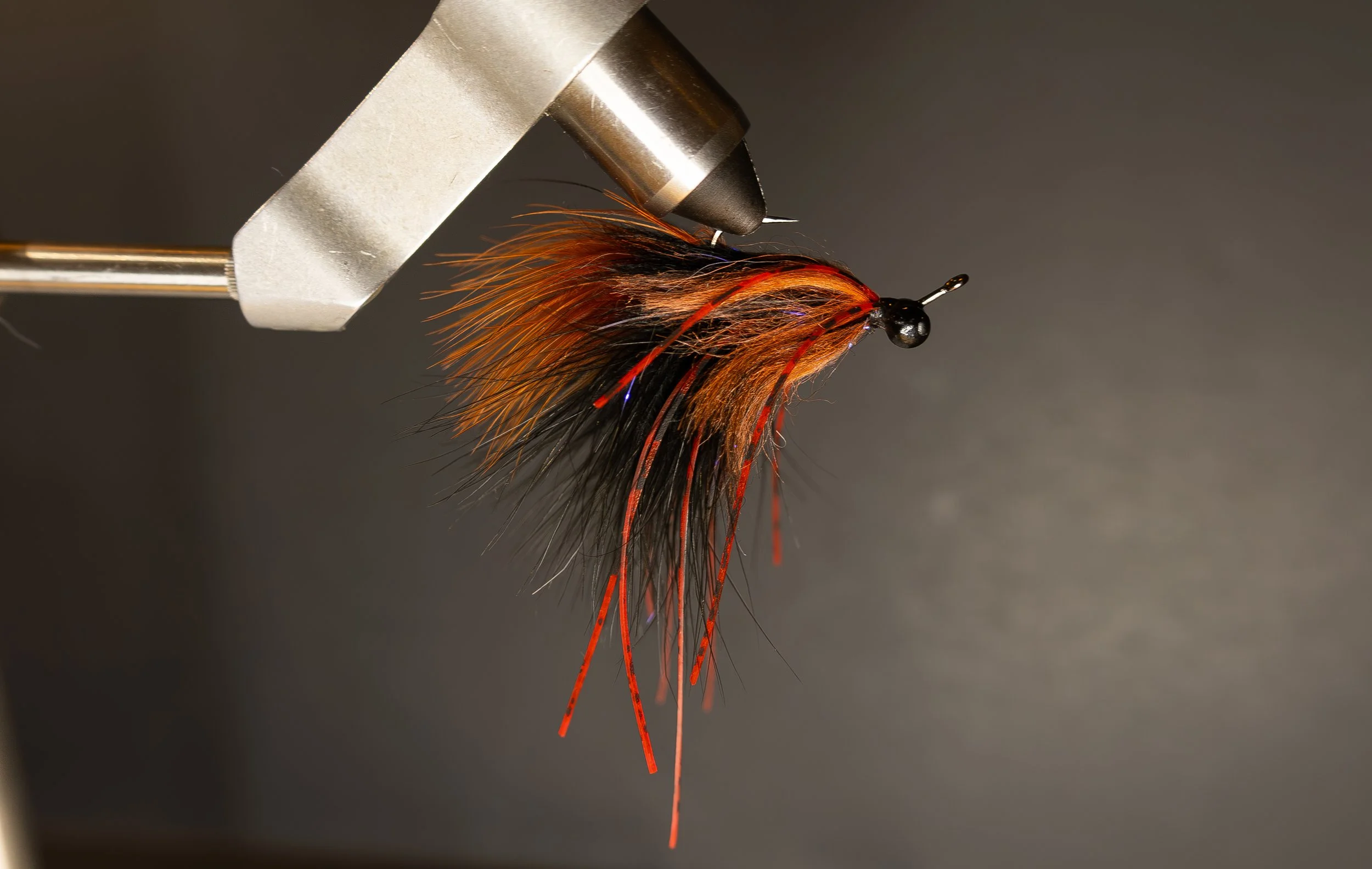
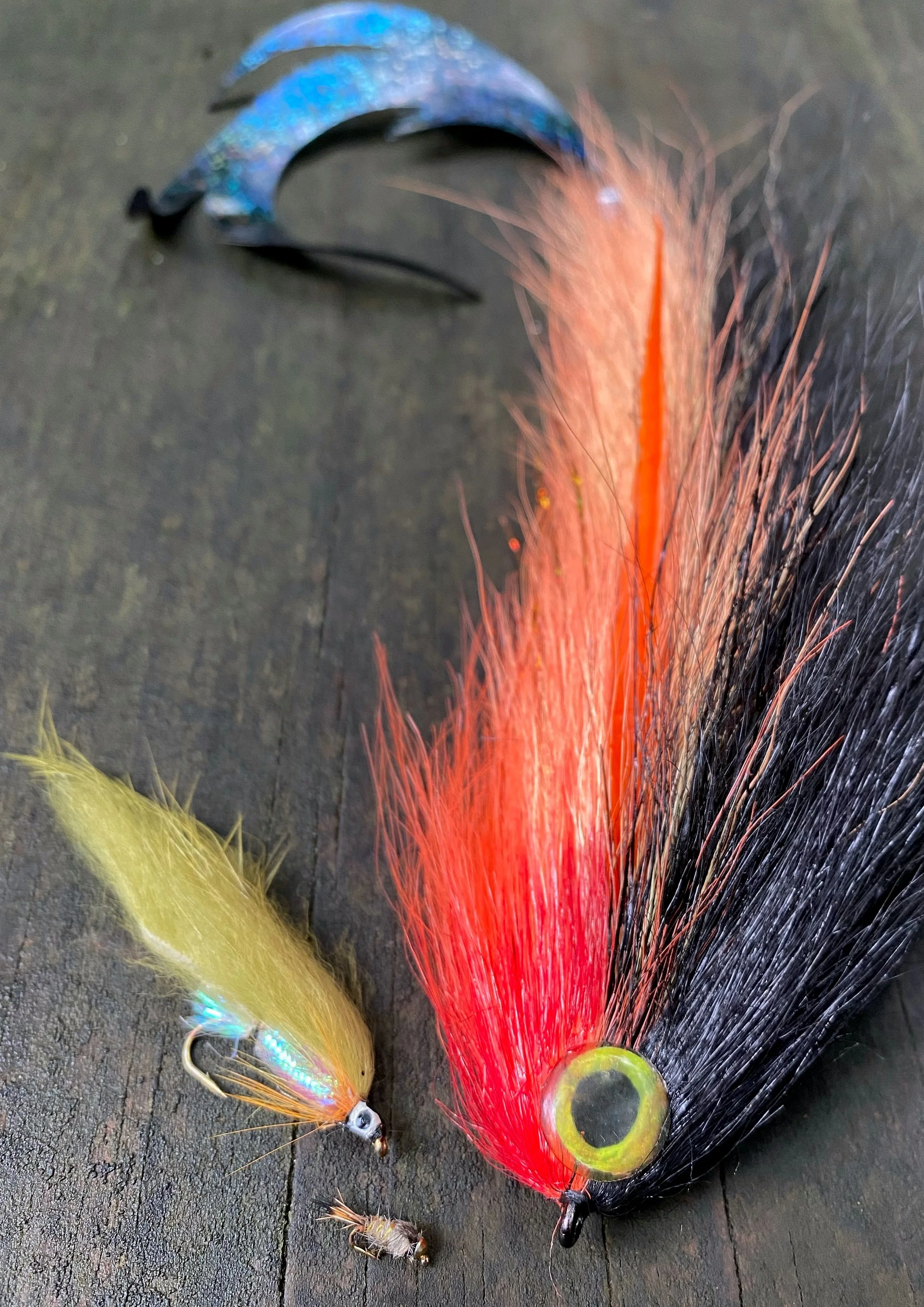
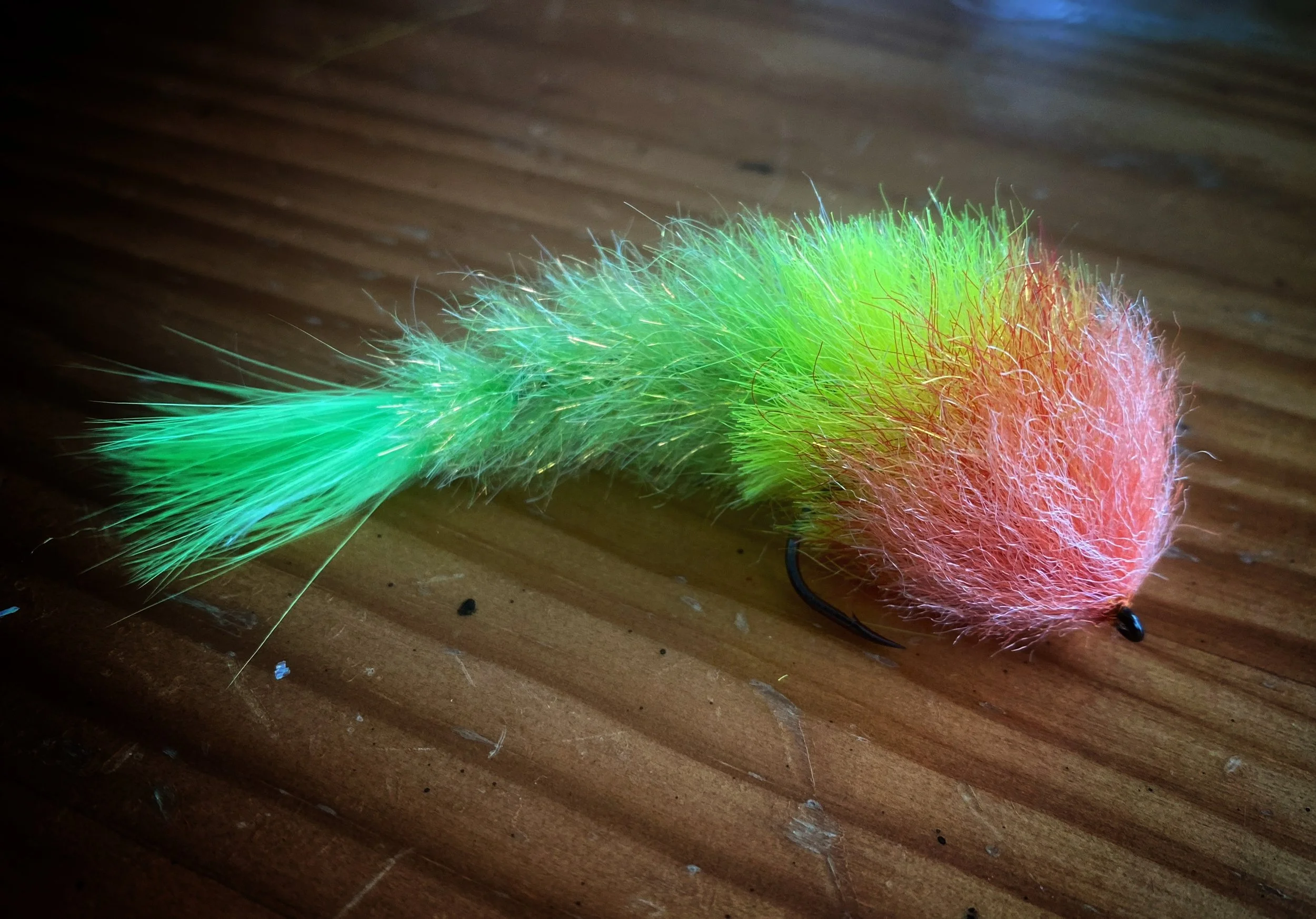
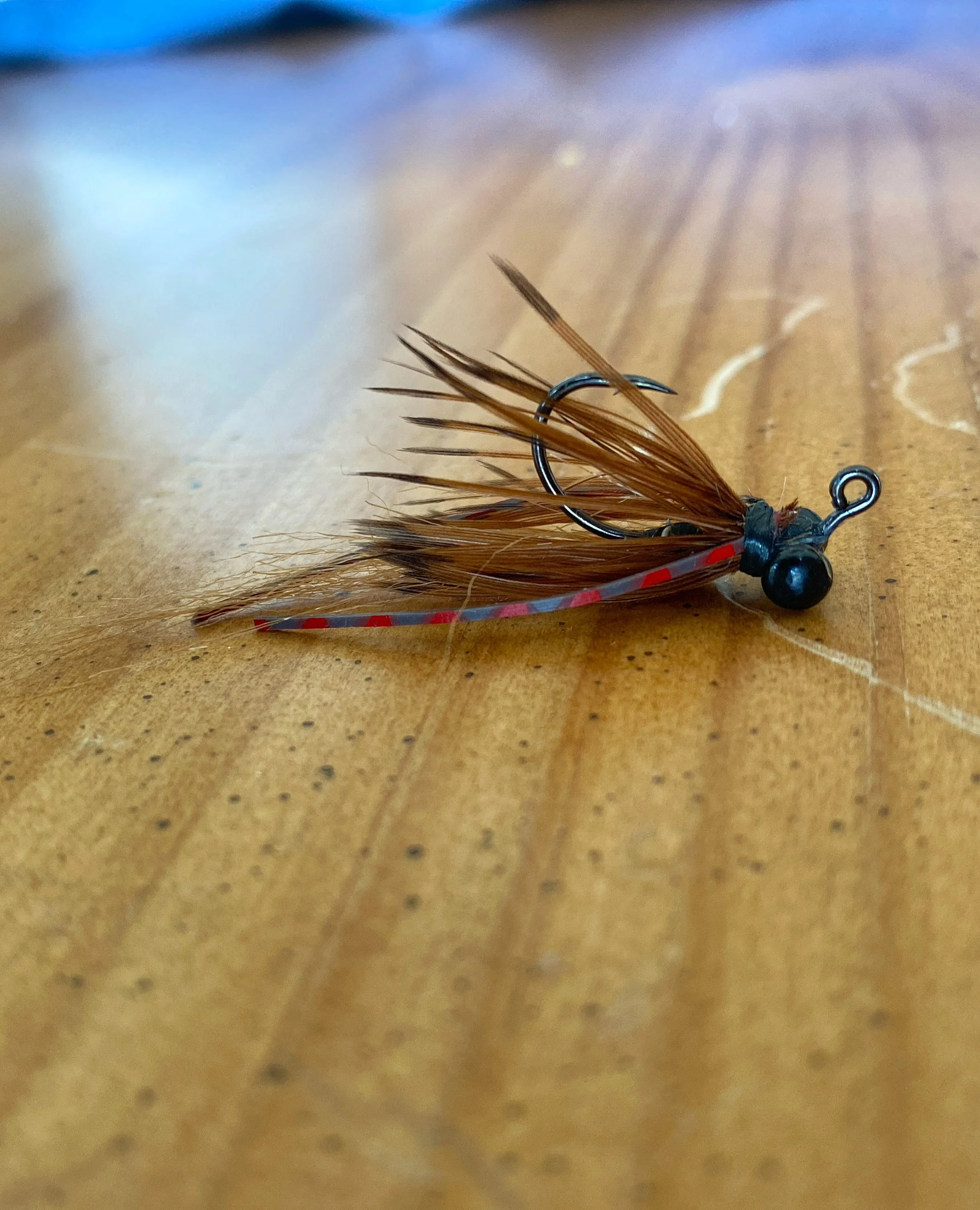
Simplicity is the Bou Craw’s greatest characteristic. Tied on a size 1 or 2 bent-shank hook, it uses marabou, rubber legs, a couple wraps of brush, and lead eyes to create a (rather ugly) pattern that takes on a fishy silhouette in the water. It pops along the bottom like the conventional angler’s ned rig, proving effective in just about any water conditions. The Bou Craw fishes best on a floating line with a long, fluorocarbon leader. Anglers should let is sink before swinging it slowly with small, intermittent strips of line to hop it on the bottom.

MADDIN’S CHROMATIC NUT
DARKES’ E-Z CRAW